 Stanley Loo Plastic SurgeonStanley Loo Plastic Surgeon
Abdominoplasty, commonly called a tummy tuck, is a plastic surgery procedure designed to remove excess skin and subcutaneous tissue from the abdomen and, where appropriate, tighten the underlying abdominal muscles.
People may consider abdominoplasty after pregnancy, significant weight loss or other changes that have left them with loose abdominal skin that does not improve despite maintaining a healthy lifestyle.
The procedure is not a substitute for weight loss, exercise or healthy nutrition. It is a body-contouring operation intended for carefully selected patients who have relatively stable weight and realistic expectations about what surgery can achieve.
At Auckland Plastic Surgery Group, Stanley Loo provides specialist plastic surgery assessment for patients considering abdominoplasty in Auckland. The first step is a detailed consultation to determine whether the procedure is appropriate for your individual anatomy, health and goals.
What Is Abdominoplasty?
Abdominoplasty removes selected excess skin and subcutaneous tissue from the abdominal area and may involve tightening the abdominal wall.
The amount and location of tissue removed depends on your anatomy and the type of abdominoplasty being considered. There is no single tummy tuck technique that is appropriate for every patient.
During your consultation, your abdominal skin, underlying tissues, previous surgical scars, weight stability and overall health will be assessed.
Abdominoplasty after pregnancy
Pregnancy can stretch the skin and abdominal tissues considerably. After pregnancy, some women are left with loose skin or changes in abdominal contour that do not respond to diet and exercise.
Abdominoplasty may be considered when these changes are persistent and the patient has completed, or is not planning, further pregnancies.
Abdominoplasty after major weight loss
Significant weight loss can produce excess skin around the abdomen. In selected patients, removal of this excess tissue can improve the abdominal contour.
It is generally preferable for weight to be reasonably stable before surgery. Significant weight fluctuations after abdominoplasty can affect the long-term result.
Who May Be Suitable for a Tummy Tuck?
Suitability is determined during an individual consultation.
The existing practice information identifies suitable patients as generally fit and healthy, with relatively stable weight and persistent excess abdominal skin despite a healthy lifestyle. Non-smoking or ex-smoking status is also an important consideration.
Factors considered during assessment include:
Overall health
Weight stability
Abdominal skin excess
Abdominal wall condition
Previous abdominal surgery
Smoking status
Future pregnancy plans
Expectations and desired outcome
A tummy tuck is not appropriate for everyone. If your primary concern is localised fat without significant excess skin, liposuction may be more appropriate. In some cases, procedures may be combined, depending on the individual treatment plan.
 Before abdominoplasty
 3 months after abdominoplasty
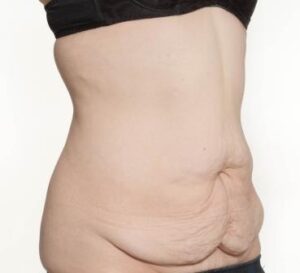 Before abdominoplasty
 3 months after abdominoplasty
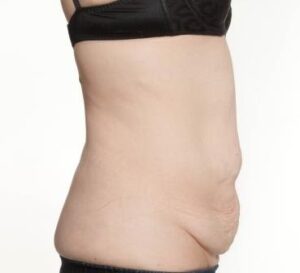 Before abdominoplasty
 3 months after abdominoplasty
Abdominoplasty is generally performed under general anaesthesia.
Stanley Loo’s current practice information states that abdominoplasty is performed at Kakariki Hospital in Greenlane or Ormiston Hospital in Botany, Auckland. The operation generally takes approximately three hours, although the exact duration varies according to the procedure performed.
During a full abdominoplasty, excess skin and subcutaneous tissue are removed and the underlying abdominal muscles may be tightened. The umbilicus may also be repositioned as part of a full abdominoplasty.
The exact surgical plan is discussed before the operation.
Abdominoplasty Scars
A tummy tuck requires an incision across the lower abdomen. The scar is positioned as low as practical and is intended to sit beneath typical underwear or swimwear.
Scars do not disappear completely. They normally change in colour, texture and visibility as they mature.
The existing practice information notes that the abdominal scar can continue to improve over approximately a year.
Scar appearance varies between individuals and is influenced by factors including genetics, skin characteristics, wound healing, smoking and postoperative care.
Recovery is an important part of tummy tuck surgery.
Patients should expect some swelling, tightness and discomfort during the early postoperative period. The current practice information indicates that patients generally stay one to two nights following abdominoplasty and may be advised to use a compression garment and sleep with support under the knees during the early recovery period.
Heavy exercise should be avoided during the early healing period. The exact timeframe for returning to exercise, work and other activities will depend on your operation and recovery.
Your postoperative instructions will be individualised.
Abdominoplasty and Liposuction
Abdominoplasty and liposuction address different problems.
Abdominoplasty primarily addresses excess skin and abdominal tissue and may tighten the abdominal wall.
Liposuction removes selected localised fat deposits to improve body contour.
Some patients may benefit from combining procedures, but this is determined only after individual assessment.
Read more about Liposuction in Auckland.
Risks and Considerations
All surgery has risks.
Potential complications can include bleeding, infection, wound-healing problems, fluid collections, changes in sensation, scarring, asymmetry, blood clots and the possibility of further surgery.
Your individual risk profile depends on your health, anatomy, smoking status, previous operations and the procedure performed.
A detailed consultation allows these risks and the expected benefits to be discussed before you make a decision.
Is a tummy tuck a weight-loss procedure?
No. Abdominoplasty is a body-contouring procedure, not a treatment for obesity. Maintaining a healthy lifestyle and reasonably stable weight is important before and after surgery.
Can a tummy tuck remove loose skin after pregnancy?
Abdominoplasty can remove selected excess abdominal skin in appropriate patients. Your suitability should be assessed individually.
Will a tummy tuck remove all abdominal fat?
No. The primary purpose of abdominoplasty is removal of excess skin and tissue and, where appropriate, abdominal wall tightening. Liposuction may be considered separately or in combination.
How long does abdominoplasty recovery take?
Recovery varies. Most patients need a period of reduced activity before gradually returning to normal exercise. Your surgeon will provide procedure-specific instructions.
Will I have a scar?
Yes. Abdominoplasty necessarily produces a scar. The incision is positioned low on the abdomen where possible, and scars generally mature gradually over time.
Can I have children after a tummy tuck?
Pregnancy after abdominoplasty is possible, but future pregnancy can change the abdominal tissues and affect the surgical result. Pregnancy plans should therefore be discussed during your consultation.
If you are considering a tummy tuck, the first step is an individual consultation with a specialist plastic surgeon.
Stanley Loo will assess your abdominal anatomy, health, previous surgery, expectations and treatment options before discussing whether abdominoplasty is appropriate.
Book a consultation at Auckland Plastic Surgery Group.
 Abdominoplasty before and after Auckland
 Abdominoplasty before and after Auckland
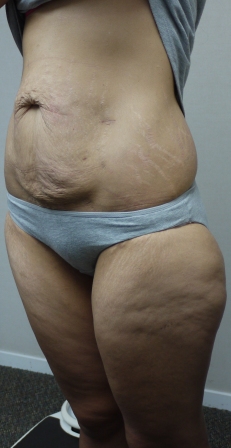 before Abdominoplasty abdominal contouring
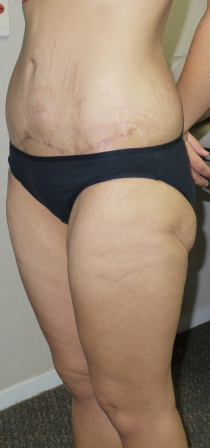 Tummy tuck surgery results Auckland
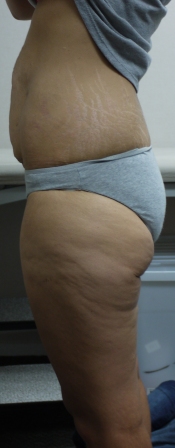 before Abdominoplasty abdominal contouring
 3 months after abdominoplasty + liposuction
 Before abdominoplasty
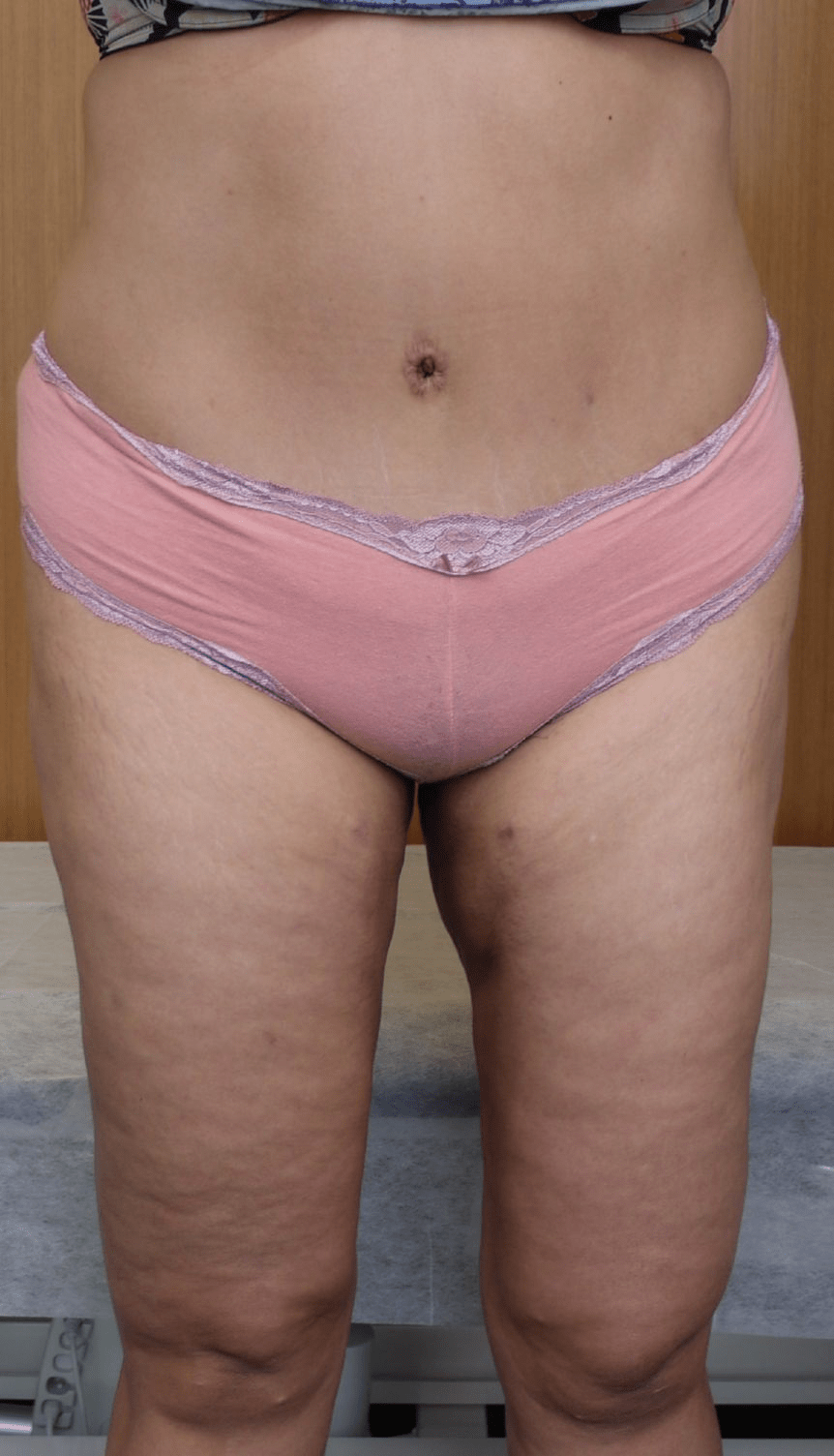 Stanley Loo abdominoplasty patient
 Abdominoplasty before and after Auckland
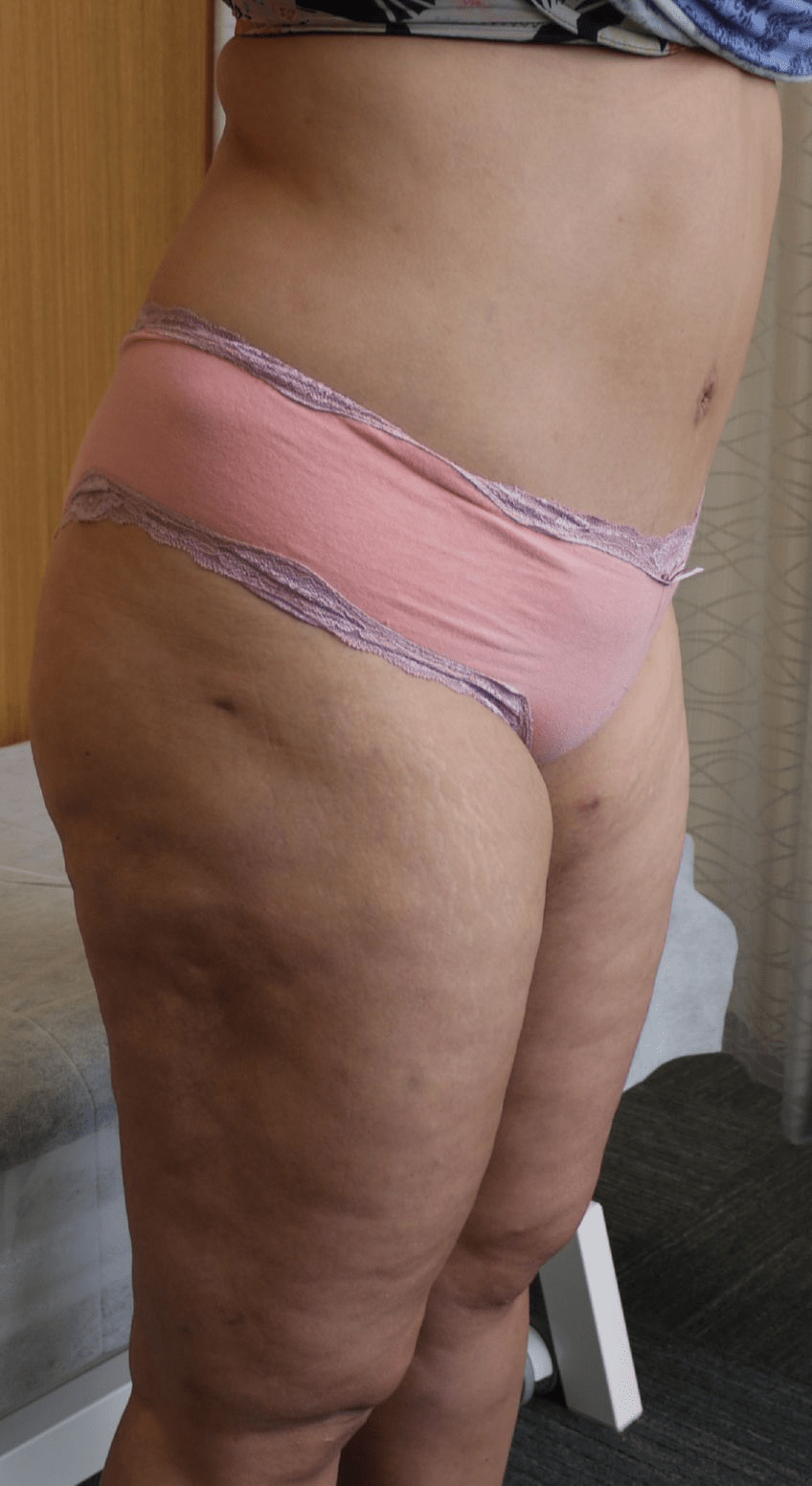 Stanley Loo abdominoplasty patient
 Abdominoplasty before and after Auckland
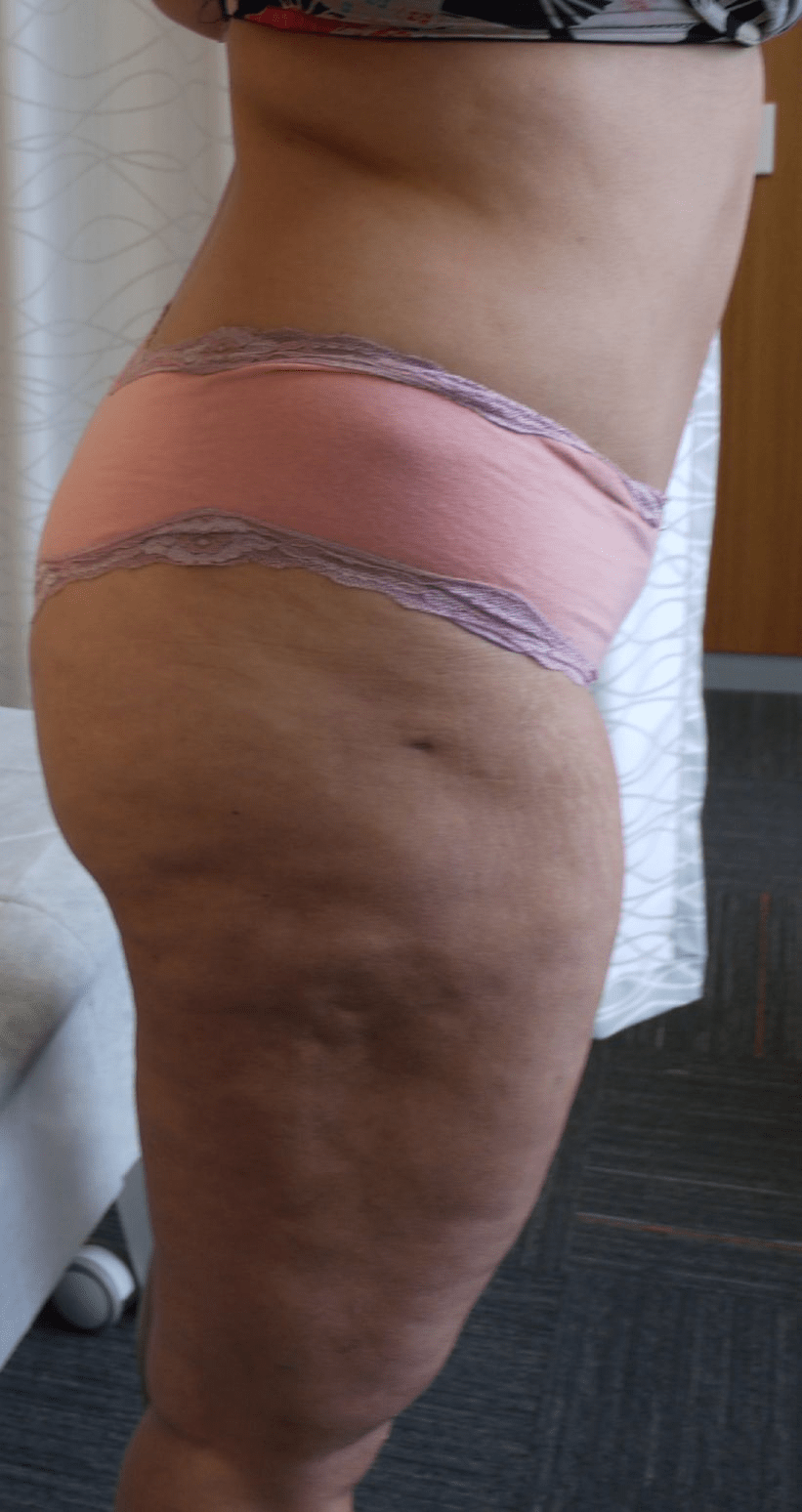 Stanley Loo abdominoplasty patient
 Before abdominoplasty
 3 months after abdominoplasty
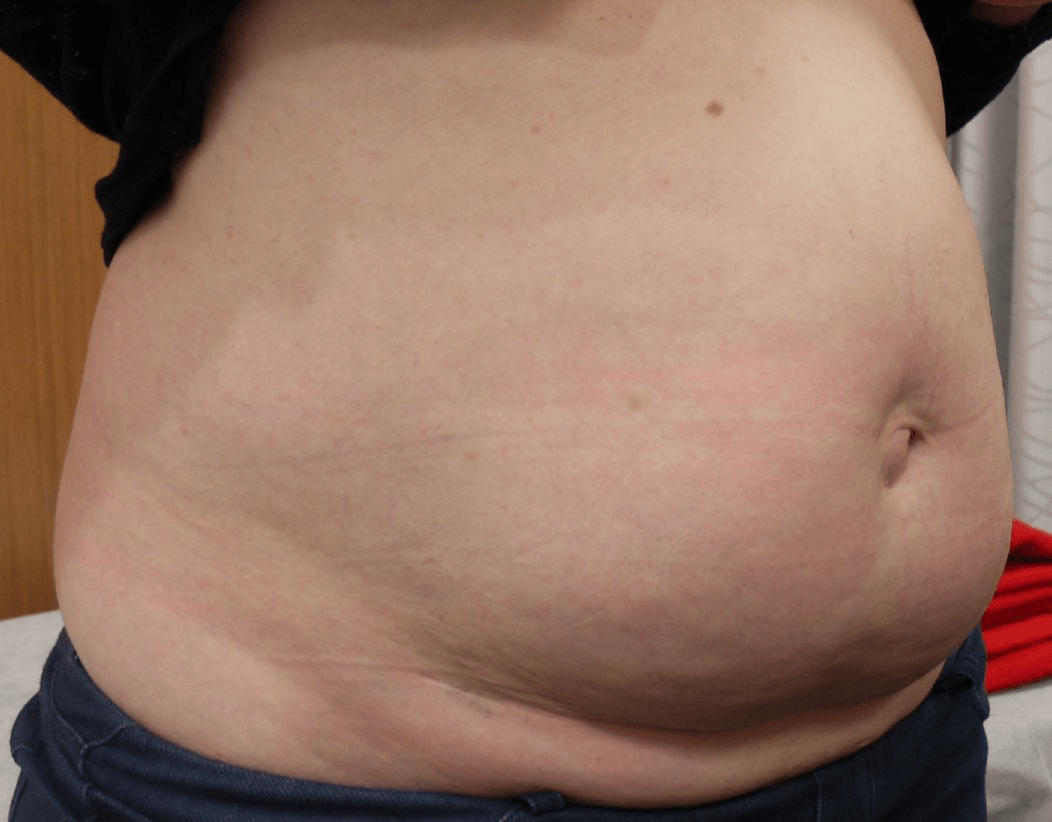 Before abdominoplasty
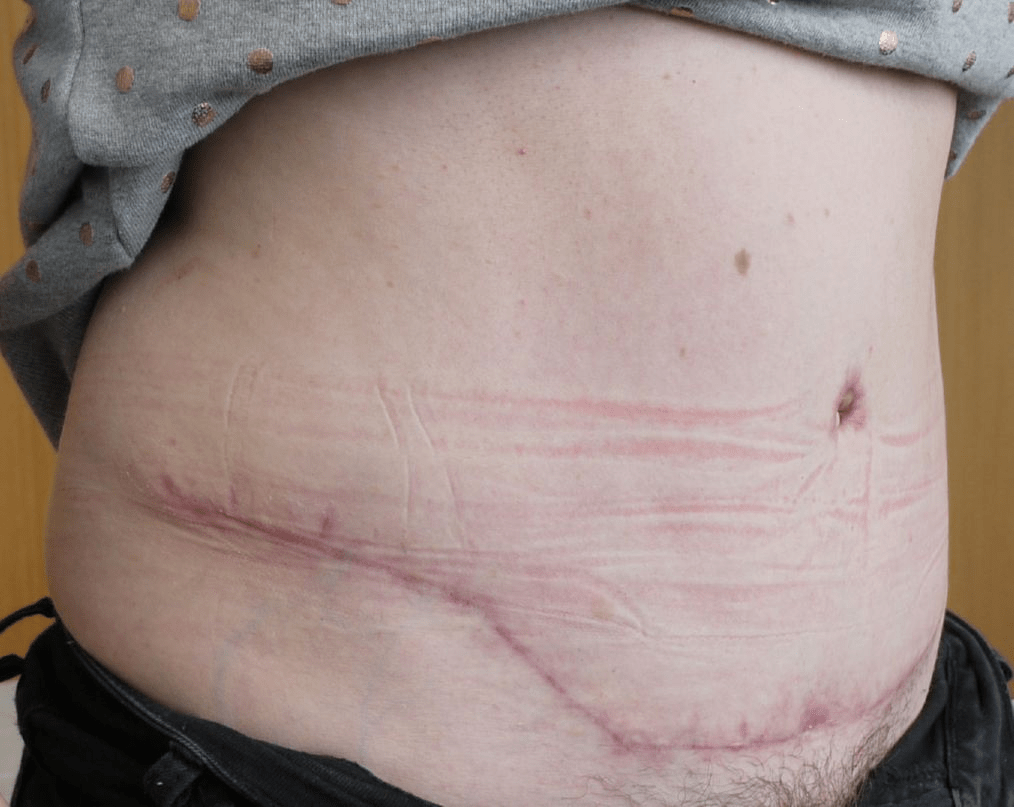 3 months after abdominoplasty
 Before abdominoplasty
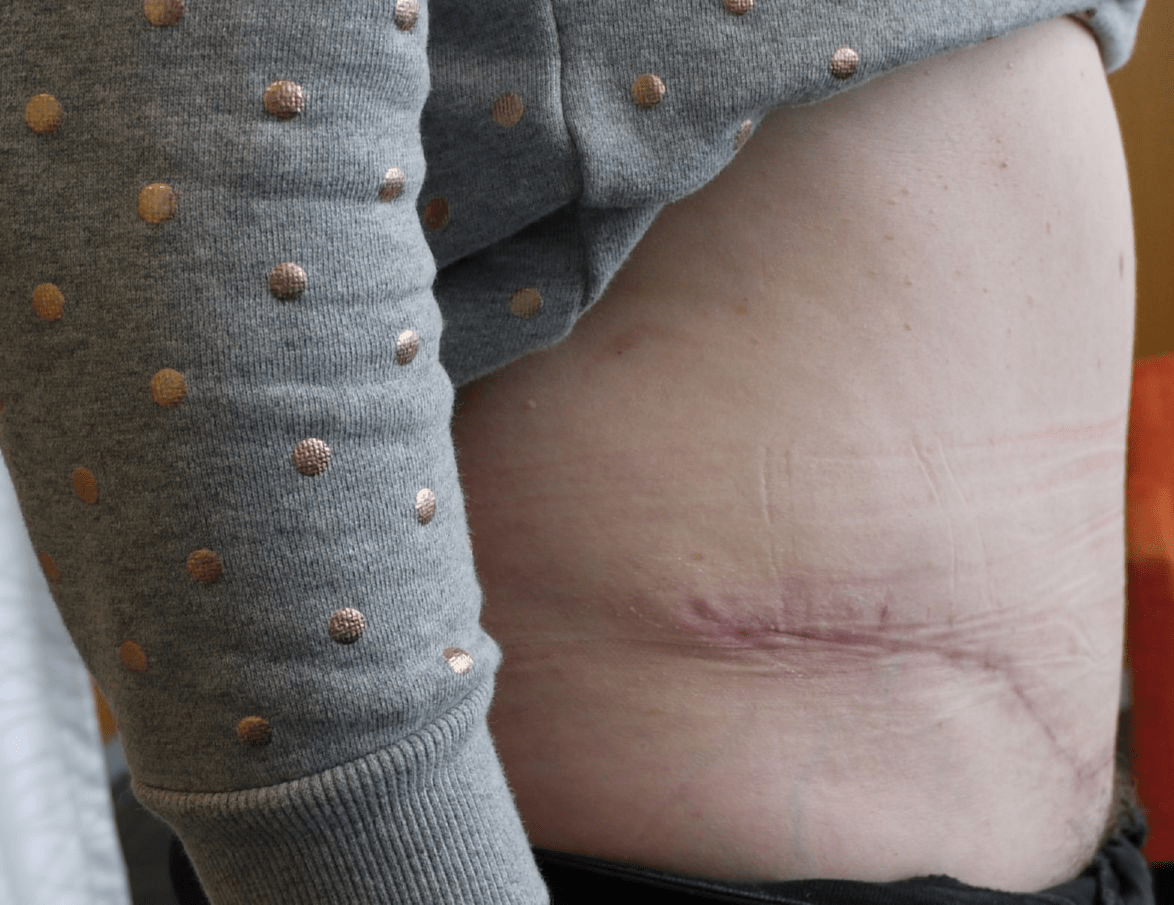 3 months after abdominoplasty