 Stanley Loo Plastic SurgeonStanley Loo Plastic Surgeon
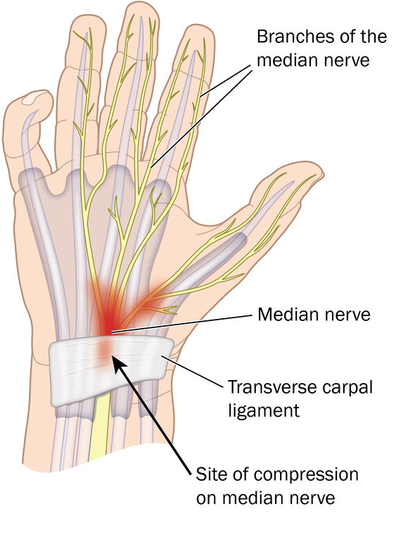
Carpal tunnel syndrome (CTS) is a condition where there is excessive pressure on one of the main nerves (median nerve) as it passes through the wrist to the hand. The median nerve supplies sensation and movement to parts of the hand and passes through a tunnel (carpal tunnel) in the wrist to reach the hand. Excessive pressure on this nerve can result in symptoms of numbness, tingling, weakness or muscle damage. Patients who suffer from this condition often report waking up at night with pain and requiring to “shake” their hand to relieve their symptoms. The cause of this condition is attributed to multiple factors but excessive repetitive movements can be associated with this condition.
Symptoms of Carpal Tunnel Syndrome
Common symptoms include:
Numbness
Tingling
Burning or aching
Hand weakness
Night-time symptoms
Difficulty with fine movements
Dropping objects
Some patients wake at night and find that shaking the hand temporarily relieves symptoms, a feature noted in the current practice information.
Diagnosis of this condition can be made clinically from an appropriate history and physical examination. Mr Loo will make a full assessment at his rooms (Auckland Plastic Surgery Group, Unit 6 / 31 Highbrook Drive, Highbrook, Auckland 2013 Ph (09) 220 2580. In the more difficult cases further investigations may be required in the form of electrophysiological tests.
Treatment of carpal tunnel syndrome can only be made after a full assessment so that the most appropriate treatment modality can be made for you.
Non-Surgical Treatment
Treatment depends on the severity and duration of symptoms.
Options may include:
Wrist splinting
Anti-inflammatory medication
Corticosteroid injection
Activity modification
Mr Loo will discuss all of these options with you pointing out the benefits and problems with each of the treatments so that an individualised treatment program can be made for you.
Carpal tunnel release involves opening the ligament forming the roof of the carpal tunnel to relieve pressure on the median nerve.
For those who require a surgical release of the carpal tunnel, Mr Loo can perform this as a day case under either a local anaesthetic or sedation at either Auckland Plastic Surgery Group, Unit 6 / 31 Highbrook Drive, Highbrook, Auckland 2013, Kakariki Hospital, Greenlane or Ormiston Hospital, Botany.
Recovery
Recovery varies according to the severity of nerve compression and the individual patient.
Pain and tenderness around the incision can occur during early healing.
Nerve symptoms may improve gradually rather than immediately, particularly when compression has been present for a long time.
If you would like to discuss this further an appointment can be made with Mr Loo at Auckland Plastic Surgery Group, Unit 6 / 31 Highbrook Drive, Highbrook, Auckland 2013 Ph (09) 220 2580
FAQs
What are the first signs of carpal tunnel syndrome?
Numbness and tingling in the hand, particularly at night, are common early symptoms.
Does carpal tunnel syndrome go away on its own?
Some mild cases may improve with conservative treatment, but persistent symptoms require assessment.
Is carpal tunnel surgery painful?
Discomfort is expected after surgery, but the procedure is generally performed as a day case.
How long does carpal tunnel surgery take?
The procedure itself is relatively short, although the total time at the facility includes preparation and recovery.
Can carpal tunnel syndrome cause permanent damage?
Persistent severe nerve compression can result in weakness or nerve damage, which is one reason appropriate assessment is important.
Blogs
A Carpal Tunnel Surgery Review for Patients