 Stanley Loo Plastic SurgeonStanley Loo Plastic Surgeon
Liposuction is a surgical body-contouring procedure used to remove selected deposits of excess fat.
It can improve the contour and proportion of particular areas of the body where localised fat persists despite a healthy lifestyle and reasonable fitness.
Liposuction is not a treatment for obesity and should not be considered a replacement for healthy eating, exercise or sustainable weight management.
Stanley Loo provides specialist plastic surgery assessment for patients considering liposuction in Auckland.
What Is Liposuction?
Liposuction, also called lipoplasty or liposculpture, uses specialised surgical techniques to remove fat from selected areas.
It is particularly useful when the concern is a localised area of fat rather than overall body weight.
The objective is to improve body contour while maintaining appropriate proportions.
Areas That May Be Treated
Depending on individual anatomy and suitability, liposuction can be used on areas including:
Thighs
Arms
Hips
Waist
Back
Inner knees
Chest
Neck
Chin
Cheeks
Calves
Ankles
The current practice information also notes that liposuction can sometimes be combined with procedures such as breast reduction or abdominoplasty.
Liposuction for the abdomen and waist
Liposuction may be useful for selected localised fat around the abdomen, hips and waist when skin quality is suitable.
However, significant loose skin may require a different approach, such as abdominoplasty.
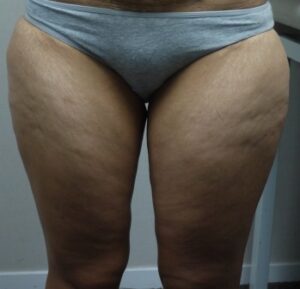
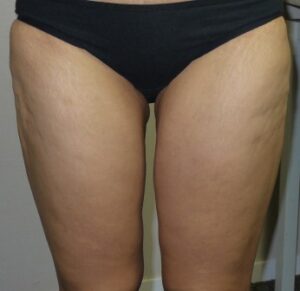
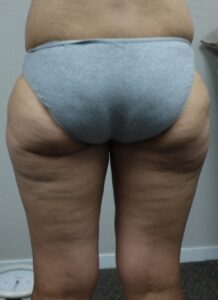
Liposuction of the thighs
Thigh contouring can target localised fat deposits affecting the outer or inner thigh.
The aim is contour improvement rather than simply removing as much fat as possible.
Liposuction does not:
Treat obesity
Replace exercise
Replace healthy nutrition
Guarantee a particular body shape
Prevent future weight gain
Remove all cellulite
Automatically correct significant loose skin
Understanding these limitations is an important part of deciding whether surgery is appropriate.
Liposuction Surgery
The procedure may be performed under general anaesthesia or, for selected smaller procedures, local anaesthesia with sedation.
Stanley Loo’s current practice information states that procedures may be performed at Auckland Plastic Surgery Group, Kakariki Hospital in Greenlane or Ormiston Hospital in Botany, depending on the procedure.
The precise technique and operating time depend on the treatment area and volume of fat being removed.
Good candidates generally have:
Localised fat deposits
Reasonably stable weight
Good general health
Realistic expectations
A willingness to follow postoperative instructions
Skin quality is also important. Removing fat does not necessarily tighten loose skin, so patients with significant skin laxity may require another procedure.
A consultation is essential before surgery.
The procedure may be performed under general anaesthesia or, for selected smaller procedures, local anaesthesia with sedation.
Stanley Loo’s current practice is that procedures are performed at Auckland Plastic Surgery Group, Kakariki Hospital in Greenlane or Ormiston Hospital in Botany, depending on the procedure.
The precise technique and operating time depend on the treatment area and volume of fat being removed.
