A surgical wound does not need constant attention to heal well. It needs the right conditions: a clean protected environment, adequate blood supply, sensible activity and prompt advice if something changes. Knowing how to support wound healing can make recovery feel more manageable, whether you have had a skin lesion removed, hand surgery, scar revision or a more extensive cosmetic or reconstructive procedure.
The instructions provided by your surgeon should always take priority. Wounds differ according to their location, the technique used, whether dissolvable stitches are present and how much tension the area experiences. A tummy tuck incision, for example, has different recovery demands from a small facial lesion excision or carpal tunnel release.
Follow your individual wound-care plan
Before leaving hospital or clinic, you should understand when to remove or change your dressing, whether you may shower, when sutures need removing and which activities to avoid. If any part of the plan is unclear, ask. It is far better to seek clarification than to improvise with a dressing or skin product.
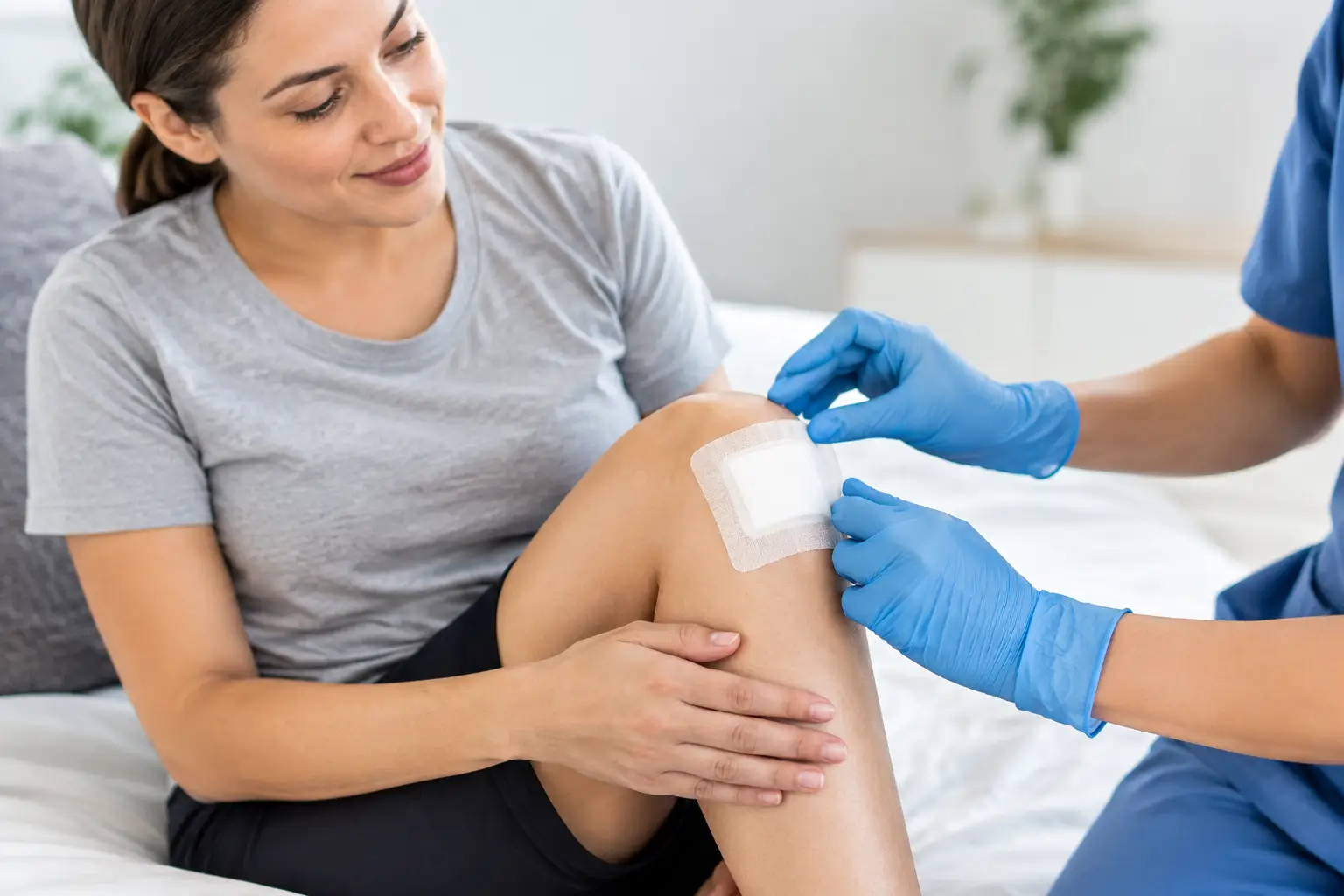
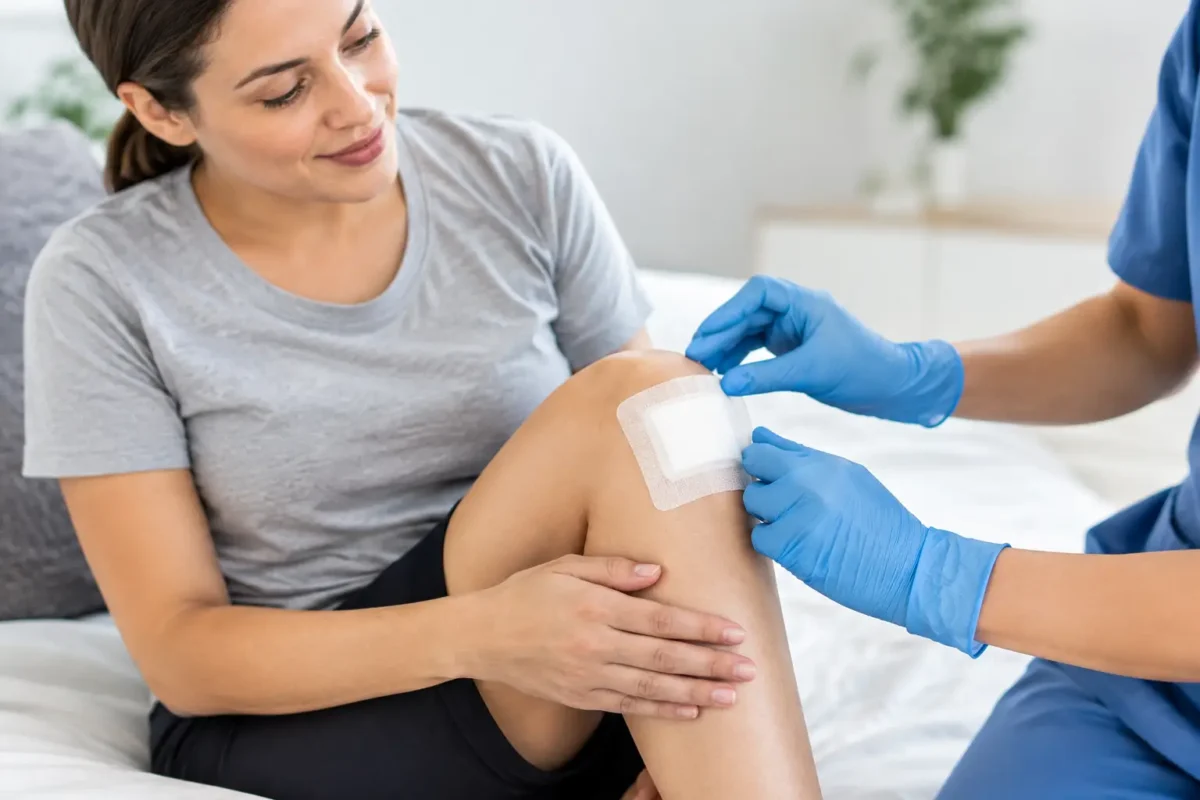
A dressing is not simply a covering. In the early stages, it protects the incision from friction, absorbs minor oozing and helps keep the wound environment stable. Leave it in place for the period advised unless it becomes wet, loose, heavily stained or contaminated. Wash and dry your hands thoroughly before touching the area or changing a dressing.
Do not apply antiseptic solutions, hydrogen peroxide, alcohol, herbal preparations or antibiotic creams unless they have been specifically recommended. These can irritate healing tissue, delay recovery or cause contact dermatitis that is easily mistaken for infection. Similarly, avoid picking at dried blood, adhesive residue, scabs or dissolving suture material.
Keep it clean without over-cleaning
Once you have been advised that showering is appropriate, allow clean water to run gently over the area rather than scrubbing it. Pat dry with a clean towel or gauze. Baths, swimming pools, spas and open-water swimming should generally wait until the wound is fully sealed and your surgical team has confirmed it is safe.
Some wounds may have surgical tape, skin glue, staples or drains. Each requires slightly different care. Do not pull at tape that is still firmly attached, and do not try to remove glue before it lifts naturally unless you have been given other instructions. If you have a drain, record the output exactly as requested and contact the team if it stops suddenly, leaks, becomes dislodged or changes significantly in appearance.
Support healing from the inside
Wound healing increases the body’s need for energy, protein, vitamins and fluids. This does not call for a restrictive diet, detox or dramatic supplement regime. It calls for regular, nourishing meals that your body can use while it repairs tissue.
Aim to include a source of protein at each meal, such as eggs, yoghurt, fish, chicken, lean meat, beans, lentils, tofu or cheese. Protein provides the building blocks for new tissue. A varied diet with fruit, vegetables, wholegrains and healthy fats also supplies nutrients involved in collagen formation and immune function.
Hydration matters, particularly after an operation when appetite may be reduced or pain relief can cause constipation. Drink regularly unless you have been advised to restrict fluids for another medical reason. If nausea makes eating difficult, smaller meals and bland protein-rich snacks are often more realistic than trying to manage large portions.
Vitamin and mineral supplements are not automatically necessary. In some circumstances, your surgeon or GP may recommend specific support, particularly if you have a known deficiency, poor appetite or a condition affecting absorption. More is not always better: high-dose supplements can interact with medicines and some may increase bruising or bleeding risk. Discuss them before surgery where possible.
Protect the wound from tension and trauma
A wound may look closed on the surface before the deeper tissues have regained strength. This is why activity restrictions are part of wound care, not an optional extra. Stretching, lifting, repetitive movement or an accidental knock can place tension on a healing incision and increase swelling, bleeding, wound separation or a wider scar.
The right level of movement depends on your procedure. Gentle walking is usually encouraged after many operations because it supports circulation and reduces stiffness. However, strenuous exercise, heavy lifting and activities that pull on the operated area often need to wait. After breast, abdominal or arm surgery, this may include household tasks that feel minor but involve reaching, pushing or carrying. After hand surgery, following guidance on elevation and prescribed exercises is particularly important.
Compression garments, supportive bras, splints and elevation can all have a useful role when recommended. They are procedure-specific, so wear them for the duration and in the manner advised rather than borrowing guidance from someone else’s recovery experience.
Avoid nicotine in every form
Smoking, vaping and nicotine replacement products can reduce blood flow to healing tissue. This raises the risk of delayed healing, infection, wound breakdown and poorer scarring. The concern is not limited to cigarettes: nicotine itself constricts blood vessels.
Stopping well before surgery and remaining nicotine-free throughout recovery gives the wound a better chance to heal normally. If stopping feels difficult, speak to your GP or surgical team early. Support is available, and this is a meaningful part of reducing surgical risk.
Manage pain, swelling and medication carefully
Pain relief can help you move, sleep and breathe comfortably, all of which support recovery. Take prescribed medication as directed and avoid exceeding recommended doses of over-the-counter medicines. If you have been prescribed antibiotics, take the full course unless your clinician tells you to stop or you develop a concerning reaction.
Swelling and bruising are common after many procedures. They often peak during the first few days and improve gradually rather than disappearing overnight. Resting with the area elevated, where advised, and using cold packs only as instructed may improve comfort. Never place ice directly on the skin or numb tissue, as this can cause injury.
Constipation is also common after surgery, especially with stronger pain relief and reduced activity. Drinking fluids, eating fibre-rich foods and using any recommended laxative can help. Contact your clinician if you develop persistent vomiting, severe abdominal pain or cannot keep fluids down.
Know what is normal and what needs advice
Mild tenderness, local swelling, bruising, itching and a small amount of blood-stained fluid can be normal in the early period. Healing is rarely perfectly linear. A wound may feel tight, lumpy or numb as swelling settles and nerves recover.
Contact your surgical team promptly if you notice increasing redness spreading away from the wound, worsening pain after it had been improving, heat, cloudy or foul-smelling discharge, persistent bleeding, a widening gap in the incision or a fever. A new rash, blistering or marked itch beneath tape or a dressing may indicate irritation or an allergy rather than infection, but it still deserves assessment.
Seek urgent medical care for heavy bleeding that does not stop with firm pressure, sudden significant swelling, chest pain, shortness of breath, fainting, or signs of a severe allergic reaction such as facial swelling or difficulty breathing. It is always appropriate to ask for advice if you are worried. Early review can prevent a small concern becoming a more difficult problem.
Think ahead to scar care
Scar management begins with protecting the healing incision, not with applying products immediately. Do not start massage, silicone gel or silicone sheets until the wound is fully closed, dry and your surgeon has advised that it is appropriate. Used at the right stage, silicone and gentle massage may help improve scar comfort and appearance for some patients.
Sun protection is equally worthwhile. Fresh scars can darken or become more noticeable with ultraviolet exposure. Once healed, keep the scar covered or use a high-factor broad-spectrum sunscreen as advised, especially during the first year. Scars continue to mature for many months, so patience is part of realistic recovery.
A good recovery is not about doing everything at once. It is about following the plan designed for your operation, giving your body enough rest and nutrition, and speaking up early when something does not feel right. Your surgeon and care team are there to support you well beyond the day of surgery.