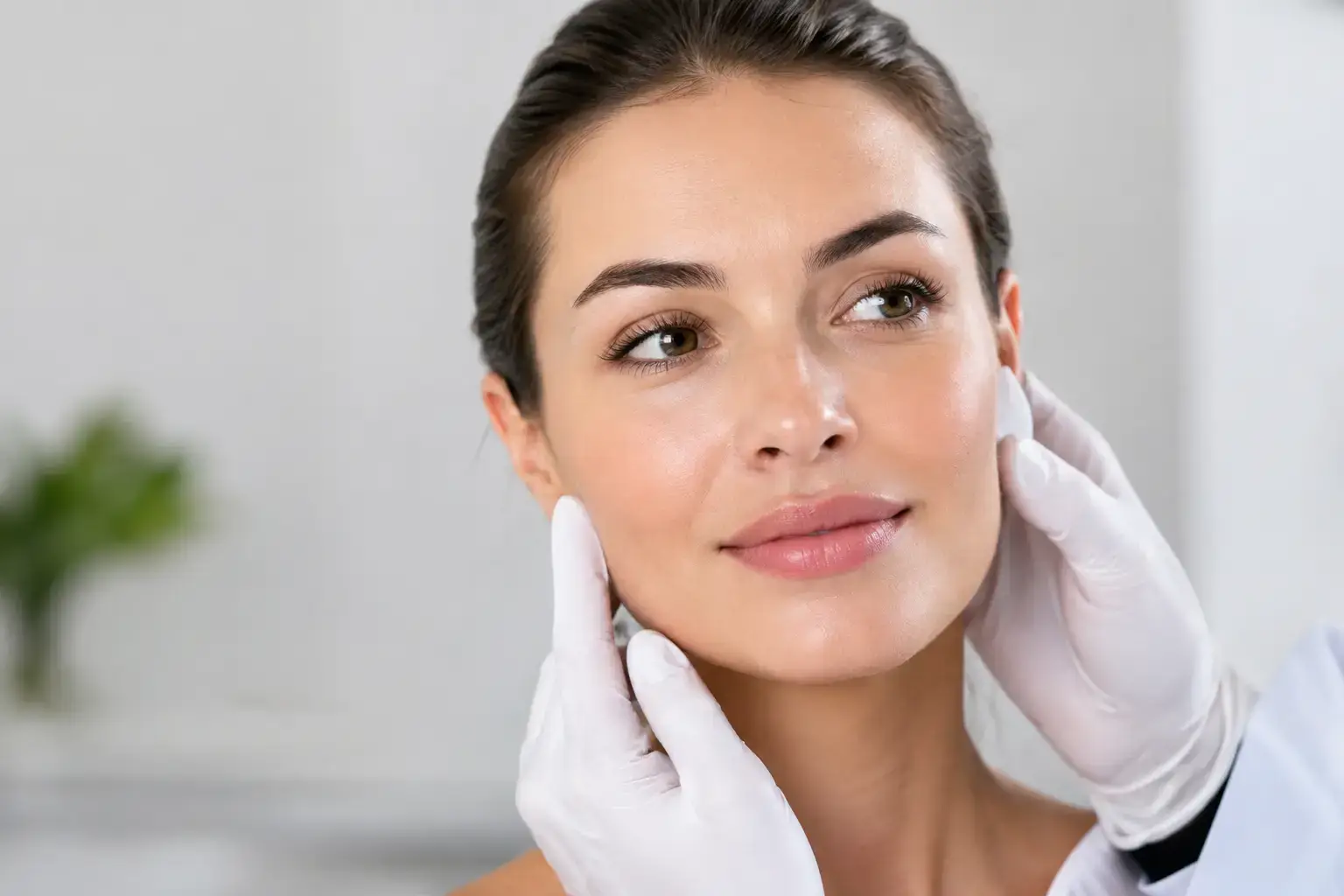
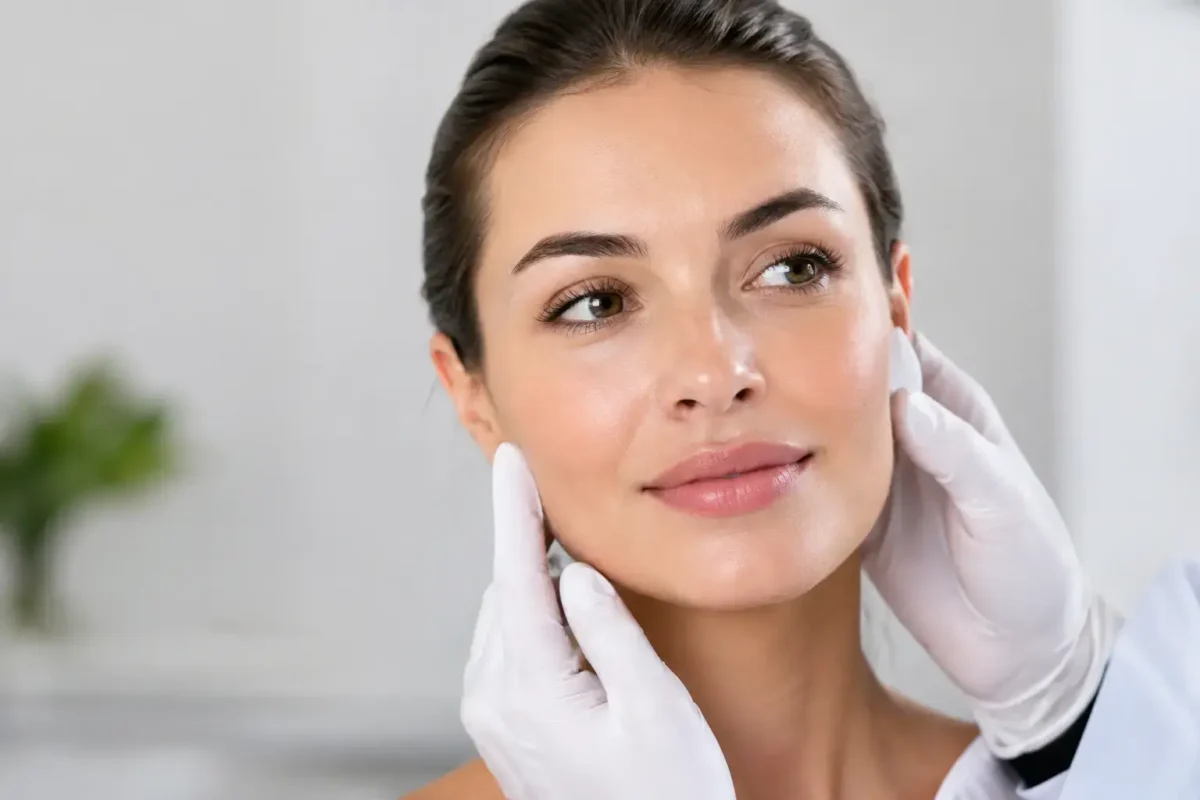
A successful operation is not always the one that attracts attention. For many patients, natural looking surgical results mean friends notice that they look rested, comfortable or more in proportion, without being able to identify exactly why. In reconstructive and functional surgery, it may mean a scar that settles well, a restored contour after lesion removal, or a hand that moves more freely while still looking like their own.
That outcome is rarely created by a single technique or an impressive before-and-after photograph. It begins with a careful understanding of the individual patient, continues through precise surgical planning, and depends on time, healing and attentive aftercare. The goal is not to create a standardised result. It is to make a considered improvement that respects the features, tissues and priorities of the person having surgery.
Natural Looking Surgical Results Start With Proportion
Natural appearance is closely tied to proportion. The face, breasts, abdomen and limbs do not exist as isolated areas, so surgery should be planned in the context of the surrounding anatomy. A subtle change to an eyelid, for example, needs to account for brow position, skin quality, eye shape and facial balance. In rhinoplasty, the nose should suit the face rather than follow a fashionable template.
The same principle applies beyond facial surgery. With breast augmentation, a natural result may involve selecting an implant size and shape that work with the existing breast tissue, chest width and skin envelope. For breast reduction, the focus is often on achieving relief from physical symptoms while retaining a breast shape that is balanced and appropriate to the patient’s frame. After abdominoplasty or liposuction, a smooth contour and well-placed scar are usually more convincing than an aggressive attempt to remove every trace of fullness.
Natural does not necessarily mean minimal. Some patients need a more substantial change to address functional concerns, significant asymmetry, excess skin or the effects of weight change. The appropriate degree of correction depends on the starting point, the safety of the procedure and what can be achieved predictably.
A Clear Consultation Prevents the Wrong Kind of Result
The most valuable part of surgical planning often happens before an operation is booked. A specialist consultation allows the surgeon to assess anatomy, medical history, skin quality, previous surgery, medications, smoking or vaping, and the practical support available during recovery. It also provides time to discuss what the patient sees as the problem and what they hope will be different afterwards.
Photographs can be useful for communicating preferences, but they should be used thoughtfully. They show a result on somebody else, with different bone structure, soft tissue, age, lighting and sometimes styling. A surgeon can explain which elements of an image may be achievable and which do not translate safely or naturally to an individual patient.
Good planning also includes discussing limitations. No procedure can guarantee symmetry, stop ageing or make tissue behave in exactly the same way as an edited image. Scars are an unavoidable part of many operations, although their position and quality can be managed carefully. Being open about these realities is not pessimistic. It allows patients to make a properly informed decision and reduces the risk of pursuing treatment that cannot meet their expectations.
The Meaning of “Natural” Is Personal
Patients use the word natural in different ways. One person may wish to retain distinctive features while appearing less tired. Another may want an enlarged breast size that still feels in keeping with their body. A patient seeking scar revision may be most concerned about comfort, tightness or itchiness rather than making the scar disappear.
For people considering Asian blepharoplasty, natural looking results require particular sensitivity to individual eyelid anatomy and cultural preferences. There is no single desirable crease height or shape. The discussion should centre on the patient’s own features, desired appearance and safe eyelid function.
This is why a consultation should not feel rushed. The best plan is not necessarily the most extensive procedure. Sometimes a smaller operation, staged approach or no surgery at all is the soundest recommendation.
Technical Judgement Matters as Much as the Procedure
Surgical skill is not simply about carrying out a set sequence of steps. It involves making careful decisions during the operation in response to the patient’s tissues and anatomy. Preserving blood supply, avoiding unnecessary tension on a wound and placing incisions strategically all influence how a result heals and settles.
In facial procedures such as facelift surgery, blepharoplasty and rhinoplasty, overcorrection can look unnatural and may affect function. Removing too much upper eyelid skin, for example, can leave the eye looking hollow or make closure difficult. In body contouring, removing too much fat in one area can create irregularities or make the surrounding areas appear disproportionate. Conservative judgement is often an advantage, particularly when tissue quality is limited.
Reconstructive surgery brings its own considerations. Following skin cancer or lesion excision, the priority is complete and appropriate treatment of the lesion, while planning the closure to preserve appearance and function wherever possible. On the hand, protecting movement, sensation and tendon function takes precedence, even when an incision is designed to be as discreet as practical.
Healing Is Part of the Result
An early post-operative appearance is not the final outcome. Swelling, bruising, firmness, numbness and unevenness can be normal at different points in recovery. Depending on the procedure, tissues may take weeks or several months to soften and settle. Scars commonly remain pink or raised initially before gradually maturing over a longer period.
This can be challenging when patients are eager to assess their result. A well-managed recovery involves following individual instructions on wound care, garments, activity restrictions, scar care and follow-up appointments. Avoiding nicotine is especially important, as smoking and vaping can impair circulation and wound healing.
Recovery advice should be specific rather than generic. Returning to work after carpal tunnel release is different from recovering after abdominoplasty, and facial swelling after rhinoplasty follows a different course from breast surgery. Clear guidance helps patients plan realistically and recognise when to contact the surgical team.
Safety Supports a Better Aesthetic Outcome
A natural appearance should never be pursued at the expense of safety. Every operation carries risks, including bleeding, infection, delayed wound healing, changes in sensation, asymmetry, scarring and the possibility of further treatment. The nature and likelihood of these risks vary according to the procedure, the patient’s health and the complexity of the surgery.
Choosing a properly qualified specialist, having a thorough assessment and allowing adequate recovery time are practical safeguards. So is being honest about medical conditions, medications and lifestyle factors. A responsible surgeon may advise against a requested procedure, recommend waiting until weight is stable, or suggest a less extensive option. This is part of patient-centred care, not a barrier to it.
Questions Worth Asking at Your Consultation
Patients should feel comfortable asking how a proposed procedure is tailored to their anatomy, what changes are realistic, where scars are likely to be placed and how long recovery may take. It is also sensible to ask about the expected follow-up schedule, warning signs after surgery and what options exist if healing does not progress as hoped.
These conversations reveal more than technical information. They help establish whether the surgeon understands your priorities and whether the plan feels measured, transparent and appropriate for you.
Choosing Results That Will Still Feel Right Later
Trends change quickly. Your anatomy, lifestyle and sense of self deserve more lasting consideration. A result that feels natural usually reflects thoughtful planning rather than a dramatic response to a passing image or pressure from others.
The right procedure is one that has a clear purpose, acceptable trade-offs and a recovery plan you can realistically follow. With a careful consultation and specialist-led care, the aim is not to make you look like somebody else. It is to help you feel more comfortable in your own appearance and function, with results that continue to make sense once the early swelling has passed.