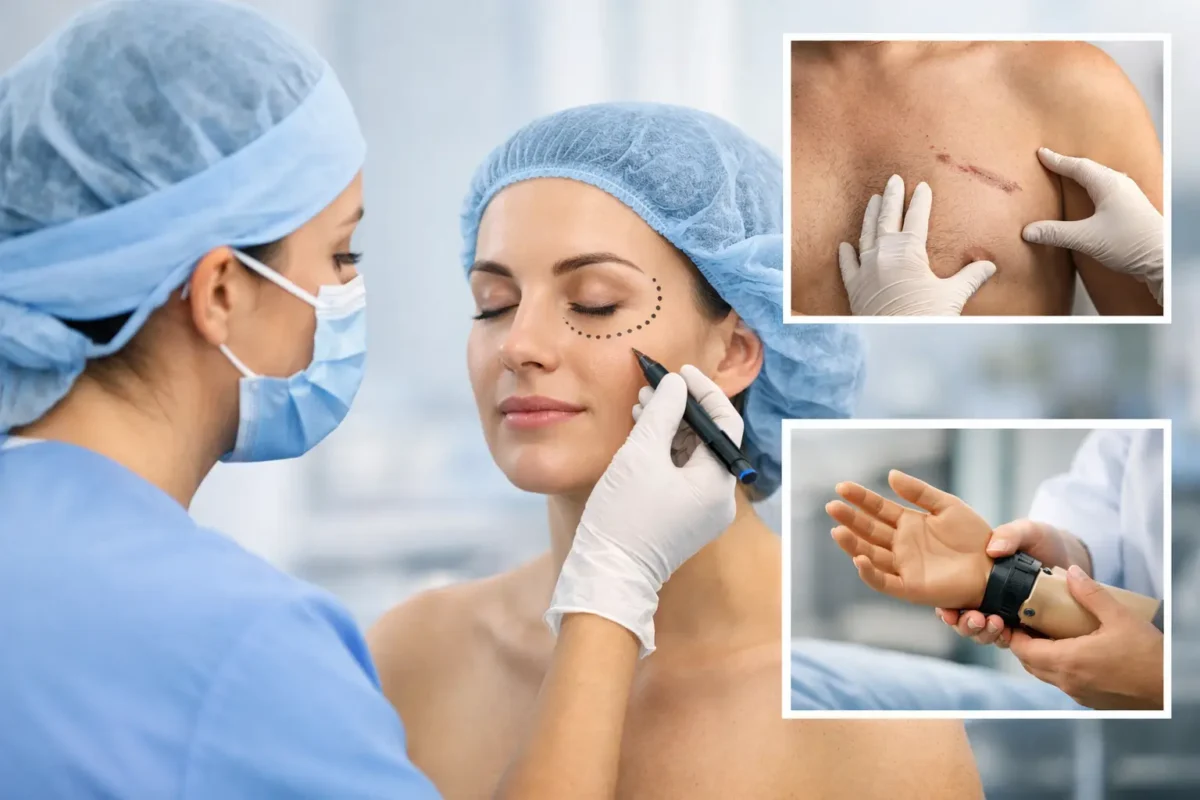
A diagnosis, an injury, or a long-standing functional problem can change how a part of the body looks, feels, or works. That is where the types of reconstructive plastic surgery become especially relevant. Reconstructive surgery is not simply about appearance. In many cases, it is about restoring function, improving comfort, and helping patients feel more at ease in everyday life.
For many people, the term plastic surgery is associated with cosmetic procedures. Reconstructive plastic surgery is different in purpose, even though it uses many of the same surgical principles. It focuses on repairing defects caused by skin cancer, trauma, previous surgery, congenital differences, scarring, or conditions affecting the hands and other areas of the body. The right operation depends on the underlying problem, the quality of the surrounding tissue, the patient’s general health, and the result that is realistically achievable.
What reconstructive plastic surgery aims to do
Reconstructive surgery is guided by function first, with appearance still taken seriously. A well-planned procedure aims to remove disease where necessary, preserve healthy tissue, restore movement or structural support, and achieve the best possible cosmetic outcome within those limits.
This often means there is no single best option for every patient. A smaller procedure with a shorter recovery may be appropriate for one person, while another may benefit from a more involved reconstruction to improve contour, durability, or long-term function. A careful consultation matters because the trade-offs are not always obvious at first glance.
Common types of reconstructive plastic surgery
The broad field of reconstructive surgery includes several areas. Some are carried out after removal of disease, some after injury, and some to improve daily function where anatomy has become tight, painful, or limiting.
Skin cancer and lesion excision reconstruction
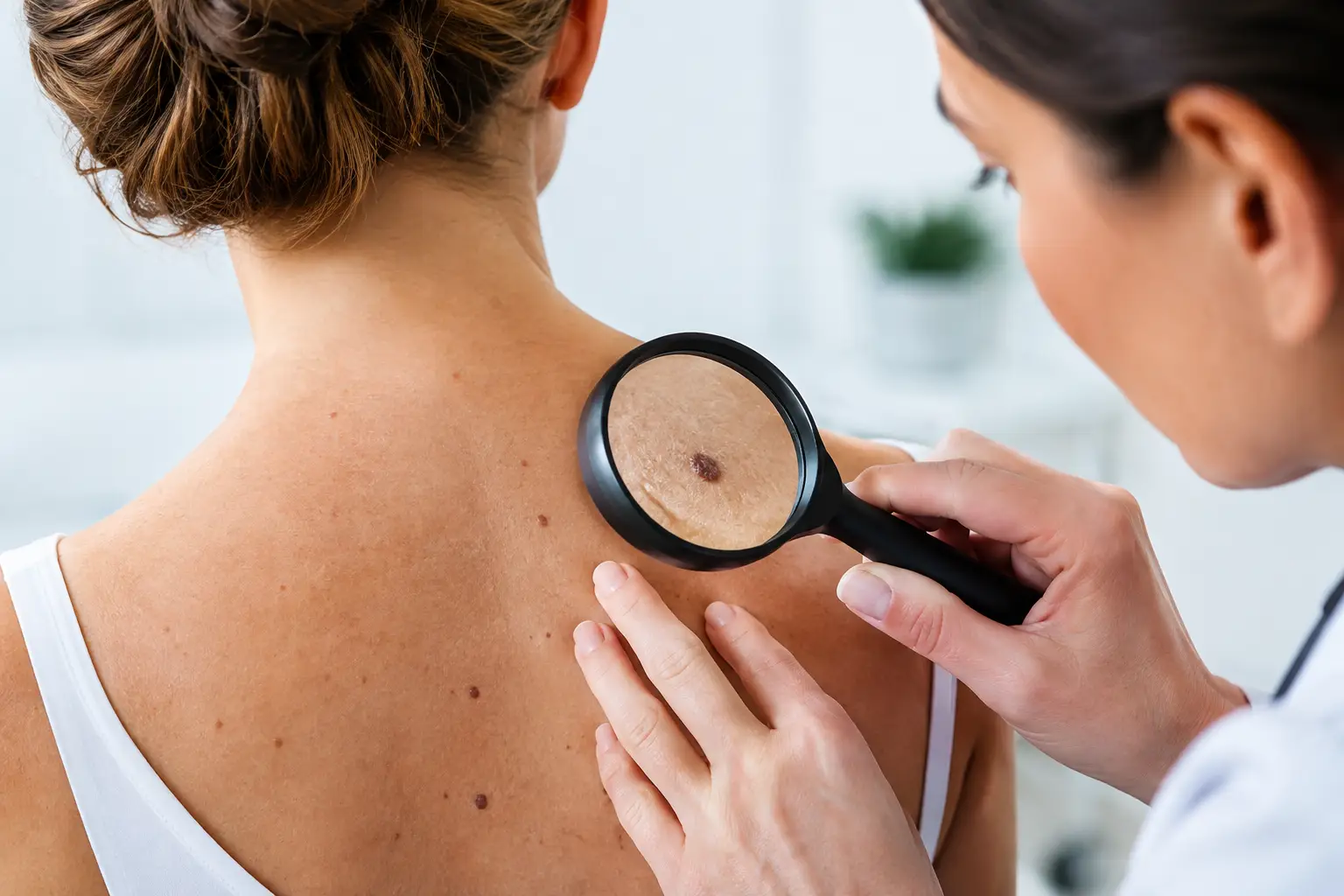
One of the most common types of reconstructive plastic surgery involves repairing a wound after skin cancer removal or excision of a concerning lesion. This is particularly important on the face, ears, scalp, nose, eyelids, and lips, where both appearance and function are closely linked.
Sometimes a wound can be closed directly with careful suturing. In other cases, direct closure would distort nearby structures or place too much tension on the skin. A local flap may then be used, moving adjacent tissue into the defect while preserving its blood supply. In selected cases, a skin graft may be more suitable.
The choice depends on the size and depth of the defect, the body site, the skin quality, and the need to maintain natural landmarks. Reconstruction after skin cancer surgery is often about subtle planning rather than dramatic change. The aim is to remove the lesion safely and repair the area in a way that heals well and respects normal facial balance.
Scar revision
Not all scars need treatment, but some become raised, widened, tight, uncomfortable, or especially noticeable because of their position. Scar revision is another important category of reconstructive surgery. It can help improve contour, reduce tension, release tightness, and make a scar less conspicuous.
It is worth being realistic here. Scar revision does not erase a scar. It aims to improve it. That may involve excising and re-closing the scar with better alignment, altering its direction to sit more naturally within skin lines, or combining surgery with other treatments depending on the scar type.
The timing also matters. Some scars continue to mature for many months, and operating too early is not always helpful. In other cases, if a scar is restricting movement or causing significant distress, earlier intervention may be reasonable.
Hand surgery for function and comfort
Hand procedures sit firmly within reconstructive practice because they deal with function in a very direct way. When a hand problem affects grip, dexterity, comfort, or sleep, surgery may be considered to restore more normal use.
Carpal tunnel release is a good example. When the median nerve is compressed at the wrist, patients may experience numbness, tingling, weakness, or night pain. Releasing the tight ligament can reduce pressure on the nerve and help preserve hand function, particularly when symptoms are persistent or progressing.
Trigger finger release is another common reconstructive hand procedure. A finger or thumb may catch, lock, or click because the tendon cannot glide smoothly through its sheath. A small operation can relieve that obstruction and improve movement.
Although these operations are often relatively straightforward, they still require careful assessment. Symptoms can overlap with arthritis, tendon problems, or nerve issues elsewhere. Good outcomes depend on getting the diagnosis right and matching the procedure to the patient’s needs.
Breast reconstruction and breast restoration procedures
Breast reconstruction can be performed after mastectomy, after breast-conserving cancer treatment, or in situations where previous surgery has left asymmetry or contour problems. This is one of the better-known types of reconstructive plastic surgery, but it is also one of the most individual.
Some patients prefer implant-based reconstruction, while others may be more suited to using their own tissue. The best approach depends on cancer treatment history, body shape, skin quality, scarring, planned radiotherapy, general health, and personal priorities. Some women want the shortest possible recovery. Others prioritise a more natural feel or avoiding implants.
There are also reconstructive breast procedures that do not follow cancer surgery. Breast reduction, for example, can be reconstructive when heavy breasts cause neck pain, shoulder grooving, skin irritation, and limitations with exercise or clothing. In that setting, the surgery is designed to relieve symptoms as well as improve proportion.
Reconstruction after trauma or previous surgery
Injuries and prior operations can leave contour irregularities, tissue loss, asymmetry, or scars that affect movement and appearance. Reconstructive surgery may involve revising a wound, replacing missing tissue, improving symmetry, or correcting a problem that developed after an earlier procedure.
This area is particularly nuanced because the tissues may already be scarred or poorly vascularised. That can limit the available options and influence healing. In some cases, staged surgery is safer and gives a better result than attempting to solve everything in one operation.
How surgeons choose between different reconstructive options
When patients look into the types of reconstructive plastic surgery, they often expect a procedure name to provide the answer. In reality, the planning process is usually more important than the label.
A surgeon will assess what needs to be restored – skin cover, contour, movement, support, sensation, or a combination of these. The condition of the surrounding tissue matters greatly. Healthy, flexible tissue offers more reconstructive choices than skin that has been irradiated, heavily scarred, or damaged by previous trauma.
Recovery is another part of the decision. A more extensive reconstruction may produce a stronger or more refined result, but it may also involve longer healing, more scars, and greater short-term inconvenience. For some patients, that trade-off is worthwhile. For others, a simpler operation is the better fit.
What to expect from consultation to recovery
Good reconstructive care starts with clear explanation. Patients should understand the diagnosis, the reason surgery is being considered, the alternatives if there are any, and the likely benefits and limitations of treatment.
Photographs, diagrams, and plain-language discussion can help make this process less overwhelming. It is also important to talk honestly about scars, dressing care, time off work, activity restrictions, and the possibility that healing may take longer than expected. Even well-planned surgery can involve swelling, temporary asymmetry, altered sensation, or the need for follow-up treatment.
In a specialist practice such as Stanley Loo’s, this conversation is not a formality. It is part of safe surgical care. Patients usually feel more confident when they know what the operation can achieve, what it cannot achieve, and how they will be supported afterwards.
When reconstructive surgery may be worth considering
A reconstructive procedure may be worth discussing if a lesion needs removal, a scar is tight or distressing, a hand condition is interfering with daily life, or a structural problem is affecting comfort or confidence. It is also appropriate to seek advice if you have been told that closure after skin cancer removal may be complex, or if previous treatment has left an unsatisfactory functional or cosmetic result.
Not every concern requires surgery, and sometimes the safest recommendation is to monitor, delay treatment, or choose a more conservative option. That does not mean the problem is being dismissed. It means the decision is being made with long-term outcome in mind.
Reconstructive plastic surgery is at its best when it is thoughtful, individualised, and grounded in both function and form. If you are considering treatment, the most useful next step is often a careful consultation with a specialist who will explain the options clearly, answer questions honestly, and help you choose a plan that feels right for your health and your life.