A skin cancer operation is not simply about removing a visible mark. The surgeon must remove the cancer completely where possible, preserve healthy tissue, and plan a repair that heals reliably in an area that may be highly visible or functionally important. Advances in skin cancer surgery are helping surgeons achieve this balance with greater precision, while keeping the individual patient, tumour type and site firmly at the centre of decision-making.
For patients, the most meaningful progress is often not a single new technique. It is the combination of earlier assessment, accurate diagnosis, careful surgical margin planning, refined reconstruction and attentive follow-up. These steps can make a real difference to cancer clearance, comfort, scar quality and confidence during recovery.
Advances in skin cancer surgery: precision begins before the operation
The most appropriate treatment depends on what the lesion is, where it is located, how large it is, and whether it has features that suggest a higher risk of recurrence or spread. Basal cell carcinoma, squamous cell carcinoma and melanoma behave differently, so they should not be approached as if they were the same condition.
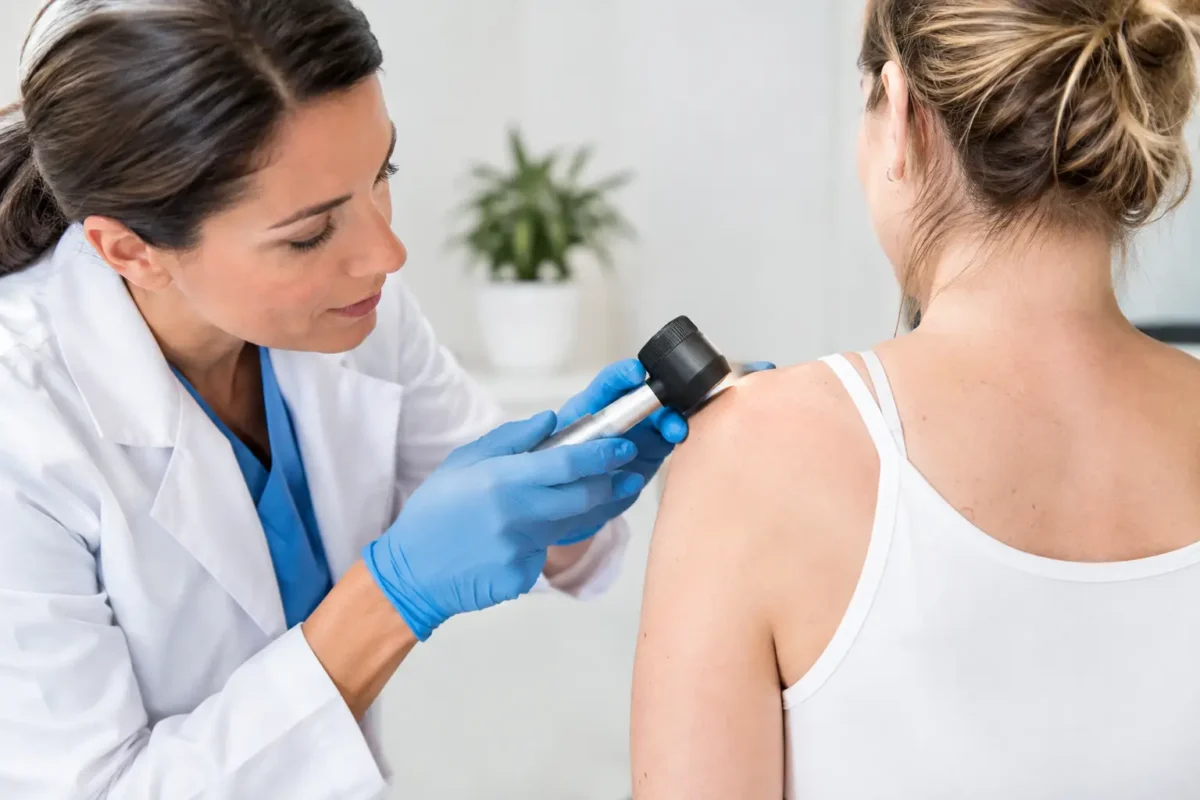
Modern assessment may include dermoscopy, a close examination of skin structures using magnification and specialised lighting. Photography can also be useful for documenting a lesion and monitoring change. Where cancer is suspected, a biopsy may be recommended before definitive treatment, particularly if the diagnosis will alter the extent or nature of surgery.
This preparation matters because surgical planning is more accurate when the diagnosis is clear. A small, low-risk basal cell carcinoma on the trunk may be managed very differently from a lesion near an eyelid, lip, ear or nose. Similarly, melanoma requires a planned excision margin based on its measured depth, rather than a one-size-fits-all approach.
Not every changing or unusual lesion is cancer, but new, bleeding, crusting, non-healing or changing marks deserve timely assessment. It is generally better to have a concerning lesion examined early than to wait for it to become larger and more difficult to treat.
More accurate tumour removal
One of the central advances is the increasingly tailored use of surgical margins. A margin is the rim of normal-looking skin removed around a tumour to reduce the chance that microscopic cancer cells are left behind. The right margin is not necessarily the widest possible margin. It should be sufficient for the cancer type and risk profile while respecting the surrounding anatomy.
For selected skin cancers in high-risk or cosmetically sensitive locations, margin-controlled surgery may be considered. In this approach, tissue is assessed in a way that helps confirm whether cancer remains at the edges before the final reconstruction is completed. Mohs micrographic surgery is a well-known example, often used for particular basal cell and squamous cell carcinomas, especially on the face or where previous treatment has failed.
However, Mohs surgery is not automatically the best treatment for every patient or every skin cancer. It requires specific facilities and expertise, and conventional excision remains highly effective for many lesions. The key question is not which technique sounds most advanced, but which option offers appropriate cancer control with the least unnecessary tissue loss.
For melanoma and some higher-risk squamous cell carcinomas, treatment may involve further staging, discussion with other specialists or additional procedures. A specialist surgeon can explain when surgery is appropriate as a stand-alone treatment and when wider multidisciplinary care is needed.
Pathology remains a vital part of the process
Even with careful planning, the final pathology report guides the next step. It confirms the diagnosis, describes features of the tumour and reports whether it has been fully removed. Occasionally, further excision is advised because cancer cells are found close to or at an edge of the specimen.
This does not necessarily mean anything was done incorrectly. Skin cancers can extend beyond what is visible on the surface, particularly in areas of sun-damaged skin or where a lesion has poorly defined borders. Discussing pathology clearly is an important part of safe, informed care.
Better reconstruction after cancer removal
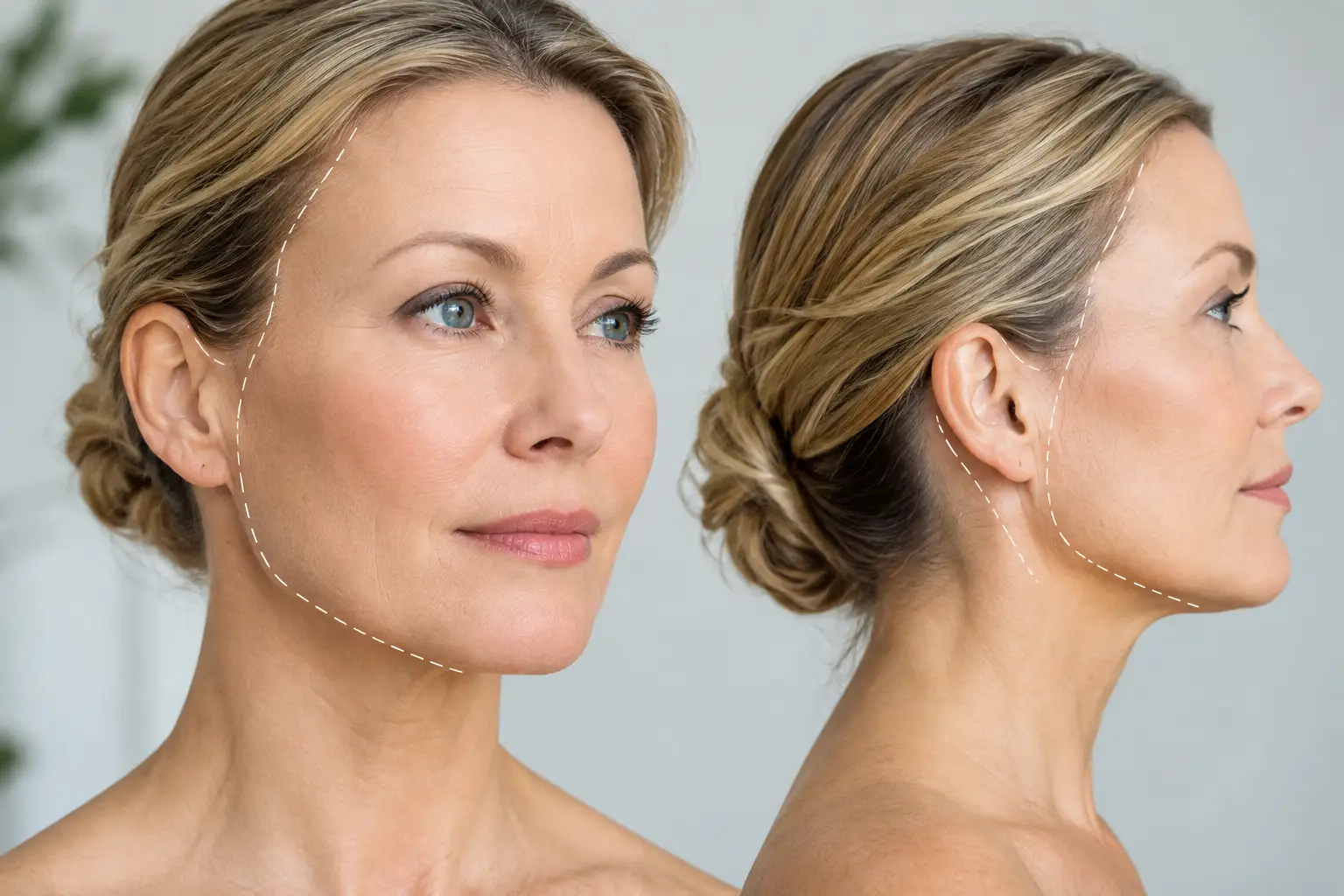
Reconstructive planning has progressed substantially. The aim is not merely to close a wound, but to restore the area in a way that supports healing, function and appearance. This is particularly relevant for skin cancer surgery on the face, scalp, ears, hands and lower legs.
A straightforward wound may be closed directly with carefully positioned stitches. Where direct closure would pull too tightly or distort a nearby structure, a skin graft or local flap may be more suitable. A local flap uses neighbouring skin and tissue, moved while maintaining its blood supply, to cover the defect. It can provide a close match in colour and texture, which is often valuable on the face.
The reconstructive method is chosen after considering more than the size of the wound. Skin laxity, blood supply, medical history, smoking status, medications and individual healing tendencies all matter. A technically possible repair is not always the best repair if it carries an unacceptable risk of delayed healing or functional problems.
In some cases, a staged approach is sensible. This may allow confirmation of clear margins before a more complex reconstruction, or give tissues time to settle before a later refinement. Patients should feel able to ask why a particular method has been recommended and what scar, swelling and recovery are realistically likely to involve.
Local anaesthetic surgery and patient comfort
Many skin cancer excisions can be performed under local anaesthetic. This avoids a general anaesthetic and usually allows patients to return home on the same day. Modern local anaesthetic techniques, careful tissue handling and clear perioperative guidance can make the experience more comfortable than many people expect.
That said, local anaesthetic is not suitable for everyone or every procedure. A large reconstruction, a difficult anatomical site, significant anxiety or relevant health conditions may mean that another anaesthetic option is safer or more appropriate. These decisions should be individualised rather than based solely on convenience.
Good surgery also includes good communication. Knowing what will happen on the day, how to look after the dressing, when stitches will be removed and whom to contact with concerns can reduce uncertainty during recovery.
Scar care and follow-up have become more considered
No surgeon can promise a scarless result. Any operation that removes skin will leave a scar, and the final appearance develops over months rather than days. Nevertheless, thoughtful incision placement, precise closure and protection of delicate surrounding tissues can help achieve the best possible result.
Aftercare also plays a part. Depending on the operation, advice may include keeping the wound dry initially, avoiding strenuous activity or stretching around the repair, using sun protection once healed, and attending scheduled wound checks. If a scar becomes raised, tight, tender or bothersome, treatments such as silicone therapy, massage, steroid treatment or scar revision may occasionally be discussed.
Follow-up is also an opportunity to consider the wider picture. Having one skin cancer increases the importance of regular skin awareness and sun protection. This does not mean every new mark is alarming, but it does mean changes should not be ignored.
What patients should look for in a surgical consultation
A high-quality consultation should leave you with a clear understanding of the suspected diagnosis, the proposed treatment and the alternatives. It should also cover the possibility of incomplete excision, recurrence, bleeding, infection, wound separation, altered sensation and scarring. These risks vary considerably by procedure and body site.
It is reasonable to ask who will perform the procedure, whether tissue will be sent for pathology, how results will be communicated, and what follow-up is included. For complex facial repairs or lesions in functionally important areas, reconstructive expertise can be particularly valuable.
At Stanley Loo Plastic Surgery, the focus is on consultant-led assessment, carefully planned treatment and practical support before and after surgery. The purpose is not to rush patients towards a procedure, but to provide clear advice that reflects both the cancer concern and the person sitting in the consultation room.
If you have noticed a lesion that is changing, bleeding, crusting or failing to heal, arrange an assessment rather than trying to judge it from appearance alone. Early, considered care gives both you and your surgeon more options for treatment and reconstruction.