A biopsy is often recommended because a mole, patch, lump or sore needs a closer look under the microscope. It is understandable to ask, are skin biopsies painful? For most people, the brief sting of the local anaesthetic is the most uncomfortable part. Once the area is numb, you should feel pressure or movement rather than sharp pain.
The prospect of any procedure can be unsettling, particularly if this is your first experience of minor surgery. Knowing what will happen, what sensations are normal and when to contact your surgical team can make the appointment feel far more manageable.
Are skin biopsies painful during the procedure?
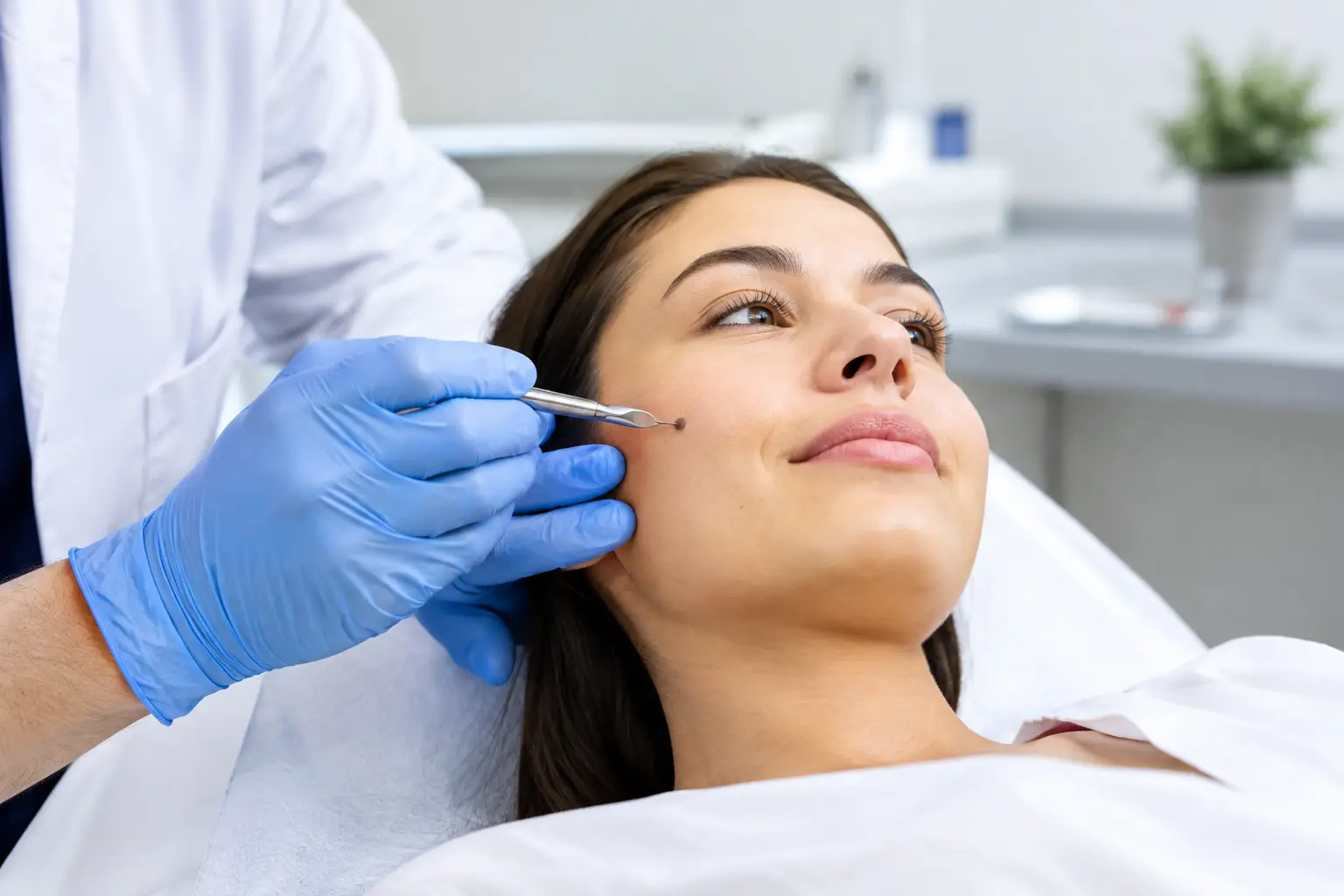
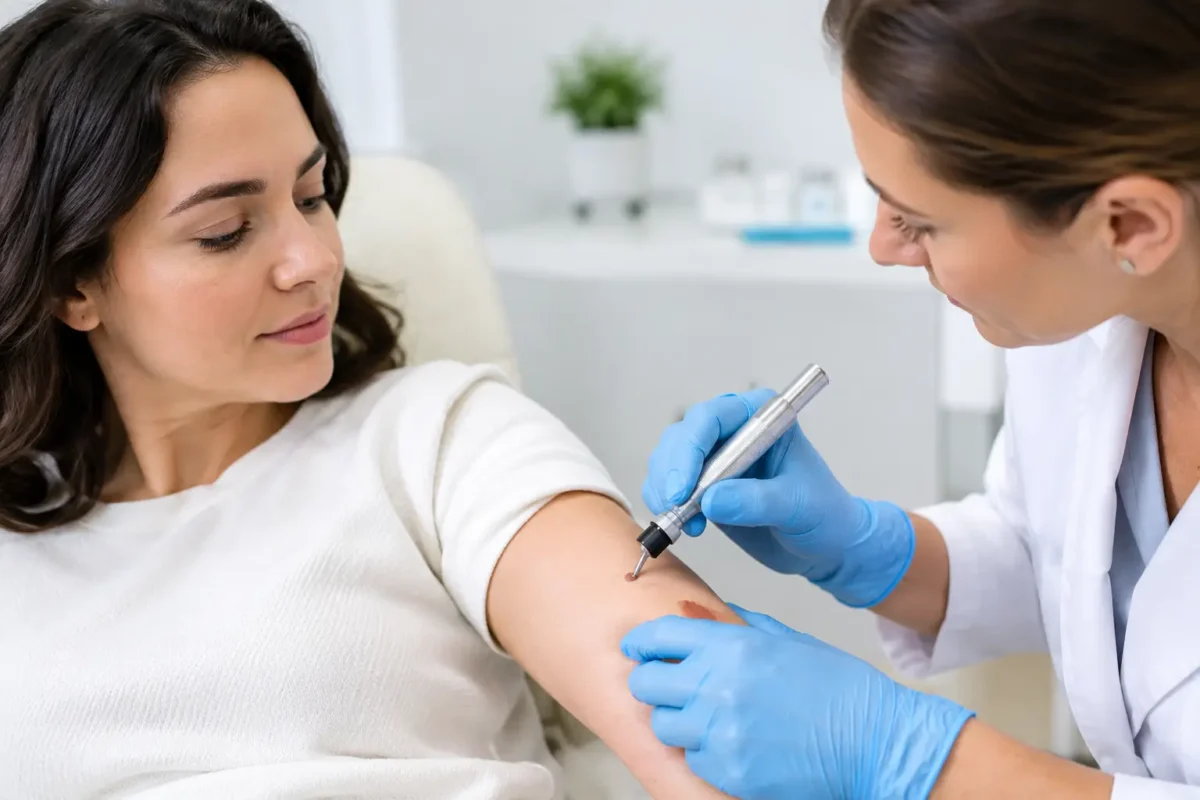
A skin biopsy is usually carried out using local anaesthetic. This means you remain awake, but the small area of skin being treated is numbed. The injection can sting or burn for several seconds, much like other injections, before the anaesthetic takes effect. Your clinician will allow enough time for the skin to become fully numb and will check this before starting.
During the biopsy itself, you may notice pushing, pulling or light pressure. You should not feel cutting pain. If you do feel anything sharp or uncomfortable, say so straight away. More local anaesthetic can usually be given promptly. There is no benefit in trying to tolerate pain silently.
The type and location of the biopsy matter. A small punch biopsy, which takes a circular sample of skin, is often quick. A shave biopsy removes a raised or superficial area and may not require stitches. An excision biopsy removes the entire lesion with a narrow margin of surrounding skin, so it can involve a longer incision and sutures. Even with an excision, the procedure is generally comfortable once the local anaesthetic is working.
What can make a skin biopsy feel more uncomfortable?
Everyone experiences procedures differently. Anxiety can make normal sensations feel more intense, especially when the biopsy is on an area you cannot easily see, such as the back, scalp or face. If you have previously had difficulty becoming numb at the dentist or during another procedure, mention this at your consultation.
Some sites are more sensitive than others. The ears, lips, nose, fingertips, toes and genital area have dense nerve supplies and can be tender while the injection is being given. Inflamed, infected or very sore skin may also be more sensitive before it is numbed.
A clinician will take these factors into account. Careful injection technique, allowing the anaesthetic adequate time to work and checking your comfort throughout are all part of good procedural care. In some circumstances, a different setting or sedation may be discussed, although this is not needed for most routine skin biopsies.
What does a biopsy feel like afterwards?
As the anaesthetic wears off, usually over the next few hours, mild soreness or throbbing is common. Many patients describe it as a small cut, graze or bruise rather than significant pain. The degree of tenderness depends on the size of the sample, whether stitches were used and where the wound is located.
Areas that move or rub are often more noticeable. A biopsy on the shoulder may pull when you reach overhead; one on the lower leg can ache after a day on your feet; and a site beneath clothing or a bra strap may feel irritated. Facial wounds can be surprisingly comfortable because of the good blood supply, while wounds on the lower legs and feet may take longer to settle.
Simple pain relief is usually enough. Paracetamol is commonly suitable for post-procedure discomfort when taken according to the packet directions and your clinician’s advice. Ask before taking anti-inflammatory medication such as ibuprofen if you have been advised to avoid it, take blood-thinning medicines, have a history of stomach ulcers or have kidney problems. Do not stop prescribed anticoagulants unless the clinician managing your care has specifically instructed you to do so.
Caring for the biopsy site can reduce soreness
Your surgical team should give you individual wound-care instructions, as advice differs according to the biopsy method, dressing and body site. Keeping the dressing clean and dry for the recommended period helps protect the wound in its early stages. After that, gentle washing may be advised. Avoid scrubbing, soaking in baths, swimming or applying unapproved creams until you have been told it is safe.
If stitches have been used, it is sensible to limit stretching and strenuous exercise for the period advised. This can reduce bleeding, discomfort and the chance of the wound separating. Stitches on the face are often removed sooner than those on the trunk, limbs or scalp, but timing is individual.
A small amount of spotting on the dressing is not unusual. If bleeding occurs, apply firm, continuous pressure with clean gauze or a clean cloth for the time your clinician has recommended. Repeatedly lifting the dressing to check can interrupt clotting. If bleeding does not stop, seek clinical advice.
When should you contact your clinician?
Mild tenderness should gradually improve, not become increasingly severe after the first couple of days. Contact your clinic if you develop worsening pain, spreading redness, warmth, swelling, pus-like discharge, a fever, persistent bleeding or a wound that opens. These symptoms do not always mean there is an infection, but they should be assessed.
It is also worth getting in touch if a dressing causes a rash, you are unsure when to have stitches removed, or you have concerns about the way the wound is healing. A prompt question is always preferable to worrying at home.
Why a biopsy may still be the right next step
The discomfort of a biopsy is usually short-lived, while the information it provides can be highly valuable. A laboratory examination can distinguish between harmless changes, inflammatory conditions, infections and skin cancers that may need treatment. Although a lesion can sometimes look reassuring or concerning on examination, a biopsy can provide the diagnostic certainty needed to plan appropriate care.
For a suspicious mole or changing lesion, delaying assessment because of concern about pain is rarely helpful. Changes in size, shape, colour or sensation, bleeding without a clear reason, or a sore that does not heal should be assessed by an appropriately qualified clinician. The right approach depends on the lesion and your medical history, not just on how it appears in a photograph or online description.
Preparing for a calmer appointment
Before your procedure, tell the team about allergies, previous reactions to local anaesthetic, bleeding problems, diabetes, immune suppression and all medicines or supplements you take. Bring questions with you, particularly if the biopsy is on a visible area and you are concerned about scarring. Your clinician can explain the planned technique, likely scar direction, dressing requirements and when results are expected.
It can also help to wear comfortable clothing that gives easy access to the area and will not rub against the dressing afterwards. If you are prone to feeling faint during medical procedures, mention it before the appointment. This is common and allows the team to position and support you appropriately.
A skin biopsy is a small procedure, but it deserves the same clear communication and attentive follow-up as any other treatment. Feeling a short sting is normal; feeling unsupported or uncertain should not be. A careful discussion with your clinician can help you approach the appointment with realistic expectations and a clear plan for healing.