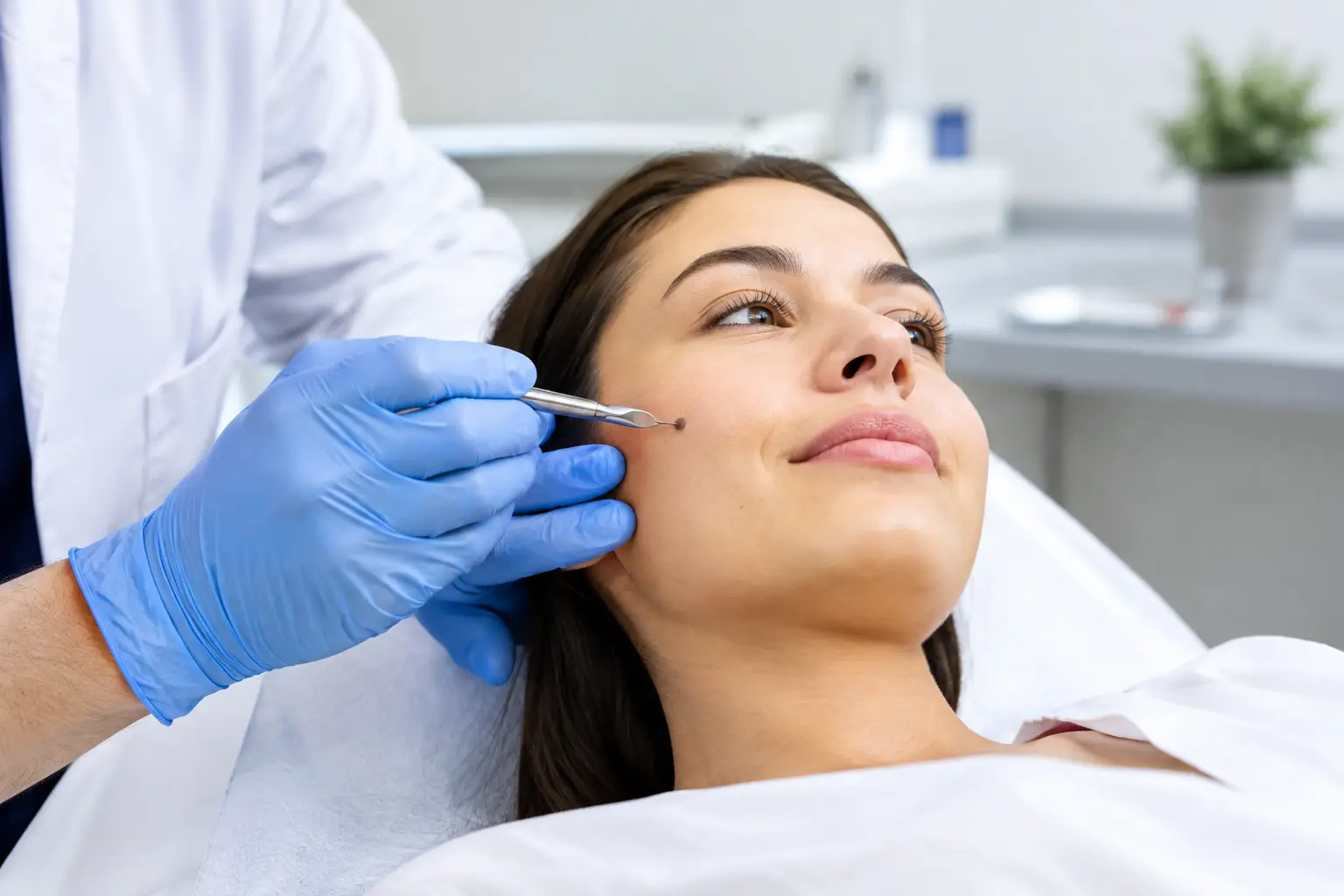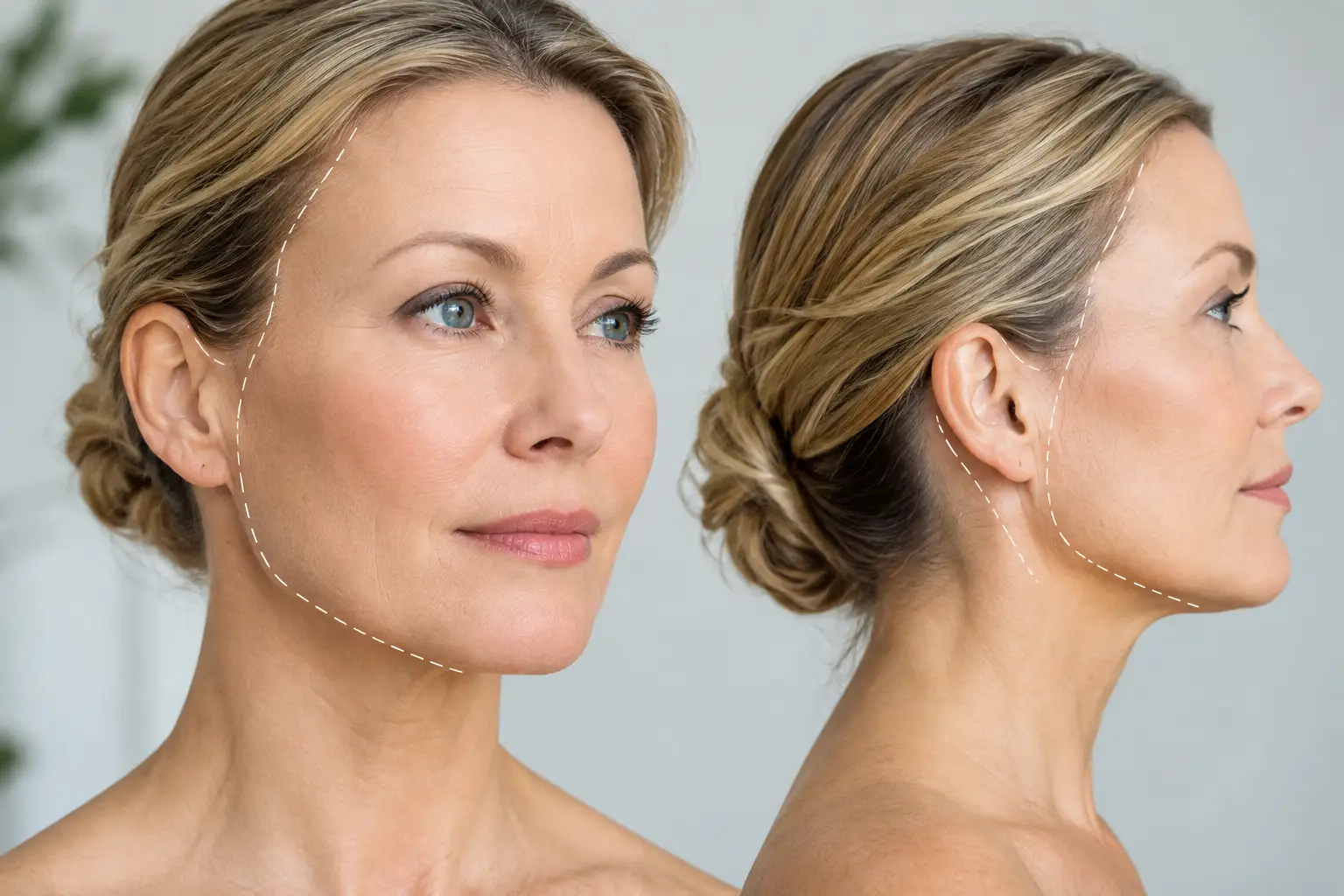

A cosmetic surgery consultation should feel less like a sales appointment and more like a careful clinical conversation. This guide to cosmetic surgery consultations explains how to use that time well: to understand your options, assess the surgeon and practice, and decide whether surgery is right for you at all.
Whether you are considering eyelid surgery, breast reduction, rhinoplasty, liposuction, abdominoplasty, gynaecomastia correction or a procedure to improve a scar, the decision deserves time and clear information. A good consultation is the beginning of personalised care, not a commitment to proceed.
What a cosmetic surgery consultation is for
The consultation is where a specialist surgeon assesses both the concern you would like to address and the wider factors that influence a safe result. These include your health, medical history, previous operations, medications, lifestyle, skin quality, anatomy and expectations.
There is rarely one procedure that suits every patient with the same concern. For example, someone seeking a more refreshed eye area may benefit from upper blepharoplasty, while another person may have brow position, lower eyelid changes or facial volume loss that needs to be considered. Similarly, a patient asking about breast surgery may have choices between augmentation, reduction, lifting procedures or no surgery at all, depending on their goals and physical assessment.
This is why photographs, social media posts and another person’s outcome can be useful starting points but cannot determine what is appropriate for you. Your consultation should focus on your anatomy, priorities and circumstances.
Preparing for your consultation
You do not need to arrive with every answer, but a little preparation can make the discussion more productive. Think about what has led you to consider surgery, how long you have been considering it, and what you hope will change. Be specific where possible. Rather than saying you want a “better nose” or a “flatter stomach”, describe the feature or practical issue that troubles you and what a successful result would mean in everyday life.
Bring a complete list of medications, supplements and allergies. This includes medicines bought without a prescription, herbal products, vitamins and injections used for weight management or diabetes. Share relevant medical conditions, previous surgery, problems with anaesthesia, smoking or nicotine use, and any tendency towards excessive scarring, bleeding or poor wound healing.
It can also help to bring photographs that illustrate your preferences. They are not a blueprint for surgery, but they can help communicate what you like and dislike. A responsible surgeon will explain where those goals are realistic, where anatomy creates limitations, and where a different approach may be safer or more suitable.
If you feel nervous, bringing a trusted family member or friend can be reassuring. They may also help you remember important details afterwards. The final decision, however, should remain your own and should never be rushed by another person’s expectations.
What your surgeon should assess and explain
A thorough consultation normally includes a clinical examination relevant to the proposed procedure. This may involve measurements, assessment of skin and soft tissue, photographs for planning and comparison, and discussion of your general fitness for surgery. For some procedures, further investigations or input from another health professional may be needed before a treatment plan can be confirmed.
Your surgeon should explain the likely benefits as well as the limits of surgery. Cosmetic procedures can improve proportion, shape, contour, function or confidence, but they cannot guarantee perfection, stop ageing, or resolve every emotional difficulty connected with appearance.
The discussion should also cover the procedure itself in understandable terms: where incisions are placed, whether implants or fat transfer are involved, the type of anaesthesia, expected operating time, and whether treatment is performed as a day case or requires an overnight stay. You should understand what will happen before, during and after surgery, not simply the anticipated appearance of the result.
Risk is a central part of informed consent. All operations carry risks, including bleeding, infection, delayed healing, scarring, asymmetry, altered sensation, anaesthetic complications and the possibility of revision surgery. The specific risks vary. A breast augmentation, for instance, has implant-related considerations, while abdominoplasty has a different recovery profile and risks relating to wound healing and blood clots.
A calm, honest explanation of risk is not intended to discourage you. It allows you to weigh the potential benefit against the recovery and uncertainty involved. If you do not understand an answer, ask for it to be explained differently.
Questions worth asking during a consultation
The right questions are the ones that help you make a decision with confidence. You may wish to ask about the surgeon’s specialist qualifications and experience with the procedure you are considering, as well as why they recommend one technique over another.
Ask what result is realistically achievable in your case and what factors could affect it. It is reasonable to ask about scars, expected changes over time, the likelihood of needing a further procedure, and whether non-surgical treatment or postponing surgery may be appropriate.
Recovery deserves equal attention. Ask how long you may need away from work, driving, exercise, caring responsibilities and social commitments. Find out when swelling and bruising are usually most noticeable, when you can sleep normally, when you may travel, and how long it may take for the final result to settle. Recovery is not identical for every patient, and lifestyle demands can influence the timing of surgery.
You should also ask who will look after you after the operation. Clear post-operative guidance, planned follow-up appointments and access to advice if you have a concern are important parts of surgical care. A good practice will explain how to contact the team and what symptoms require prompt attention.
Recognising pressure and allowing time to decide
You should not feel obliged to book surgery during your first appointment. Cosmetic surgery is elective, and time to reflect is valuable. Review the information you have received, discuss it with someone you trust if helpful, and consider whether the benefits still feel proportionate to the cost, recovery and risks.
Be cautious if the conversation is dominated by discounts, time-limited offers or promises of a guaranteed result. Professional advice should be based on suitability and safety, not urgency. Equally, be wary of a consultation that avoids discussion of complications, recovery or alternatives.
Sometimes the most appropriate recommendation is to wait, address a health issue first, stop nicotine use, reach a stable weight, or decide against surgery. This is not a failure of the consultation. It demonstrates that the treatment plan is centred on your welfare rather than on selling a procedure.
Understanding costs and the treatment plan
Before making a decision, ensure you have a written outline of the proposed treatment and costs. Ask what is included, such as surgeon’s fees, anaesthetist fees, hospital charges, implants where relevant, garments, follow-up care and any required investigations. Policies for revision surgery or treatment of complications should also be understood in advance.
The least expensive option is not always the best value if it offers limited follow-up, unclear clinical accountability or inadequate support during recovery. Conversely, a higher fee does not by itself demonstrate quality. Look for clear communication, appropriate specialist credentials, a well-considered plan and a team that treats your questions with respect.
Making a decision that feels right for you
After your consultation, consider not only the proposed result but how you felt during the discussion. Were you listened to? Did the surgeon explain the trade-offs clearly? Did the recommendation feel tailored to you rather than predetermined? Were you given space to think?
The right decision may be to proceed, seek a second opinion, choose a less invasive option or take more time. What matters is that your choice is informed, voluntary and supported by a realistic understanding of the journey ahead. When surgery is approached with careful planning and attentive follow-up, you can move forward knowing that your wellbeing has remained at the centre of care.