
Categories
Cosmetic Surgery Plastic Surgery

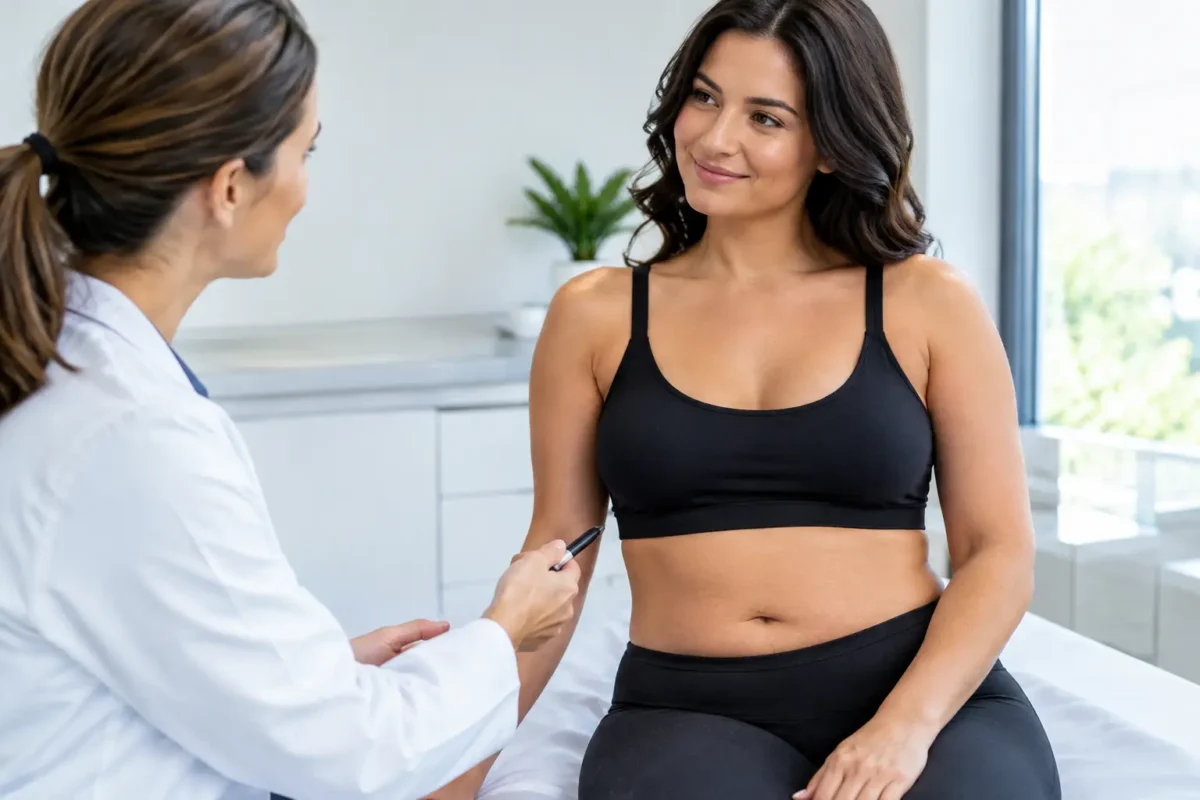
Liposuction Candidate Suitability Guide for Adults

https://plasticsurgerynz.org/liposuction-candidate-suitability-guide/
October 19, 2026 - Stanley Loo -A concern about a persistent area of fat is often what

A concern about a persistent area of fat is often what brings patients to consider surgery: the abdomen that does not change despite regular exercise, the thighs that feel out of proportion, or fullness beneath the chin that remains despite a healthy lifestyle. This liposuction candidate suitability guide is designed to help you understand whether liposuction may be appropriate, what a surgeon needs to assess, and when another approach may offer a better result.

Liposuction can create meaningful improvements in body contour, but it is not a shortcut to weight loss or a substitute for a sustainable approach to health. The safest and most satisfying outcomes usually come when the procedure is chosen for the right reasons, at the right time, with realistic expectations.

What liposuction is designed to treat

Liposuction removes localised deposits of fat through small incisions using a fine cannula. It may be considered for areas such as the abdomen, flanks, hips, thighs, knees, upper arms, back, chest, or beneath the chin. The aim is to improve proportion and contour rather than to produce a particular number on the scales.

For many patients, the best results are seen when weight has been stable for some time and the concern is a defined area that remains resistant to diet and exercise. The skin and underlying tissues also need to be considered carefully. Removing fat can improve shape, but it does not reliably tighten loose skin. Where there is significant skin laxity, a procedure that removes excess skin, such as an abdominoplasty, may be more suitable than liposuction alone.

Liposuction candidate suitability guide: the key considerations

Suitability is not decided by one measurement or photograph. It is a clinical judgement based on your health, anatomy, lifestyle, goals, and willingness to follow recovery advice. A specialist consultation allows these factors to be considered together.

You are close to a stable, healthy weight

Liposuction is best regarded as body contouring, not weight-reduction surgery. Patients who are at or close to a weight they can maintain are more likely to see a clear improvement in proportion and maintain that result over time.

There is no single weight or body mass index that automatically determines suitability. However, if substantial weight loss is still planned, it may be sensible to achieve and maintain that weight first. Further weight change after surgery can alter the contour achieved and may affect skin quality.

Your skin has enough elasticity for the planned area

Skin quality varies between people and between body areas. Younger skin often retracts more effectively after fat removal, but age alone does not determine the outcome. Pregnancy, weight fluctuations, sun exposure, genetics, and previous surgery can all affect elasticity.

During an assessment, the surgeon will examine the skin, the thickness and distribution of fat, and the degree of underlying laxity. In some circumstances, liposuction alone may leave loose or uneven-looking skin. An honest discussion before surgery is far preferable to disappointment afterwards.

You are in good general health

A full medical history is essential before any operation. Conditions such as diabetes, high blood pressure, heart or lung disease, bleeding disorders, sleep apnoea, or previous blood clots do not always rule out surgery, but they may affect whether it can be undertaken safely and where it should be performed.

Your surgeon should also know about previous operations, allergies, and all medicines and supplements you take. Some medications can increase bleeding risk or interact with anaesthesia. Any recommended changes must be made under the guidance of the clinician who prescribed them.

You do not smoke or use nicotine products

Smoking and nicotine use can compromise blood flow and delay wound healing. This includes cigarettes, vaping products, nicotine patches, gum, and other nicotine replacement products. The risk is particularly relevant when liposuction is combined with a skin-tightening or skin-removal procedure.

A surgeon may ask you to stop nicotine for a defined period before and after surgery, with testing in some cases. This is not a formality. It is a practical measure to reduce avoidable complications and support proper healing.

Your expectations are realistic and personal

A good candidate understands both what liposuction can achieve and its limits. The procedure can reduce fullness and improve the transition between adjacent areas, but it cannot guarantee complete symmetry, erase cellulite, or create the body shape of someone else.

It is also worth reflecting on why you want surgery now. The strongest decisions tend to be made for your own comfort and confidence, rather than pressure from a partner, social media, or an approaching event. Surgery should never feel rushed.

When it may be better to wait

Delaying a procedure can be the right clinical decision, and it does not mean your concerns are being dismissed. If you are pregnant, breastfeeding, planning a pregnancy in the near future, or undergoing significant weight change, it may be better to postpone treatment. Hormonal and weight changes can affect both contour and skin laxity.

Active medical conditions, poorly controlled diabetes, untreated mental health concerns, or a current nicotine habit may also mean that surgery should wait. In other cases, the concern may be primarily loose skin, muscle separation after pregnancy, or a pattern of fat distribution that is better managed through a different procedure.

A careful surgeon may recommend against liposuction if the likely benefit is limited or the risks outweigh the expected improvement. That candour is a central part of safe, patient-centred care.

Understanding the trade-offs and risks

Every surgical procedure involves recovery and risk. Following liposuction, bruising, swelling, numbness, tenderness, and fluid leakage from the small incision sites are common in the early stages. Swelling can take weeks, and sometimes several months, to settle fully. Compression garments are often recommended to support the healing tissues and help manage swelling.

Less common but more serious risks include infection, bleeding, fluid collection, changes in skin sensation, contour irregularities, skin discolouration, delayed healing, scarring, blood clots, and risks associated with anaesthesia. There is also a possibility of requiring a revision procedure, particularly where healing is uneven or skin retraction is less than anticipated.

These possibilities need to be discussed in the context of your individual circumstances. The goal of consultation is not to alarm you, but to ensure your decision is properly informed.

What happens during a specialist consultation

A consultation should be a conversation, not a sales appointment. Your surgeon will ask about your health, weight history, previous procedures, medications, smoking or nicotine use, and what you hope to change. They will examine the relevant area and assess whether liposuction is likely to produce a worthwhile improvement.

You should have time to ask practical questions about the technique, anaesthetic, expected scars, recovery, compression garments, time away from work, exercise restrictions, and follow-up care. It can help to bring a written list of questions, particularly if this is your first experience of surgery.

You may also be asked about your understanding of the procedure and your expectations of the result. This is part of informed consent, not a test. Clear communication helps the surgical team plan care around your needs and identify any issue that requires further discussion.

Preparing well if liposuction is right for you

Once surgery has been agreed, preparation matters. Maintain a stable weight, follow guidance about nicotine and medicines, arrange practical support for the first days of recovery, and allow enough time before returning to demanding work or exercise. Choosing a quiet recovery period is generally wiser than trying to fit surgery around a major holiday, wedding, or other fixed event.

Attend follow-up appointments even if healing appears straightforward. Early review provides reassurance, while also allowing the team to identify and address concerns promptly. Final results should be judged patiently, after swelling has had sufficient time to settle.

The right decision is not simply whether liposuction is possible. It is whether it is likely to be safe, proportionate, and genuinely helpful for you. A thoughtful consultation with a qualified specialist can give you the clarity to proceed with confidence, or the reassurance that another option, or a little more time, is the better choice.


Categories
Breast Surgery Cosmetic Surgery Plastic Surgery

Fat Transfer Versus Implants: Which Fits You?

https://plasticsurgerynz.org/fat-transfer-versus-implants/
October 15, 2026 - Stanley Loo -A desire for breast enhancement does not automatically

A desire for breast enhancement does not automatically point to one operation. For some patients, the deciding issue in fat transfer versus implants is whether they want a modest change using their own tissue. For others, it is the ability to achieve a more predictable increase in volume and upper-breast fullness. Both can be appropriate choices, but they are different procedures with different limitations, recovery considerations and long-term planning.

The right option begins with a careful consultation, not a preferred procedure. Your existing breast shape, skin quality, chest dimensions, available body fat, desired size and medical history all matter. Just as importantly, the safest recommendation should reflect what can be achieved reliably rather than what looks appealing in a photograph.

Fat transfer versus implants: the central difference

Fat transfer to the breasts uses fat taken from another area of the body, commonly the abdomen, flanks or thighs. The fat is removed by liposuction, carefully processed, then injected in small amounts throughout the breast tissue. It can create a subtle, natural-feeling increase in volume while also contouring the donor area.

Breast implants are silicone shells filled with either silicone gel or saline. They are placed behind or in front of the chest muscle, depending on your anatomy and treatment plan. Implants provide a more defined and predictable increase in breast volume, including in patients who are naturally slim or have little excess fat.

Neither approach is inherently better. The more useful question is which procedure is more likely to meet your goals with an acceptable balance of surgery, recovery and future maintenance.

What results can each procedure achieve?

Fat transfer offers subtle, tissue-based enhancement

Fat transfer is usually best suited to patients seeking a relatively modest increase in breast size, improvement in breast shape or softening of minor asymmetry. It may be appealing if you would prefer not to have an implant or if you also wish to address localised fat deposits through liposuction.

The result tends to feel very natural because it is your own tissue. However, not all transferred fat survives. Some of it is naturally reabsorbed by the body during the months after surgery. While an experienced surgeon plans for this, the final volume cannot be predicted with the same precision as an implant result. A second fat transfer procedure may be considered if more volume is desired.

Fat transfer cannot reliably produce a large size increase in one operation. It also does not lift significantly drooping breasts. Where there is substantial skin laxity or a low nipple position, a breast lift may be the more relevant procedure, either alone or combined with augmentation in selected cases.

Implants provide more predictable volume

Implants can achieve a wider range of size changes and are generally the more reliable choice for patients seeking noticeable fullness. They may restore volume after pregnancy, weight change or breast-feeding, and can offer greater projection in the upper part of the breast where appropriate.

Implant surgery enables detailed planning around size, profile and position, although these choices should be guided by your tissues and proportions. An implant that is too large for the available skin and soft-tissue support may increase the chance of stretching, visible edges or other longer-term concerns.

An implant does not stop natural ageing, weight fluctuation or changes following pregnancy. Breasts continue to change over time, and some patients may eventually choose revision surgery, replacement or removal. Implants are not considered lifetime devices.

Who may be suitable for fat transfer?

A patient considering fat transfer needs enough donor fat to harvest safely. This is not simply about body weight. The distribution of fat, the quantity available and the contours that can be treated all need individual assessment. Very lean patients may not have sufficient donor sites for a meaningful breast enhancement.

Fat transfer may suit someone who wants an understated result, wants to correct a small contour difference between the breasts, or prefers to avoid an implanted device. It can also be used alongside implants in certain circumstances to improve soft-tissue coverage or refine contour, although this is a more specialised discussion.

Stable weight is helpful. Significant weight loss after surgery can reduce the volume of transferred fat, while weight gain may increase breast volume. Smoking or vaping is a significant concern because nicotine affects circulation and wound healing, which can compromise the survival of transferred fat and increase surgical risks.

Who may be suitable for implants?

Implants may be more suitable when a patient wants a fuller breast shape than fat transfer can provide, does not have enough body fat for harvesting, or wants a result that is easier to size and plan in advance. They can be particularly helpful where upper-pole fullness is an important aesthetic goal.

Your surgeon will assess the thickness and quality of breast tissue, the width of your chest, asymmetry, skin elasticity and the position of your nipples. This assessment helps determine whether an implant is suitable and, if so, which placement and size range are sensible.

Patients should be comfortable with the fact that implants require ongoing awareness. This includes attending recommended follow-up, monitoring for changes in breast shape or comfort, and understanding that further surgery may be needed at some point in the future.

Recovery: different areas, different considerations

Recovery after fat transfer involves both the breasts and the liposuction donor sites. Bruising, swelling and tenderness are common in areas where fat has been removed, and these can initially feel more uncomfortable than the breasts themselves. Compression garments may be advised for the donor areas, while pressure on the newly transferred fat should be avoided as directed by your surgeon.

Following implant surgery, discomfort is usually focused around the chest, particularly if the implants are placed beneath the muscle. There may be tightness, swelling and a temporary change in sensation. A supportive surgical bra is commonly recommended, and strenuous activity, heavy lifting and upper-body exercise need to be restricted during early healing.

For either procedure, time away from work depends on the nature of your role and your individual recovery. Many patients can return to light duties within one to two weeks, but exercise and heavier physical activity take longer. Your post-operative instructions should be tailored to your procedure rather than based on another patient’s experience.

Understanding the risks and trade-offs

All surgery carries risks such as bleeding, infection, scarring, anaesthetic complications and delayed healing. Individual risks vary according to your health, smoking status, medications and the complexity of surgery.

With fat transfer, specific considerations include uneven fat survival, lumps caused by fat necrosis, contour irregularities at the liposuction sites and the possibility that the final volume is less than expected. Changes in breast tissue following fat grafting can also appear on future breast imaging. It is important to tell your screening provider and radiologist about any previous breast surgery.

With implants, potential complications include capsular contracture, where scar tissue around an implant becomes firm or tight; implant rupture; movement or malposition; rippling; altered sensation; and the need for revision surgery. There is also a rare association between textured breast implants and breast implant-associated anaplastic large cell lymphoma. Your surgeon should discuss the implant options, known risks and appropriate follow-up in clear terms.

Cost should also be considered over the long term. Fat transfer may involve more than one treatment to build volume, whereas implants may involve future imaging, revision or replacement. The initial procedure price alone does not tell the full story.

Making a confident, informed choice

Bring clear priorities to your consultation. It can help to consider whether your main aim is a subtle enhancement or a more noticeable size change, whether donor-site contouring is a benefit, and how you feel about having an implant and the possibility of future surgery. Photographs can help communicate the type of result you like, but they should be used as a starting point rather than a promise of an identical outcome.

A specialist consultation should include an examination, discussion of your health and breast history, explanation of realistic outcomes, and time to consider the risks without pressure. You should feel able to ask why a particular approach is being recommended and what alternatives may be reasonable for you.

The most satisfying result is rarely the largest possible change. It is a result that respects your anatomy, suits your lifestyle and has been chosen with a clear understanding of the care required after surgery.

Categories
Cosmetic Surgery

Who Are the Best Candidates for Fat Transfer?

https://plasticsurgerynz.org/best-candidates-for-fat-transfer/
October 7, 2026 - Stanley Loo -Fat transfer can offer a subtle way to restore volume using

Fat transfer can offer a subtle way to restore volume using your own tissue, but it is not simply a matter of having unwanted fat in one area and wanting more fullness in another. The best candidates for fat transfer are people whose health, anatomy and expectations support a safe procedure and a natural-looking, durable result.

Also called fat grafting or lipofilling, the procedure involves removing fat by liposuction, carefully processing it, and injecting selected healthy fat cells into another area. It may be used to soften facial hollowing, improve contour irregularities, refine scars, or add modest volume to the breasts or other areas. The right approach depends on why you are considering treatment in the first place.

What makes someone a good candidate for fat transfer?

A suitable candidate is generally in good overall health, at a stable weight and able to provide enough donor fat for the planned treatment. Donor fat is commonly taken from the abdomen, flanks, thighs or other areas with a small but usable reserve. This does not mean a person needs to carry a large amount of excess weight. Even relatively slim patients may have sufficient fat for small-volume facial grafting or targeted contour correction.

Fat transfer works best when it is planned as an enhancement rather than a way to create a dramatic change in body size. The body naturally absorbs a proportion of transferred fat during healing. While careful technique aims to maximise fat survival, no surgeon can guarantee that every transferred cell will establish a blood supply. Patients who are comfortable with a gradual, nuanced result tend to be better suited to the procedure than those seeking a precise or very large increase in volume.

Good candidates are also prepared to follow recovery advice closely. This includes allowing time for swelling and bruising to settle, attending follow-up appointments, and avoiding pressure on a treated area when advised. Recovery requirements vary according to the donor and recipient sites, as well as the volume of fat transferred.

A stable weight supports a more predictable result

Weight changes can affect both the areas where fat is removed and the area where it is placed. Significant weight loss may reduce the volume of grafted fat, while weight gain can alter body proportions in an unpredictable way. Reaching a weight that feels sustainable before surgery gives the surgeon a clearer foundation for treatment planning.

This is particularly relevant when fat transfer is being considered alongside body contouring surgery. Liposuction is not a weight-loss treatment, and fat transfer should not be viewed as a substitute for a balanced approach to long-term weight management.

Healthy skin and tissues matter too

The quality of the recipient area plays a role in how fat transfer may perform. Healthy, well-vascularised tissue is generally better able to support the transferred cells as they settle. Previous surgery, scar tissue, radiotherapy, infection or significant tissue damage can affect planning, although fat grafting may sometimes be considered as part of reconstructive care to improve tissue quality or contour.

An individual assessment is essential. A technique that is appropriate for a small contour depression following surgery may not be suitable for creating volume in an area with extensive scarring or compromised circulation.

Best candidates for fat transfer to the face

Facial fat transfer can be particularly helpful for people who have lost volume through ageing, weight loss or natural facial anatomy. Hollowing at the temples, cheeks, under-eye area or around the mouth can create a tired or drawn appearance even when the skin itself is in good condition.

The most suitable patients usually want a soft restoration of proportion, rather than a visibly overfilled look. Fat transfer may be performed alone or considered alongside procedures such as eyelid surgery or facelift surgery where volume loss is contributing to the overall appearance of the face.

There are trade-offs. Facial fat transfer can provide a long-lasting improvement once grafted fat has settled, but the result is less immediately predictable than using a precisely measured temporary filler. Conversely, a patient who prefers to trial a change before making a surgical commitment may be better served by a non-surgical option. The right choice depends on the area being treated, the degree of volume loss and your priorities for longevity, recovery and maintenance.

When fat transfer may be considered for the breasts

For selected patients, fat transfer to the breasts can provide a modest increase in volume, improve symmetry or soften contour irregularities. It may also be used to refine the result of previous breast surgery. Patients who want a natural-feeling enhancement without an implant can find the approach appealing, provided they understand its limits.

It is usually not the best option for someone seeking a substantial size increase or a reliably defined cup-size change. In those circumstances, breast implants, or occasionally a staged approach, may be more appropriate. The amount of fat available, the existing breast tissue, skin envelope and desired outcome all influence what can be achieved safely.

Breast fat transfer also requires thoughtful pre-operative assessment and ongoing breast awareness. Fat grafting can lead to benign changes such as oil cysts or calcifications, which may be visible on future imaging. These changes are usually distinguishable by experienced breast imaging specialists, but it remains important to tell mammography and ultrasound providers about any previous breast surgery or fat grafting.

Who may need to postpone or avoid treatment?

Some factors do not necessarily rule out fat transfer permanently, but they may mean surgery should be delayed or that another treatment is safer. Active smoking or nicotine use is a key concern because nicotine restricts blood flow and can impair wound healing and fat survival. This includes cigarettes, vaping products, nicotine replacement therapies and other nicotine-containing products. A surgeon will provide specific guidance on when these need to stop before and after surgery.

Uncontrolled medical conditions, active infections, untreated bleeding problems and certain medications may also increase surgical risk. A full medical history is necessary, including previous operations, allergies, prescribed medicines and supplements. Patients who are pregnant, breastfeeding or planning a pregnancy soon may be advised to defer elective treatment, especially when the breasts or abdomen are involved.

Very lean patients may not have enough donor fat for the result they have in mind. This is not a judgement about body shape. It is a practical limitation of the procedure, and an honest consultation should identify it early. Equally, patients expecting fat transfer to correct substantial skin laxity may require a lifting or skin-removal procedure instead, or in addition.

Realistic expectations are part of surgical suitability

A good consultation is not just about deciding whether surgery can be performed. It is about deciding whether it is likely to meet your goals. Before recommending fat transfer, a specialist plastic surgeon will assess the donor sites, skin quality, tissue volume and any asymmetry. They will also discuss where scars from liposuction may sit, the expected recovery period, possible need for further treatment and risks such as bleeding, infection, contour irregularity, fat necrosis and asymmetry.

Photographs and a clear description of the change you hope to see are useful, but no two bodies heal in exactly the same way. It is reasonable to want improvement; it is less realistic to expect perfect symmetry or a result that remains untouched by future ageing and weight change.

Preparing for a consultation

Come prepared to discuss what bothers you, what outcome would feel successful and whether you have had any previous procedures in the area. It can help to consider whether your priority is a small, natural refinement, restoration after volume loss, correction of an irregularity or a more noticeable change. These are different treatment conversations.

A specialist consultation should leave you with a clear understanding of whether fat transfer is appropriate, what it can reasonably achieve and what alternatives may better suit your needs. The most reassuring decision is not always the quickest one. It is the one made with enough information, careful assessment and a treatment plan that respects your health as much as your aesthetic goals.