
The question most patients ask after choosing a procedure is not only how they will look, but how long recovery will take. A realistic cosmetic surgery recovery timeline can make the difference between feeling prepared and feeling unsettled, particularly if this is your first operation. Recovery is rarely a straight line. Swelling, bruising, tiredness, tightness and temporary asymmetry can all be normal at different stages, and each procedure brings its own pace.
What matters most is understanding the broad pattern, while recognising that your timeline depends on the operation itself, your general health, your skin quality, whether multiple procedures are combined, and how closely post-operative instructions are followed. Good preparation helps, but patience matters just as much.
What shapes a cosmetic surgery recovery timeline?
Two patients can have the same operation and recover at slightly different speeds. Age, smoking history, medical conditions, medications, activity levels and even how your body tends to bruise can all influence healing. A shorter operation on a smaller area, such as upper eyelid surgery, usually settles more quickly than a more involved procedure such as abdominoplasty or breast reduction.
The extent of correction also matters. A conservative rhinoplasty may recover differently from a more complex reshaping. Liposuction to one small area is different from treatment across several regions. This is why a surgeon should give you a personalised recovery plan rather than a one-size-fits-all promise.
The first 48 hours
This is usually the stage when discomfort, swelling and fatigue are most noticeable. Most patients feel drowsy on the day of surgery and may need help at home, especially after general anaesthetic. It is common to feel tight, sore or puffy rather than in severe pain, although the exact experience varies by procedure.
During this early window, rest is important, but complete immobility is not usually advised. Gentle walking around the house can support circulation. Dressings, compression garments or surgical bras may need to stay in place continuously. You may also notice drainage, numbness or an uneven appearance. These early changes are often expected and do not reflect the final result.
Sleep can be awkward at first. Patients recovering from facial surgery often need to keep the head elevated, while those recovering from breast or abdominal surgery may need to avoid certain positions. Planning this in advance can make the first nights much easier.
Days 3 to 7
For many procedures, bruising and swelling peak around this point before they begin to settle. This can be the stage when patients feel impatient, because they are mobile enough to notice everything but still far from the final appearance. Facial surgery may look more dramatic before it improves. Body surgery may feel tighter and more restrictive than expected.
If you have had blepharoplasty, otoplasty or a minor skin procedure, you may already feel significantly better by the end of the first week. If you have had rhinoplasty, breast surgery, liposuction or abdominoplasty, this period is still early recovery. You may be walking more comfortably, but lifting, stretching and driving may still be limited.
Follow-up appointments often take place during this stage. These reviews are important because they allow your surgeon to check wound healing, manage dressings and answer concerns before small issues become larger ones.
Weeks 2 to 3
This is often the point when patients begin to feel more like themselves in daily life. Many people return to desk-based work somewhere within this period, depending on the procedure and how physically demanding their role is. Bruising may be fading, though residual swelling can remain obvious to you even if others do not notice it.
The trade-off at this stage is that feeling better can tempt people to do too much too soon. That is a common cause of setbacks. Heavy lifting, strenuous exercise, forceful stretching and returning to full routine ahead of advice can increase swelling and may compromise healing.
For facial procedures, social recovery and tissue recovery are not the same thing. You may feel comfortable being seen in public before the tissues have fully settled. For body procedures, clothing may fit more comfortably by now, but swelling can still fluctuate through the day.
Weeks 4 to 6 in the cosmetic surgery recovery timeline
By one month, a substantial amount of early healing has usually taken place. This is the stage when many patients feel encouraged. Incisions are maturing, mobility is improving and day-to-day discomfort is often much less. That said, this is not the finish line.
After breast augmentation or reduction, shape and position may still continue to change. After abdominoplasty, tightness and swelling often persist beyond the first month. After rhinoplasty, the bridge may look improved while the tip remains swollen for much longer. Liposuction results can also appear uneven or firm during this period as swelling resolves and tissues settle.
If you have had a smaller procedure, such as lesion removal or limited scar revision, recovery may be largely complete by this point apart from scar maturation. More extensive operations continue to evolve over months, not weeks.
Months 2 to 3
This is often where the result begins to look more natural. Swelling is usually reduced enough for better contour assessment, and scars may start to soften, though they can still be pink or firm. Energy levels are typically back to normal, and most patients have resumed ordinary routines, including more regular exercise if cleared to do so.
This phase can also bring questions about symmetry, firmness or small contour irregularities. Often, these are part of the normal settling process. Breasts may sit higher than expected before they soften. The nose may feel stiff. The abdomen may still feel numb. Areas treated with liposuction can remain tender or slightly lumpy for a time.
What patients sometimes find surprising is that internal healing continues long after the skin appears healed. Feeling well does not always mean the deeper tissues are fully settled.
When do final results appear?
The honest answer is that it depends on the procedure. Eyelid surgery may look largely settled within several weeks, although subtle changes continue. Breast surgery often shows meaningful improvement within a few months, but the final shape may continue to refine beyond that. Rhinoplasty is one of the clearest examples of delayed refinement, with residual swelling sometimes taking many months to resolve, particularly around the tip.
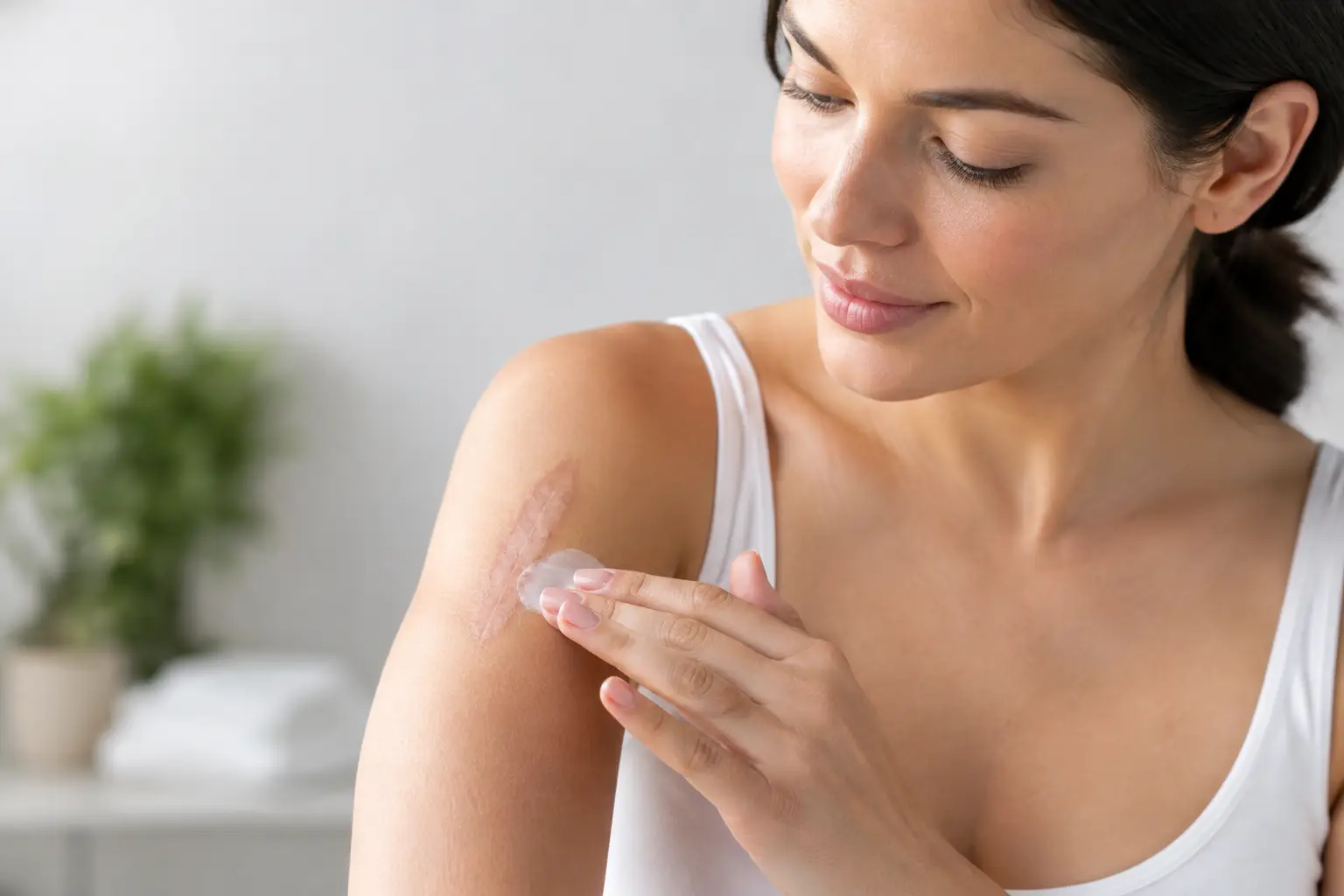
Scars follow their own timeline. They usually look more noticeable before they improve. A scar that is pink, raised or firm early on is not necessarily healing badly. Scar maturation often takes many months, and careful aftercare matters.
Procedure-specific differences
A cosmetic surgery recovery timeline should always be matched to the operation. Facial procedures can have a relatively quick social recovery but a longer period of subtle residual swelling. Body contouring operations often require more restriction in movement and a more gradual return to exercise. Breast procedures sit somewhere in between, with visible early change but continued internal settling.
Combining procedures can be efficient, but recovery may be more demanding. For example, breast surgery with abdominal contouring is very different from having either procedure on its own. The benefit is one anaesthetic and one planned recovery period. The trade-off is a greater healing burden on the body.
How to support recovery well
The most helpful approach is a calm, well-planned one. Arrange help at home if needed, especially for the first few days. Prepare loose clothing, easy meals and a suitable place to rest. Take medications exactly as directed and attend all follow-up appointments.
Avoid smoking and nicotine products, as they can impair blood supply and wound healing. Keep activity within the limits advised, even if you feel capable of more. Protect healing scars from sun exposure, and do not compare your progress too closely with images online. Timelines shown on social media are often selective and rarely explain the full process.
Just as important is knowing when to ask for advice. Increasing redness, worsening pain, unusual swelling, fever, persistent bleeding or any sudden change should be reviewed promptly. Reassurance is part of good surgical care, and early communication is always better than waiting.
A well-managed recovery is not about rushing back to normal. It is about allowing your body the time and support it needs to heal properly, so the result has the best chance to settle well. If you approach surgery with clear expectations, careful planning and the guidance of a specialist team, recovery tends to feel far more manageable than many patients fear at the start.