Categories
Cosmetic Surgery Plastic Surgery

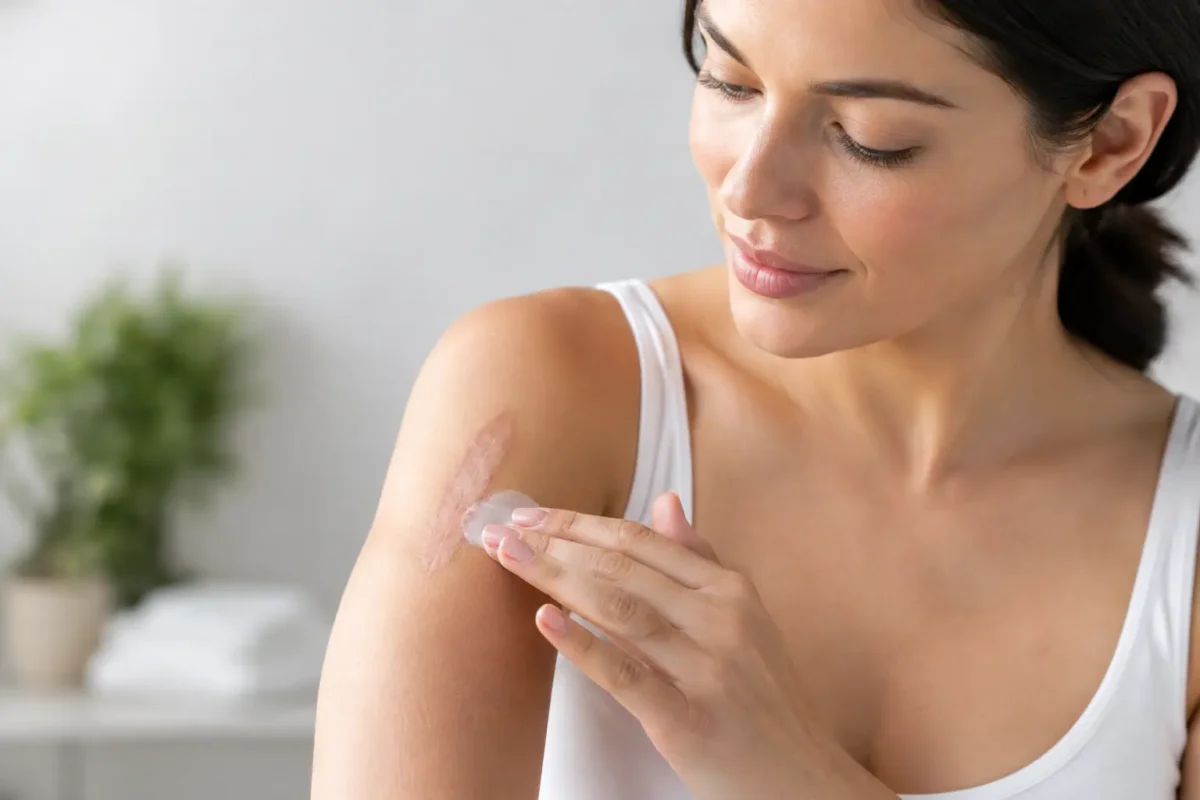
A Practical Guide to Post Operative Care

https://plasticsurgerynz.org/guide-to-post-operative-care/
July 5, 2026 - Stanley Loo -The first few days after surgery often feel less

The first few days after surgery often feel less predictable than the operation itself. Most patients expect some discomfort, swelling and tiredness, but what tends to matter most is knowing what is normal, what needs attention, and how to give your body the best chance to heal well. That is where a clear guide to post-operative care becomes genuinely useful.

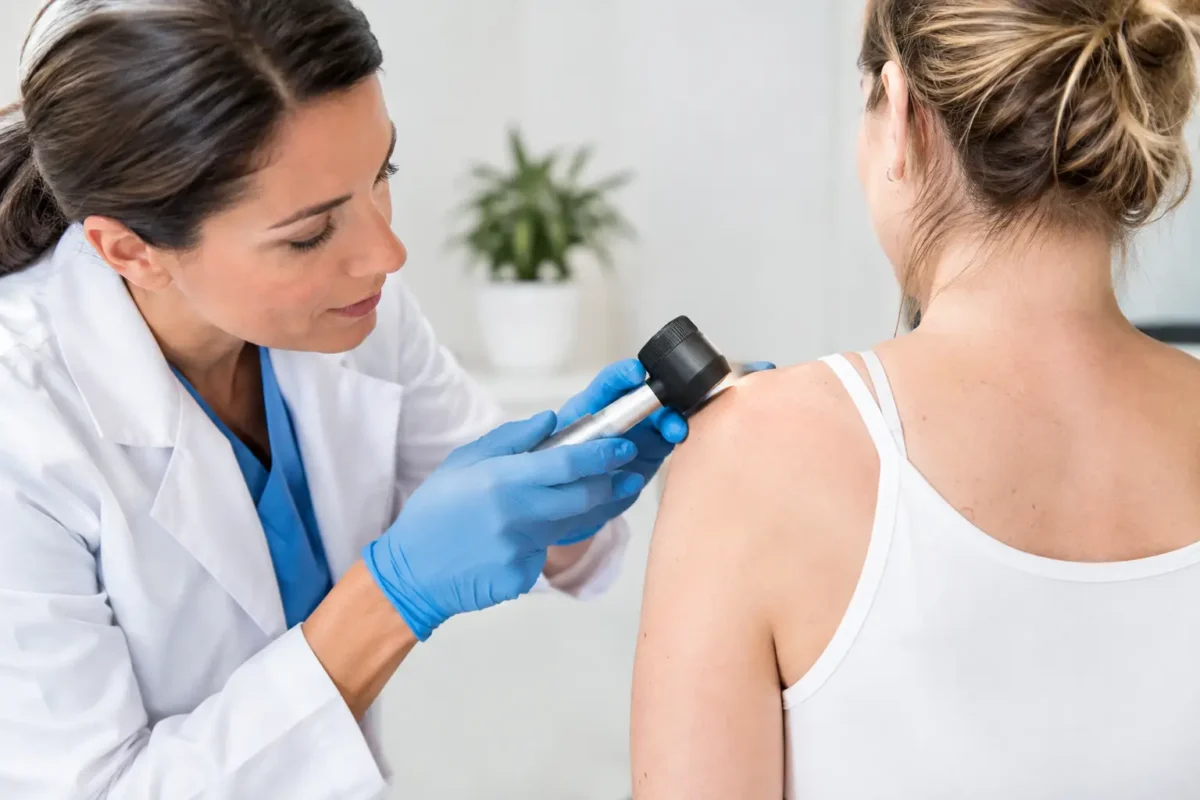
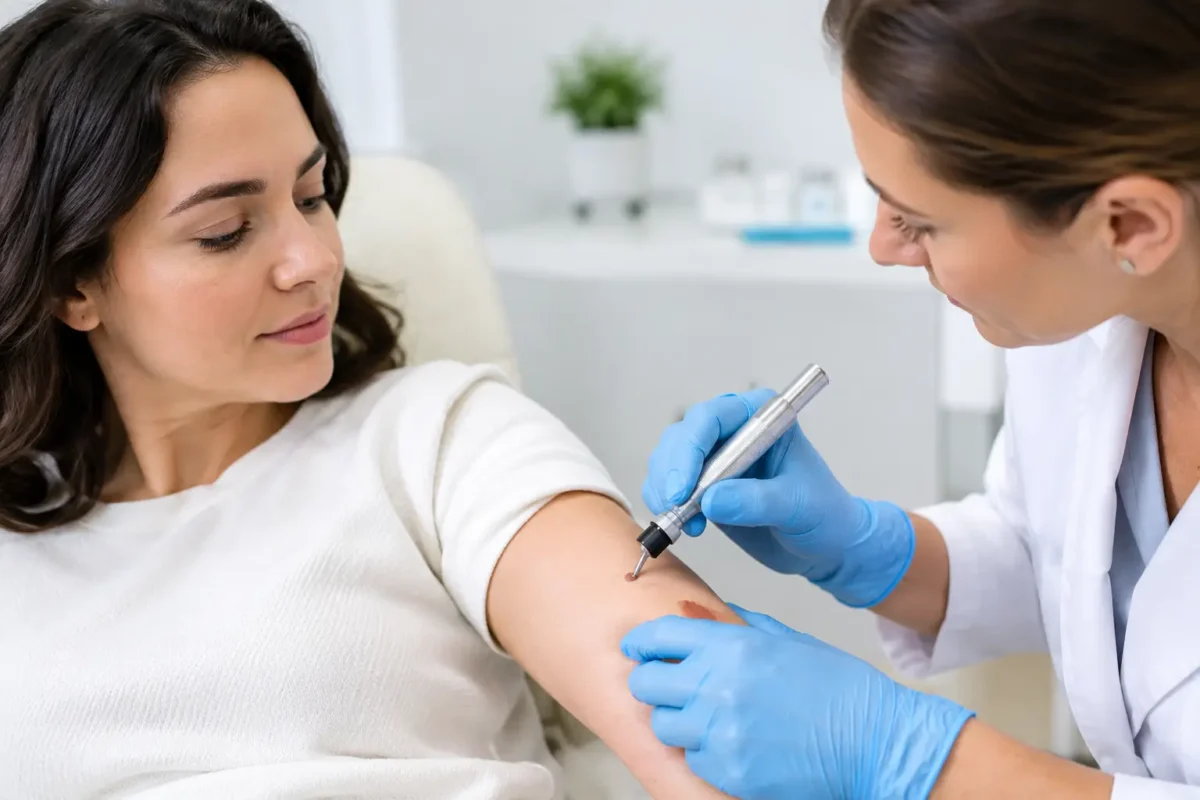
Recovery is not identical for every patient or every procedure. A person recovering from eyelid surgery, breast reduction, skin lesion removal or carpal tunnel release will have different restrictions, timelines and follow-up needs. Even so, the principles of good post-operative care are remarkably consistent. Careful wound management, sensible activity, hydration, medication compliance and early communication about concerns all help support safer healing and better long-term results.

Why good post-operative care matters

Surgery does not end when you leave theatre. The healing phase is part of treatment, and the quality of that recovery can influence comfort, scar quality, swelling, mobility and the final outcome. Good aftercare also helps reduce the risk of avoidable problems such as infection, wound breakdown, bleeding or delayed healing.

This is especially relevant in plastic, reconstructive and hand surgery, where both function and appearance matter. A well-performed operation still depends on the tissue settling properly afterwards. Dressings, compression garments, limb elevation, scar care and temporary activity restrictions may seem small compared with the surgery itself, but they play a meaningful role.

For many first-time patients, the main challenge is not coping with severe pain. It is uncertainty. Reassurance comes from having clear instructions and knowing that recovery often happens in stages rather than in a neat straight line.

A guide to post-operative care in the first 72 hours

The first 72 hours are usually when swelling, bruising and fatigue become more noticeable. It is also the period when patients are most likely to wonder whether what they are feeling is normal. In most cases, mild to moderate discomfort, a sense of tightness, sleep disruption and reduced energy are expected.

Pain relief should be taken exactly as advised. It is often easier to stay ahead of discomfort than to let pain build and then try to bring it back under control. Some patients only need simple analgesia, while others may require stronger medication for a short period. If pain feels suddenly worse rather than gradually improving, that deserves attention.

Rest is helpful, but complete immobility is not. Gentle movement around the house can support circulation and reduce stiffness, particularly after body surgery. The balance is important. Too much activity too early can increase swelling, bleeding and discomfort, while too little movement can leave you feeling more sore and sluggish.

Hydration also matters more than many people expect. Anaesthetic, pain relief, reduced appetite and lower activity can all contribute to dehydration or constipation. Small, regular meals and adequate fluids are often easier than trying to return immediately to your usual routine.

Wound care and dressings

Wound care instructions should always take priority over general advice, because closure methods and dressings vary between procedures. Some wounds are covered with waterproof dressings, some require regular cleaning, and others are best left undisturbed until review.

A common mistake is checking the wound too often. Repeatedly removing dressings or touching the area can irritate healing tissue and introduce bacteria. If your surgeon has advised leaving the dressing in place, that is usually the safest approach.

A small amount of spotting on a dressing can be normal. Persistent bleeding, increasing redness, offensive discharge or a wound that appears to be separating are not things to ignore. Similarly, swelling can be expected, but swelling that is rapidly increasing, very firm or associated with severe pain may need urgent review.

When showering is allowed depends on the procedure and dressing type. Patients should avoid assuming that if a dressing looks secure it is automatically waterproof. If there is any doubt, ask before getting the area wet.

Swelling, bruising and positioning

Swelling is one of the most common reasons patients worry, particularly after facial surgery, breast procedures, abdominoplasty or liposuction. In most cases, swelling peaks before it improves. That can feel discouraging, but it is a normal part of tissue recovery.

Positioning can make a real difference. Elevating the head after eyelid or facial surgery may help limit swelling. Elevating a hand after carpal tunnel release or trigger finger surgery can reduce throbbing and stiffness. After abdominal or breast surgery, patients may be advised to rest in a slightly flexed or supported position to reduce tension on the wound.

Bruising often looks worse before it fades. Colour changes from dark purple to green or yellow are part of the usual pattern. What matters more is whether the area is becoming progressively more painful, more swollen or unusually hot.

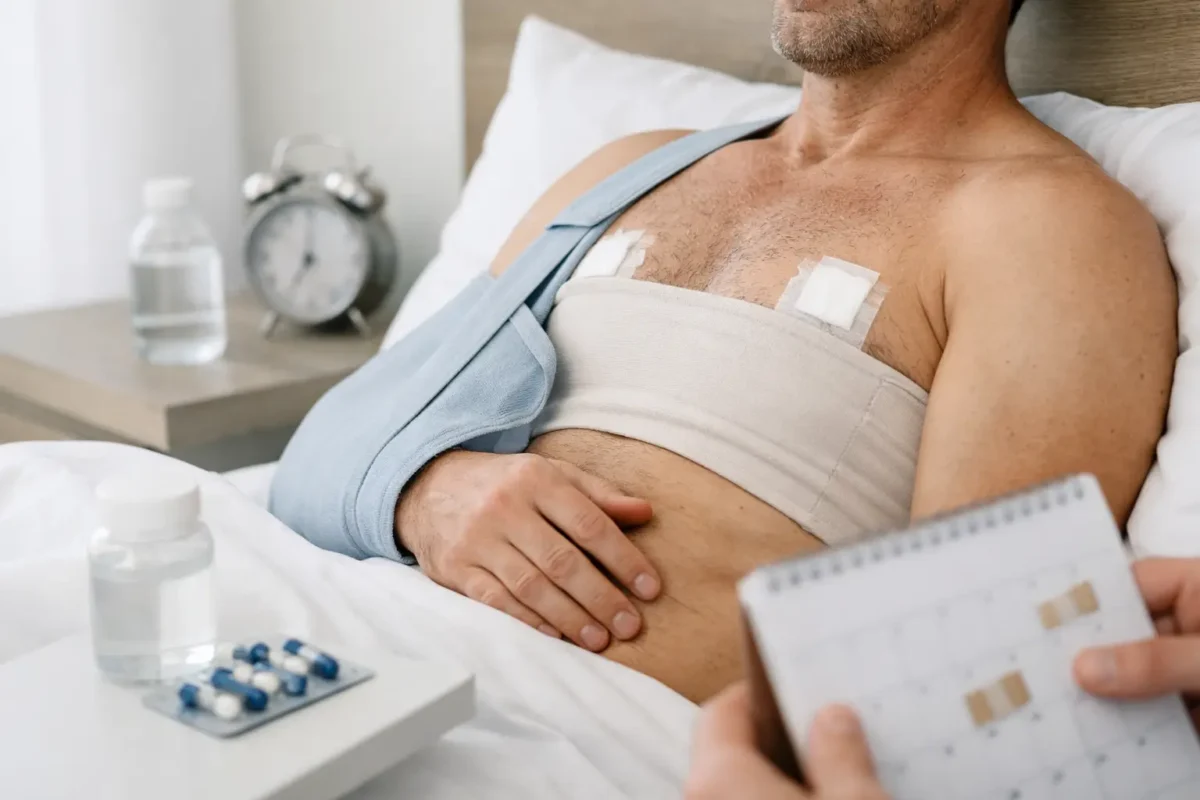
Compression garments, bras or splints should be worn exactly as directed. They are not merely for comfort. In some procedures they help support tissues, manage swelling and protect the surgical result while early healing takes place.

Activity, work and returning to normal routine

One of the most important parts of any guide to post-operative care is understanding that feeling better is not the same as being fully healed. Patients often return to normal tasks too early because the incision looks tidy or pain has eased. Internally, however, tissues may still be vulnerable.

Light walking is usually encouraged quite early, but strenuous exercise, heavy lifting, gym work and repetitive upper limb use may need to wait. The timeframe depends on the operation. Someone who has had lesion removal may return to daily activities quickly, while recovery after abdominoplasty or breast reduction is more structured and prolonged.

Work can also be difficult to predict. Office-based work may be possible sooner than physically demanding roles, but even desk work can be tiring in the early phase. It is wise to plan for some flexibility rather than setting a fixed date and feeling pressured to meet it.

Driving should only resume when you are no longer impaired by pain, restricted movement or medication, and when you can safely control the vehicle in an emergency. That decision should be practical rather than optimistic.

When to contact your surgical team

Most recoveries are straightforward, but patients should not feel they need to guess their way through a concern. Early contact is always preferable to waiting and hoping a worrying symptom settles by itself.

You should seek advice promptly if you develop increasing redness around a wound, fever, pus-like discharge, worsening pain not controlled by medication, significant bleeding, shortness of breath, calf pain, or sudden one-sided swelling. Depending on the procedure, there may be other specific warning signs your surgeon has discussed with you.

It is also reasonable to ask for reassurance about less urgent issues. Questions about bruising, dressing security, numbness, swelling or sleeping position are common. Good care includes clear communication, not just treatment of complications.

In a specialist practice such as Stanley Loo’s, post-operative support is designed to be part of the patient journey rather than an afterthought. That continuity can make recovery feel more manageable, especially for patients having surgery for the first time.

The emotional side of recovery

Patients are often prepared for physical discomfort but less prepared for the emotional ups and downs of recovery. Tiredness, frustration, temporary regret, impatience about swelling and concern about appearance are all common in the early period after surgery.

This does not mean something has gone wrong. It usually means you are in the middle of healing. Cosmetic and reconstructive results often take time to settle, and early appearances can be misleading. Scars mature, swelling reduces and tissues soften gradually.

What helps most is perspective. Recovery is rarely linear. Some days feel reassuring, and others feel slower than expected. Following instructions, attending review appointments and giving your body adequate time remain the safest approach.

Building good habits for better healing

The most effective post-operative care is often simple. Take your medication as prescribed, protect the wound, avoid smoking, eat well, keep follow-up appointments and ask when you are unsure. Patients sometimes look for one decisive action that will speed everything up, but healing usually responds best to consistency rather than shortcuts.

There are also trade-offs to recognise. Being very cautious with activity can protect healing, but too little movement may leave you stiff and slow to regain confidence. Wanting to see the wound can feel understandable, but too much interference can delay recovery. Good advice is tailored, which is why individual instructions should always come first.

A calm, informed approach gives you the best chance of a smooth recovery. If you treat aftercare as part of the procedure rather than something separate from it, you are already doing a great deal to support a safer, more comfortable result.

Categories
Breast Surgery

Gynaecomastia Surgery Recovery Timeline

https://plasticsurgerynz.org/gynaecomastia-surgery-recovery/
July 1, 2026 - Stanley Loo -Most men asking about gynaecomastia surgery are not only

Most men asking about gynaecomastia surgery are not only thinking about the operation itself. They want to know when they can get back to work, when the swelling settles, whether the chest will look natural, and how uncomfortable recovery is likely to be. Gynaecomastia surgery recovery is a gradual process rather than a single moment, and knowing what to expect can make the experience feel far more manageable.

Recovery varies from patient to patient because the procedure itself varies. Some men need liposuction alone, while others need gland removal, skin tightening, or a combination of techniques. Your starting anatomy, skin quality, general health, and the extent of surgery all influence how quickly you feel back to normal. That said, there are typical stages most patients move through.

What to expect after gynaecomastia surgery recovery begins

Immediately after surgery, it is normal to feel tightness across the chest, mild to moderate discomfort, and some grogginess from the anaesthetic. The chest usually looks swollen at first, and that early appearance is not the final result. Bruising, tenderness, and a sense of pressure are common in the first few days.

A compression garment is often an important part of the early recovery period. This helps reduce swelling, supports the tissues as they settle, and can improve comfort when moving around. It may feel unfamiliar at first, but most patients adjust to it quickly.

Drain usage depends on the surgical technique and the amount of tissue removed. If drains are used, they are usually temporary. Your surgeon will explain how long they are expected to stay in place and what level of drainage is considered normal.

It is also common for the chest to feel numb or patchy in sensation after surgery. This can be unsettling if you are not expecting it, but temporary numbness usually improves with time as the tissues recover.

The first week

The first week is focused on rest, light movement, and protecting the surgical area. Most patients are encouraged to walk gently around the house on the day of surgery or the following day, as this supports circulation and reduces the risk of complications associated with prolonged immobility. At the same time, the chest should not be strained.

During this period, discomfort is usually most noticeable in the first few days and then starts to ease. Pain is often described as soreness, tightness, or stiffness rather than severe pain. Prescribed or recommended pain relief is usually enough to keep symptoms under control.

Swelling and bruising tend to peak early. One side may appear more swollen than the other, and that does not always mean anything is wrong. Human bodies are not perfectly symmetrical, and healing is not either. A small degree of asymmetry early on is common.

Most patients will need time away from gym training, lifting, and strenuous activity. Depending on the nature of your work, you may be able to return to desk-based duties within several days, but physically demanding jobs usually require longer. If your role involves lifting, reaching, manual labour, or a lot of upper body movement, it is sensible to plan more recovery time.

Weeks two to four

By the second and third week, many men feel more comfortable and mobile. Bruising often starts to fade significantly, although residual swelling usually remains. This is the stage where patients sometimes expect the chest to look nearly finished, but healing is still very much underway.

The tissues beneath the skin may feel firm, lumpy, or uneven. This is often part of the normal healing response. Internal swelling and scar tissue formation can create temporary irregularities, even when the long-term result is expected to be smooth. These changes often soften gradually over the following weeks and months.

You may be advised to continue wearing compression for a set period, often for several weeks. The exact duration depends on the procedure performed and your surgeon’s preference. Following that advice matters, because seemingly small details during recovery can influence comfort, swelling, and the way tissues settle.

Light daily activities are usually easier by this stage, but chest workouts, contact sports, swimming, and heavy lifting are generally still restricted. Rushing back too early can increase swelling and may affect healing.

When can you exercise again?

This is one of the most common questions in gynaecomastia surgery recovery, and the answer depends on the type of exercise. Gentle walking usually starts early. More vigorous cardiovascular exercise may be allowed sooner than upper body resistance training, but this varies.

Weight training, press-ups, heavy lifting, and high-impact activity normally need to wait until the chest is more secure and the tissues have had time to heal. If gland excision has been performed, there is often more internal healing required than patients realise. Feeling well is not always the same as being ready.

For men who train regularly, this can be frustrating. Even so, patience usually pays off. A short period of reduced activity is preferable to causing bleeding, prolonged swelling, or disruption to the healing tissues. Your surgeon will advise when it is safe to increase activity and in what stages.

Swelling, scar tissue and final shape

One of the more difficult parts of recovery is that improvement is not always linear. The chest may look better one week and more swollen the next, particularly after increased movement or activity. This can be normal.

Swelling often settles in stages. The early reduction can be quite noticeable, but low-level swelling may persist for longer than expected. Final contour can take several months to declare itself fully. Skin contraction also takes time, especially in patients who had more significant fullness beforehand.

Scar tissue can temporarily create firmness under the nipple or in the lower chest. This does not necessarily mean the gynaecomastia has returned. In many cases, it is simply part of healing. The distinction matters, which is why follow-up appointments are valuable. They allow your progress to be assessed properly rather than guessed at in the mirror.

Scars themselves are usually placed as discreetly as possible, often around the edge of the areola if gland tissue has been removed directly. Early scars may appear pink or firm before softening and fading. Scar quality depends on surgical technique, genetics, skin type, and aftercare, so there is some natural variation.

Warning signs that need review

Most recoveries are straightforward, but patients should know what deserves attention. Increasing rather than improving pain, rapidly expanding swelling, significant bleeding, fever, spreading redness, or unexpected discharge from the wound should be reported promptly.

A fluid collection or bleeding under the skin can sometimes occur after chest surgery. These issues are not common, but early review is important if they are suspected. Good post-operative communication matters here. Patients should feel they know who to contact and when.

Less urgent concerns, such as ongoing firmness, mild asymmetry, or slow fading of swelling, are often best discussed at routine follow-up. Not every irregularity is a complication, and many settle without intervention.

Practical tips for a smoother recovery

A smooth recovery is helped by good preparation. Arrange time away from strenuous work, have comfortable loose clothing ready, and set up a place to rest where getting in and out is easy. Sleeping slightly elevated can help some patients feel more comfortable in the first few days.

Avoid smoking and nicotine exposure, as these can impair healing. Keep to the advice given about showering, wound care, compression, and activity restrictions. If medication has been prescribed, take it exactly as directed. Small lapses can create avoidable setbacks.

It also helps to keep expectations realistic. Surgery can improve chest contour significantly, but the early post-operative period rarely looks polished. The best results tend to reveal themselves gradually, not overnight.

The emotional side of recovery

Physical recovery gets most of the attention, but emotional adjustment matters too. Many men have lived with chest self-consciousness for years before seeking treatment. It is common to feel relief after surgery, but also moments of worry during the healing phase, particularly when swelling or unevenness temporarily disguises the result.

This is where clear guidance and proper follow-up make a real difference. An experienced specialist team will explain what is normal, what is not, and when patience is the right approach. In a consultant-led practice such as Stanley Loo’s, recovery is not treated as an afterthought. It is part of the procedure itself.

How long until you see the final result?

Most patients see meaningful improvement within the first few weeks, but final results usually take longer. A better outline in clothing may be noticeable fairly early, while the refined chest contour, softer tissues, and maturing scars continue to improve over several months.

If skin elasticity is good and the amount of tissue removed is modest, the chest may settle relatively quickly. If surgery was more extensive, or if the skin had been stretched for a long time, the process may be slower. Neither scenario is automatically better or worse. They are simply different patterns of healing.

The most useful mindset is to think of recovery as a series of milestones rather than a deadline. Early healing is about comfort and safety. The next stage is about swelling settling and confidence returning. The final stage is about the chest taking on its longer-term shape. Give your body that time, and judge progress over months rather than days.

Categories
Breast Surgery

Breast Reduction Back Pain Relief Explained

https://plasticsurgerynz.org/breast-reduction-back-pain-relief/
June 30, 2026 - Stanley Loo -By the time many women ask about breast reduction, they

By the time many women ask about breast reduction, they have often been managing discomfort for years – adjusting bras, changing posture, avoiding exercise, and putting up with daily pain that affects work, sleep, and confidence. Breast reduction back pain relief is one of the most common reasons patients seek advice, and for the right person, surgery can make a meaningful difference to comfort and quality of life.

Large, heavy breasts can place continuous strain on the neck, shoulders, and lower back. That strain is not always dramatic, but it can be relentless. Some women notice deep grooves from bra straps, tension headaches, skin irritation under the breasts, or numbness in the shoulders and upper back. Others find that ordinary activities such as walking quickly, exercising, or standing for long periods become increasingly uncomfortable.

How breast size can contribute to back pain

Back pain is rarely caused by one factor alone. Posture, muscle strength, occupation, previous injury, and body weight can all play a part. However, when breast tissue is disproportionately heavy, it can shift the body’s centre of gravity forwards. Over time, that may lead to compensatory changes in posture, with the shoulders rounding and the upper back and neck muscles working harder than they should.

This is why discomfort is often felt across more than one area. A patient may describe pain between the shoulder blades, aching in the lower back, tightness through the neck, and soreness from bra straps all at the same time. It is also common for women to reduce physical activity because movement becomes uncomfortable or embarrassing, which can then contribute to deconditioning and further musculoskeletal strain.

Breast reduction is not a treatment for every type of back pain, but where breast weight is a major contributing factor, reducing that weight can lessen the ongoing mechanical burden on the body.

Breast reduction back pain relief – how surgery may help

Breast reduction surgery removes excess breast tissue, fat, and skin to create breasts that are lighter and more proportionate to the frame. The aim is not simply cosmetic. For many patients, it is a functional procedure that can improve comfort, mobility, clothing fit, and ease of daily life.

The most direct reason for breast reduction back pain relief is simple: there is less weight pulling forwards on the chest wall, shoulders, and spine. With lighter breasts, many patients find they stand more comfortably, feel less tension in the upper body, and can be more active without the same level of discomfort.

Relief can extend beyond back pain alone. Some women notice less neck strain, fewer shoulder grooves, and improvement in rashes or chafing beneath the breasts. Exercise may feel more manageable, which can support broader health and wellbeing over time.

That said, expectations should be realistic. If back pain is largely related to a spinal condition, arthritis, disc problems, or longstanding muscular imbalance, surgery may help only partly. A careful assessment is important because good surgical outcomes depend not just on the operation itself, but on making sure the procedure is being offered for the right reasons.

Who may benefit most

Women considering breast reduction often describe a familiar pattern. Their breasts have felt disproportionately large for years, supportive bras provide only partial relief, and conservative measures have not solved the problem. They may avoid high-impact exercise, struggle to find clothing that fits properly, or feel that pain and heaviness have become part of normal life.

Patients who may benefit most are those with symptoms that clearly relate to breast size and weight. These can include chronic upper or lower back pain, neck and shoulder discomfort, bra strap grooving, recurrent skin irritation, and limitations with exercise or physical work. Emotional and practical factors matter too. Feeling self-conscious, restricted in clothing choices, or persistently uncomfortable in one’s body can also weigh heavily on daily life.

A consultation helps determine whether symptoms are likely to improve with surgery. This involves discussing overall health, breast size and shape, skin quality, previous treatments, future pregnancy plans, weight stability, and any medical issues that might affect healing.

What to expect from the procedure

Breast reduction is performed under general anaesthetic. The precise technique varies depending on breast size, breast shape, skin excess, and the desired outcome. In most cases, the nipple is repositioned to a more suitable height while excess tissue and skin are removed, then the breast is reshaped.

Scars are an inevitable part of the operation, and they should be discussed openly before surgery. Although scars usually fade with time, they do not disappear completely. Most patients feel this trade-off is worthwhile when weighed against long-term relief from heaviness and discomfort, but it remains an important part of informed consent.

Recovery also needs planning. There is usually soreness, swelling, and tiredness in the first days after surgery, followed by a gradual return to normal routine over several weeks. Most patients need a period away from strenuous activity and must wear supportive post-operative garments as advised. Careful follow-up matters, as does access to clear post-operative guidance.

How quickly does pain relief happen?

Many women feel a sense of physical lightness soon after surgery, even during the early recovery period. However, it is sensible to allow time before judging the full benefit. In the first few weeks, the body is healing, posture is still adjusting, and swelling can temporarily affect comfort.

Back and shoulder symptoms often improve progressively as recovery continues. Some patients notice a clear difference early on, while others improve more gradually as they return to daily movement and rebuild confidence with activity. If there has been longstanding muscular tension or poor posture over many years, the body may need time to adapt to its new balance.

This is one reason why breast reduction should be seen as part of a broader recovery process rather than a quick fix. Good support, sensible activity progression, and sometimes physiotherapy or posture work can all help patients get the most from surgery.

Limits, risks, and important trade-offs

An honest discussion about breast reduction should include both benefits and limitations. Surgery can be highly effective, but it is still surgery. Risks include bleeding, infection, delayed wound healing, changes in nipple sensation, asymmetry, prominent scarring, and the possibility of needing further treatment.

There can also be effects on future breastfeeding. Some women are still able to breastfeed after breast reduction, while others are not, and this should be considered carefully if future pregnancy is planned. Weight changes, hormonal changes, and ageing may also alter breast shape over time.

From a pain perspective, it is also worth remembering that not every ache is caused by breast size. If someone has significant spinal pathology or a separate chronic pain condition, breast reduction may improve part of the problem rather than all of it. A careful surgeon will be clear about that.

Breast reduction back pain relief and the consultation process

The best consultations are not sales conversations. They are detailed, practical, and centred on whether surgery is appropriate for the individual patient. When discussing breast reduction back pain relief, a specialist should explore where the pain is felt, how long it has been present, what treatments have already been tried, and whether there are other possible causes.

Measurements, photographs, and a physical examination help with planning. Just as importantly, the consultation should cover expected breast size after surgery, likely scars, recovery time, possible complications, and the sort of result that is realistic for your frame and tissue characteristics.

This is where a specialist, consultant-led approach matters. Patients often feel more confident when they understand not only what the operation involves, but why a particular plan has been recommended for them. In a practice such as Stanley Loo’s, that emphasis on education, safety, and attentive follow-up is central to helping patients make informed decisions.

Is surgery the right next step?

For some women, breast reduction is life-changing. For others, the right next step may be further assessment of back pain, weight management, physiotherapy, or simply more time to think. There is no benefit in rushing a decision that deserves proper consideration.

A useful question is not just, “Could surgery help?” but “Are my symptoms, goals, and expectations aligned with what surgery can realistically achieve?” If the answer is yes, breast reduction can offer more than a change in shape. It can reduce daily physical strain, make movement easier, and allow life to feel less dominated by discomfort.

If heavy breasts are affecting your back, shoulders, posture, or ability to stay active, seeking specialist advice is a sensible first step. The aim is not to promise perfection, but to understand whether a well-planned operation could help you feel more comfortable in your body for years to come.

Categories
Breast Surgery Cosmetic Surgery

10 Breast Augmentation Recovery Tips

https://plasticsurgerynz.org/breast-augmentation-recovery-tips/
June 29, 2026 - Stanley Loo -The first few days after surgery are usually the point

The first few days after surgery are usually the point where questions become very real. How much tightness is normal? When can you lift your arms properly again? Is this amount of swelling expected? Good breast augmentation recovery tips are not about rushing the process. They are about helping you heal safely, comfortably, and with realistic expectations.

Recovery after breast augmentation is rarely identical from one patient to the next. Your healing can be influenced by implant size, implant placement, your natural tissue characteristics, your general health, and how your body responds to surgery. That is why clear post-operative guidance matters so much. A calm, steady recovery nearly always comes from doing the simple things well.

Breast augmentation recovery tips that matter most

The most useful advice is often the least glamorous. Rest properly, follow your surgeon’s instructions closely, and avoid testing your limits too early. Many patients feel better before their tissues have fully recovered, which can create a false sense that normal activity can resume straight away.

In the early stage, swelling, tightness, pressure across the chest, and mild asymmetry are all common. The breasts may sit higher than expected at first, and movement can feel awkward. This does not mean anything is wrong. It means healing is under way.

1. Prioritise rest, but keep gentle movement

Rest is essential, especially in the first week, but complete inactivity is not the goal. Short walks around the house can help circulation and reduce the risk of stiffness. Gentle movement also tends to make patients feel more comfortable than staying in one position all day.

What matters is the balance. Walking is helpful. Lifting, stretching overhead, pushing yourself up sharply from bed, and carrying shopping bags are not. If an activity strains the chest, upper arms, or shoulders, it is probably too much too soon.

2. Take pain relief exactly as advised

Trying to “push through” discomfort is not a good recovery strategy. Pain relief works best when taken as directed, rather than waiting until discomfort becomes difficult to manage. If you have been prescribed antibiotics or any additional medication, complete the course exactly as instructed.

It is also sensible to avoid adding over-the-counter medicines without checking first. Some products can increase bleeding risk or interfere with your post-operative plan. If you are unsure, ask your surgical team rather than guessing.

3. Sleep in a position that protects healing

Sleep can be surprisingly awkward after breast augmentation. Most patients are advised to sleep on their back with the upper body slightly elevated for a period after surgery. This can help reduce swelling and avoid pressure on the chest.

Side sleeping may feel tempting once soreness begins to settle, but returning to it too early can place strain on healing tissues. The exact timeframe varies, so personalised advice from your surgeon should always come first. Preparing a comfortable sleeping area in advance, with extra pillows nearby, often makes the first week much easier.

Caring for your wounds and support garments

Incision care is one area where following instructions precisely matters. Dressings, showering guidance, and scar care recommendations can vary depending on surgical technique and how healing is progressing. A friend, online forum, or previous patient may mean well, but their advice may not match your treatment plan.

Your support bra or post-operative garment is there for a reason. It helps support healing tissues, manage swelling, and improve comfort. If you have been told to wear it day and night, do so. Removing it too often, or switching to a different bra because it feels more flattering, can be unhelpful in the early stages.

4. Do not underestimate swelling and tightness

One of the most common concerns after surgery is the feeling that the chest is overly firm or the implants look too high. Early swelling can be significant, and the muscles and tissues may feel tight, particularly if implants are placed beneath the muscle.

This stage requires patience. Shape changes over weeks and sometimes months. The breasts often soften and settle gradually. Looking at them too critically every day can create unnecessary anxiety, especially when normal post-operative changes are mistaken for problems.

5. Wear the right support, not the prettiest option

During recovery, support matters more than appearance. Underwired bras are usually avoided for a time, and soft, well-fitted post-surgical support is generally preferred. A poorly fitted bra can irritate incisions or place pressure in unhelpful areas.

If you are unsure whether your garment feels right, mention it at your review appointment. Small adjustments can make a meaningful difference to comfort.

Knowing when to slow down

Patients often ask when they can drive, return to work, go to the gym, or lift children. The honest answer is that it depends. A desk-based role may be manageable sooner than a physically demanding job. Gentle walking returns well before upper-body exercise. Driving depends not just on pain, but on your ability to react quickly and safely.

6. Return to activity gradually

Doing too much too soon can increase swelling, discomfort, and the risk of complications. The chest and shoulders are involved in more movements than many people realise, so even ordinary tasks can place stress on healing tissues.

If you feel well, that is encouraging, but it is not the same as being fully healed. Exercise should be reintroduced in stages, and heavy lifting usually needs to wait. High-impact workouts, swimming, and upper-body training generally require specific clearance from your surgeon.

7. Be careful with children, pets, and household tasks

This is one of the most overlooked breast augmentation recovery tips. Real life is often more demanding than formal exercise. Lifting a toddler, pulling a heavy door, vacuuming, reaching into high cupboards, or being jumped on by an enthusiastic dog can all strain the chest unexpectedly.

If possible, arrange help in advance for the first one to two weeks. Patients who plan for this period tend to recover more comfortably than those who assume they will “manage somehow”.

Food, hydration, and healing

Your body needs energy and fluid to recover well. Regular meals, good hydration, and adequate protein can support tissue repair and help you feel steadier overall. Appetite can dip for a short time after surgery, particularly if you feel tired or slightly nauseated, but small, simple meals are often easier than skipping food altogether.

8. Avoid smoking and be cautious with alcohol

Smoking is particularly unhelpful during surgical recovery because it reduces blood flow and can impair wound healing. If you smoke, stopping before and after surgery is one of the most valuable decisions you can make for recovery and scar quality.

Alcohol also deserves caution. It can contribute to dehydration, interact with medications, and make it harder to judge your activity level sensibly in the early days. A short period of restraint is worthwhile.

When to ask for advice

A smooth recovery does not mean every day feels the same. Some days you will feel noticeably better, and on others you may feel more swollen or tired, particularly if you have done a little too much. That can be normal. What matters is recognising the difference between expected healing and warning signs.

9. Know the symptoms that should prompt a call

Contact your surgical team promptly if you develop increasing redness, worsening swelling on one side, significant bleeding, fever, severe pain that is not controlled by medication, shortness of breath, or any sudden change that concerns you. It is always better to ask early than to wait and worry.

Patients sometimes hesitate because they do not want to be a nuisance. In a well-run specialist practice, post-operative questions are part of your care. Reassurance is useful when things are normal, and early review is important when they are not.

10. Keep follow-up appointments and be honest

Review appointments are not just formalities. They allow your surgeon to assess healing, check implant position, review wounds, and advise on the next stage of recovery. If something feels uncomfortable, uneven, or simply not as you expected, say so.

The most helpful recovery conversations are often very practical. Can you sleep on your side yet? Is that pulling sensation normal? When can you wear a regular bra again? Personalised answers are more valuable than generic timelines.

A realistic mindset helps recovery too

Many patients focus heavily on the final result before surgery, then feel unsettled when they do not look “finished” afterwards. That is understandable. Breast augmentation recovery involves a transition period where the body is healing but the final shape has not yet emerged.

Try to judge progress over weeks rather than days. Photographs taken at sensible intervals can be more useful than frequent mirror checks. If your procedure has been performed under the care of an experienced specialist with proper aftercare, time is usually an important part of the result.

At Stanley Loo’s practice, recovery guidance is treated as an essential part of treatment, not an afterthought. That matters because good surgery and good aftercare work together.

If you are preparing for breast augmentation, the best approach is a simple one: make space to rest, follow instructions carefully, and give your body permission to heal at its own pace. Recovery is not a test of toughness. It is part of the procedure, and it deserves the same care as every other step.

Categories
Cosmetic Surgery Eyelid Surgery

Asian Blepharoplasty Before and After

https://plasticsurgerynz.org/asian-blepharoplasty-before-and-after/
June 28, 2026 - Stanley Loo -A good set of asian blepharoplasty before and after photos

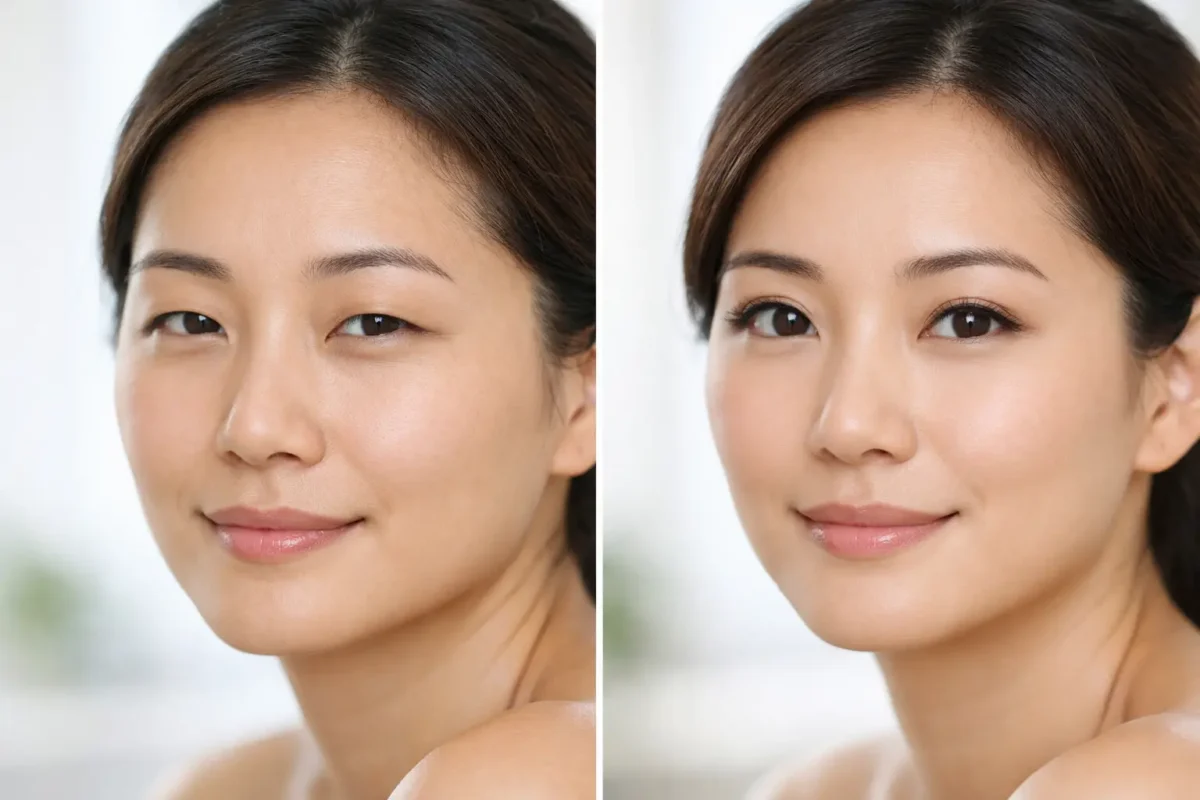
A good set of asian blepharoplasty before and after photos should do more than show a crease. They should show balance, symmetry, and an eyelid shape that still looks like you. For many patients, that is the real question – not whether the eyes look different, but whether the result looks natural, comfortable, and in keeping with their facial features.

Asian blepharoplasty is a highly individual procedure. It is designed to create or refine an upper eyelid crease while respecting the natural anatomy of the eyelid, brow, and surrounding tissues. The aim is not to make the eyes look rounder or more Western. A well-planned result should preserve ethnic identity and suit the patient’s own proportions.

What asian blepharoplasty before and after really shows

Before and after images can be useful, but only if they are interpreted carefully. Lighting, facial expression, swelling, and even make-up can change how results appear. More importantly, two patients may request a similar change and still need very different surgical plans.

In the before stage, the surgeon is assessing far more than whether a natural crease is present. Skin thickness, fat volume, levator function, asymmetry, brow position, and the height of any existing fold all matter. Some patients have no visible supratarsal crease. Others have a low or uneven crease, excess fullness, or an eyelid shape that makes eye make-up difficult to apply evenly.

In the after stage, the most successful result is often the one that does not look obviously operated on. The crease should be appropriately placed, the eyes should open comfortably, and the eyelids should remain harmonious with the rest of the face. A very high crease may look striking in a photo, but it can also appear unnatural on the individual. This is where experience and restraint matter.

Why results vary from person to person

There is no single “ideal” asian blepharoplasty result. Preferences differ, and anatomy differs even more. Some patients want a very subtle change that gives a more defined eyelid platform. Others prefer a slightly more visible crease to improve make-up application or reduce a heavy, puffy appearance.

The starting anatomy influences what is possible. A patient with thicker upper eyelid skin and fuller preaponeurotic fat may need a different technique from someone with a naturally fine eyelid and a faint existing crease. If there is asymmetry before surgery, improvement is realistic, but perfect mirror-image symmetry is not always achievable. Honest discussion about this is part of safe surgical planning.

Age also plays a role. Younger patients may seek crease formation alone, while older patients may have additional concerns such as skin redundancy, drooping, or brow descent. In those cases, the “after” result may depend on whether the plan includes skin excision, ptosis correction, or a more conservative approach to avoid an overdone appearance.

Surgical technique matters

Asian blepharoplasty is not one operation performed the same way every time. The technique is chosen according to anatomy, goals, and tissue characteristics.

For some patients, a suture-based method may be appropriate. This can suit carefully selected individuals with thin skin, minimal excess tissue, and a desire for a less invasive approach. The recovery may be quicker, but the fold may also be less durable in some cases.

For others, an incisional technique is more suitable. This allows more precise crease creation and, where needed, adjustment of skin, muscle, or fat. It is often the better option when there is significant fullness, asymmetry, or a need for long-term definition. That does not mean it should be aggressive. Removing too much tissue can create a hollow or tight-looking eyelid, which is difficult to reverse.

A thoughtful surgeon will explain why one method is recommended over another. The best technique is not the one that sounds simplest. It is the one that gives the safest route to a stable, natural result.

The first few weeks after surgery

Patients are often surprised by how different early recovery looks from final healing. Immediately after surgery, the eyelids are usually swollen. There may be bruising, mild tightness, and some asymmetry while the tissues settle. This is normal.

In the first week or two, the crease can look higher, deeper, or more pronounced than expected. That does not mean the final result will stay that way. Swelling can distort the shape temporarily, and each eyelid may settle at a slightly different pace. This is one reason early before and after comparisons can be misleading.

Most patients start to look more presentable within a few weeks, but refinement continues beyond that point. The scar line generally fades over time, and the crease softens as healing progresses. Final results often take several months to declare themselves fully.

Careful aftercare matters here. Following wound care instructions, sleeping with the head elevated, using cold compresses as directed, and avoiding activities that increase swelling can all support recovery. Just as important is attending follow-up appointments so healing can be monitored properly.

What makes a result look natural

A natural result is usually defined by proportion, not by how visible the crease is. The height of the fold should suit the patient’s anatomy. The shape should flow with the lash line and upper eyelid contour. The eyelid should still look soft.

The after result should also fit the patient’s broader facial features. A crease that is too high or too sharply carved may draw attention to the surgery rather than the face itself. In contrast, a lower, well-designed fold often gives the eyes more definition without changing the person’s character.

This is especially important for patients who want improvement without looking dramatically altered. Many are not seeking a completely new appearance. They want to look fresher, less puffy, or more balanced. In those cases, subtle surgery is often the most effective surgery.

Questions to ask when reviewing before and after photos

Photos are helpful, but they should never replace consultation. When you review asian blepharoplasty before and after examples, ask whether the patients shown have anatomy similar to your own. A result that looks excellent on one face may not suit another.

It is also worth asking how long after surgery the photos were taken. Early images may still show swelling. Late images give a better sense of scar maturation and crease stability.

You should also look beyond the fold itself. Do the eyelids look balanced? Is there any sign of hollowness, excessive tightness, or visible scarring? Does the result appear elegant and believable at rest, rather than simply dramatic in a posed image? These details often tell you more than the headline change.

The consultation is where the real planning happens

A careful consultation is the safest way to understand what your own before and after might look like. This is where your goals, anatomy, and expectations can be assessed properly. It is also where concerns about recovery, scarring, asymmetry, and longevity should be discussed openly.

For first-time surgery patients, this conversation is often reassuring. Good surgical care is not about persuasion. It is about making sure you understand the likely outcome, the limitations, and the recovery process before making a decision.

At a specialist practice such as Stanley Loo’s, that means consultant-led assessment, a personalised operative plan, and clear post-operative guidance. For a procedure as nuanced as asian blepharoplasty, that level of detail matters.

Setting realistic expectations

The best before and after results usually come from realistic expectations rather than dramatic promises. Surgery can improve crease definition, eyelid contour, and symmetry, but it cannot make two eyelids mathematically identical or stop the normal ageing process.

It is also worth remembering that your own perception may change during recovery. In the early stages, patients often focus on small differences that settle with time. Patience is part of the process. A calm, measured review over several weeks and months is far more useful than judging the result too soon.

Choosing surgery for the right reasons matters as well. If your goal is to feel more confident in your appearance, improve make-up application, or address a long-standing concern about eyelid shape, the procedure can be very rewarding. If your aim is to copy someone else’s eyes exactly, the conversation needs more care.

Asian blepharoplasty can produce refined, elegant change when it is based on your anatomy rather than a generic template. The most meaningful before and after is the one that leaves you looking rested, balanced, and recognisably yourself.

Categories
Cosmetic Surgery Eyelid Surgery

Eyelid Surgery Recovery Time Explained

https://plasticsurgerynz.org/eyelid-surgery-recovery-time/
June 27, 2026 - Stanley Loo -Most patients are less worried about the operation itself

Most patients are less worried about the operation itself than the days that follow it. When people ask about eyelid surgery recovery time, they usually want to know two things – how long they will look bruised, and how long it will take before life feels normal again.

The honest answer is that recovery happens in stages. Blepharoplasty is usually very well tolerated, but healing is not identical for every patient. Your age, skin quality, general health, whether upper or lower eyelids are treated, and how closely you follow post-operative instructions can all influence the pace of recovery.

What affects eyelid surgery recovery time?

Eyelid surgery recovery time is often shorter than patients expect, but it is still real surgery. The eyelid area has a very good blood supply, which supports healing, yet that same feature can make swelling and bruising more noticeable in the first week.

Upper eyelid surgery on its own often settles more quickly than lower eyelid surgery, particularly if the lower lids require more extensive work. A small skin excision may have a simpler recovery than surgery involving fat repositioning or tightening of deeper structures. If upper and lower eyelids are treated together, recovery can be a little more involved, even if the final result is very worthwhile.

Individual healing matters as well. Some patients bruise very little and feel comfortable going out after a week. Others look puffy for longer, despite doing everything right. This is normal and not usually a sign that anything is wrong.

The first 48 hours

The first two days are usually the period when swelling starts to peak. The eyelids can feel tight, tender, watery, or slightly gritty. Vision may be a little blurred at times, often because of ointment, watering, or mild swelling rather than a problem with the eye itself.

Cold compresses, rest, and keeping your head elevated are commonly recommended during this phase. These simple measures can make a meaningful difference to swelling and comfort. Most patients do not describe the recovery as severely painful, but the area can feel uncomfortable and heavy.

This is also the stage when planning ahead helps most. It is sensible to arrange a few quiet days at home, avoid unnecessary activity, and have someone available to drive you after surgery and assist if needed.

Days 3 to 7

For many patients, bruising and swelling are most obvious during the first week. The eyelids may look uneven from one side to the other, and that can be unsettling if you are not expecting it. Early asymmetry is common because each side heals at its own pace.

If you have stitches, these are often removed within about a week, depending on the surgical technique used. By this point, many patients are already more comfortable and can see that the eyelids are beginning to settle, even though they are still far from the final result.

Reading, screen use, and watching television are usually possible in moderation, but the eyes may tire more quickly. It is usually wise to avoid strenuous exercise, bending, heavy lifting, and anything else that increases pressure and swelling around the eyes.

Week 2 of eyelid surgery recovery time

This is the point when many patients start to feel more like themselves. Much of the obvious bruising has often faded, and swelling is usually improving. Some people feel comfortable returning to work after 7 to 10 days, especially if their role is not physically demanding. Others prefer closer to two weeks, particularly if they have a public-facing job or are prone to bruising.

Make-up can often help conceal residual bruising once your surgeon confirms it is safe to use. Even so, the eyelids may still look pink, slightly swollen, or firmer than expected. That does not mean recovery is delayed. It simply means healing is still active.

If you wear contact lenses, you may need to wait until the eyelids are comfortable enough and your surgeon advises that it is appropriate. In the early period, glasses are often the easier option.

Weeks 3 to 6

By this stage, most of the social recovery is usually behind you. Patients often feel comfortable attending events, returning fully to work, and resuming more of their normal routine. Light exercise may have restarted earlier, but more vigorous activity is usually reintroduced gradually and only in line with your specific post-operative advice.

The scars continue to mature during this period. On the upper lids, incisions are usually placed within the natural crease, which helps them become less noticeable over time. Early scar redness or firmness can improve steadily over several weeks and months.

This is also when expectations need to stay realistic. You may look much better at three or four weeks than you did in week one, but that still may not be your final outcome. Subtle swelling can persist longer than patients realise, especially in the mornings.

When will I look normal again?

This is one of the most common questions, and it depends on what you mean by normal. Socially, many patients feel presentable at 10 to 14 days. From a healing point of view, recovery continues beyond that. It is quite common for mild swelling, sensitivity, or small differences between the eyelids to keep improving over several months.

If your work involves physical effort, dusty environments, or long hours without rest, your return may need a little more planning. If your work is office-based, you may be back sooner. A consultation is the right place to discuss how your job, commute, and home responsibilities may affect your recovery timetable.

What can slow recovery?

Smoking is a major factor. It reduces blood flow and can impair wound healing, which is particularly relevant in delicate facial tissues. Patients are usually advised to stop smoking well before surgery and throughout recovery.

Medical conditions can matter too. Dry eye symptoms, thyroid eye disease, bleeding tendencies, and certain medications may alter both suitability for surgery and the recovery experience. This is one reason careful pre-operative assessment is so important.

Trying to do too much too soon can also prolong swelling. Even when patients feel surprisingly well, the tissues are still healing. Returning early to intense exercise, bending, lifting, or rubbing the eyes can set recovery back.

Signs that need prompt review

Some swelling, bruising, tightness, watering, and mild discomfort are expected. However, severe pain, rapidly increasing swelling, heavy bleeding, marked redness, or any sudden change in vision should be assessed urgently. These problems are not typical and should not be ignored.

Good aftercare is not just about comfort. It is about safety. A specialist-led practice should give clear instructions on what is normal, what is not, and how to get help if you are concerned.

How to make recovery smoother

The best recoveries are rarely accidental. They usually come from good preparation, careful surgery, and patients following advice closely afterwards. Resting with your head elevated, using cold compresses as directed, avoiding smoking, taking medication exactly as prescribed, and attending follow-up appointments all support better healing.

It also helps to plan for the social side of recovery. If you know you have an important event, family commitment, or work deadline, it is sensible to schedule surgery with adequate time to recover rather than hoping bruising will fade quickly enough.

At Stanley Loo’s practice, this type of planning is part of the wider consultation process. Patients tend to feel more confident when they understand not only the operation, but the recovery pathway that follows it.

A realistic timeline to keep in mind

For most patients, the practical outline is straightforward. Expect the first week to be the most visible phase of healing. Expect noticeable improvement by the second week. Expect to look socially presentable before you feel fully healed. And expect the finer changes – settling of swelling, scar maturation, and refinement of the result – to continue for longer.

That can be reassuring rather than frustrating. Recovery is not a single finish line. It is a gradual process, and the best results often reward patience.

If you are considering blepharoplasty, the most useful question is not simply how many days recovery takes. It is whether you have clear, personalised advice about what your own recovery is likely to involve.

Categories
Cosmetic Surgery Plastic Surgery

Cosmetic Surgery Recovery Timeline Guide

https://plasticsurgerynz.org/cosmetic-surgery-recovery-timeline/
June 26, 2026 - Stanley Loo -The question most patients ask after choosing a procedure

The question most patients ask after choosing a procedure is not only how they will look, but how long recovery will take. A realistic cosmetic surgery recovery timeline can make the difference between feeling prepared and feeling unsettled, particularly if this is your first operation. Recovery is rarely a straight line. Swelling, bruising, tiredness, tightness and temporary asymmetry can all be normal at different stages, and each procedure brings its own pace.

What matters most is understanding the broad pattern, while recognising that your timeline depends on the operation itself, your general health, your skin quality, whether multiple procedures are combined, and how closely post-operative instructions are followed. Good preparation helps, but patience matters just as much.

What shapes a cosmetic surgery recovery timeline?

Two patients can have the same operation and recover at slightly different speeds. Age, smoking history, medical conditions, medications, activity levels and even how your body tends to bruise can all influence healing. A shorter operation on a smaller area, such as upper eyelid surgery, usually settles more quickly than a more involved procedure such as abdominoplasty or breast reduction.

The extent of correction also matters. A conservative rhinoplasty may recover differently from a more complex reshaping. Liposuction to one small area is different from treatment across several regions. This is why a surgeon should give you a personalised recovery plan rather than a one-size-fits-all promise.

The first 48 hours

This is usually the stage when discomfort, swelling and fatigue are most noticeable. Most patients feel drowsy on the day of surgery and may need help at home, especially after general anaesthetic. It is common to feel tight, sore or puffy rather than in severe pain, although the exact experience varies by procedure.

During this early window, rest is important, but complete immobility is not usually advised. Gentle walking around the house can support circulation. Dressings, compression garments or surgical bras may need to stay in place continuously. You may also notice drainage, numbness or an uneven appearance. These early changes are often expected and do not reflect the final result.

Sleep can be awkward at first. Patients recovering from facial surgery often need to keep the head elevated, while those recovering from breast or abdominal surgery may need to avoid certain positions. Planning this in advance can make the first nights much easier.

Days 3 to 7

For many procedures, bruising and swelling peak around this point before they begin to settle. This can be the stage when patients feel impatient, because they are mobile enough to notice everything but still far from the final appearance. Facial surgery may look more dramatic before it improves. Body surgery may feel tighter and more restrictive than expected.

If you have had blepharoplasty, otoplasty or a minor skin procedure, you may already feel significantly better by the end of the first week. If you have had rhinoplasty, breast surgery, liposuction or abdominoplasty, this period is still early recovery. You may be walking more comfortably, but lifting, stretching and driving may still be limited.

Follow-up appointments often take place during this stage. These reviews are important because they allow your surgeon to check wound healing, manage dressings and answer concerns before small issues become larger ones.

Weeks 2 to 3

This is often the point when patients begin to feel more like themselves in daily life. Many people return to desk-based work somewhere within this period, depending on the procedure and how physically demanding their role is. Bruising may be fading, though residual swelling can remain obvious to you even if others do not notice it.

The trade-off at this stage is that feeling better can tempt people to do too much too soon. That is a common cause of setbacks. Heavy lifting, strenuous exercise, forceful stretching and returning to full routine ahead of advice can increase swelling and may compromise healing.

For facial procedures, social recovery and tissue recovery are not the same thing. You may feel comfortable being seen in public before the tissues have fully settled. For body procedures, clothing may fit more comfortably by now, but swelling can still fluctuate through the day.

Weeks 4 to 6 in the cosmetic surgery recovery timeline

By one month, a substantial amount of early healing has usually taken place. This is the stage when many patients feel encouraged. Incisions are maturing, mobility is improving and day-to-day discomfort is often much less. That said, this is not the finish line.

After breast augmentation or reduction, shape and position may still continue to change. After abdominoplasty, tightness and swelling often persist beyond the first month. After rhinoplasty, the bridge may look improved while the tip remains swollen for much longer. Liposuction results can also appear uneven or firm during this period as swelling resolves and tissues settle.

If you have had a smaller procedure, such as lesion removal or limited scar revision, recovery may be largely complete by this point apart from scar maturation. More extensive operations continue to evolve over months, not weeks.

Months 2 to 3

This is often where the result begins to look more natural. Swelling is usually reduced enough for better contour assessment, and scars may start to soften, though they can still be pink or firm. Energy levels are typically back to normal, and most patients have resumed ordinary routines, including more regular exercise if cleared to do so.

This phase can also bring questions about symmetry, firmness or small contour irregularities. Often, these are part of the normal settling process. Breasts may sit higher than expected before they soften. The nose may feel stiff. The abdomen may still feel numb. Areas treated with liposuction can remain tender or slightly lumpy for a time.

What patients sometimes find surprising is that internal healing continues long after the skin appears healed. Feeling well does not always mean the deeper tissues are fully settled.

When do final results appear?

The honest answer is that it depends on the procedure. Eyelid surgery may look largely settled within several weeks, although subtle changes continue. Breast surgery often shows meaningful improvement within a few months, but the final shape may continue to refine beyond that. Rhinoplasty is one of the clearest examples of delayed refinement, with residual swelling sometimes taking many months to resolve, particularly around the tip.

Scars follow their own timeline. They usually look more noticeable before they improve. A scar that is pink, raised or firm early on is not necessarily healing badly. Scar maturation often takes many months, and careful aftercare matters.

Procedure-specific differences

A cosmetic surgery recovery timeline should always be matched to the operation. Facial procedures can have a relatively quick social recovery but a longer period of subtle residual swelling. Body contouring operations often require more restriction in movement and a more gradual return to exercise. Breast procedures sit somewhere in between, with visible early change but continued internal settling.

Combining procedures can be efficient, but recovery may be more demanding. For example, breast surgery with abdominal contouring is very different from having either procedure on its own. The benefit is one anaesthetic and one planned recovery period. The trade-off is a greater healing burden on the body.

How to support recovery well

The most helpful approach is a calm, well-planned one. Arrange help at home if needed, especially for the first few days. Prepare loose clothing, easy meals and a suitable place to rest. Take medications exactly as directed and attend all follow-up appointments.

Avoid smoking and nicotine products, as they can impair blood supply and wound healing. Keep activity within the limits advised, even if you feel capable of more. Protect healing scars from sun exposure, and do not compare your progress too closely with images online. Timelines shown on social media are often selective and rarely explain the full process.

Just as important is knowing when to ask for advice. Increasing redness, worsening pain, unusual swelling, fever, persistent bleeding or any sudden change should be reviewed promptly. Reassurance is part of good surgical care, and early communication is always better than waiting.

A well-managed recovery is not about rushing back to normal. It is about allowing your body the time and support it needs to heal properly, so the result has the best chance to settle well. If you approach surgery with clear expectations, careful planning and the guidance of a specialist team, recovery tends to feel far more manageable than many patients fear at the start.

Categories
Cosmetic Surgery Plastic Surgery

Post Operative Care Liposuction

https://plasticsurgerynz.org/post-operative-care-liposuction/
June 13, 2023 - Stanley Loo -