Your hand is involved in far more of your day than you may realise – from fastening clothing and preparing meals to using a phone, working and sleeping comfortably. A guide to hand surgery recovery should therefore be practical as well as reassuring. Although procedures such as carpal tunnel release, trigger finger release, tendon repair or removal of a hand lesion are often performed as day surgery, recovery deserves careful attention. The details of your operation, occupation, general health and the demands you place on your hands all affect the pace of healing.
Your own post-operative instructions should always take priority over general advice. They are tailored to the procedure performed and to what was found during surgery. If you are uncertain about a symptom, dressing, exercise or activity, contacting your surgical team early is usually the right course of action.
The first few days after hand surgery
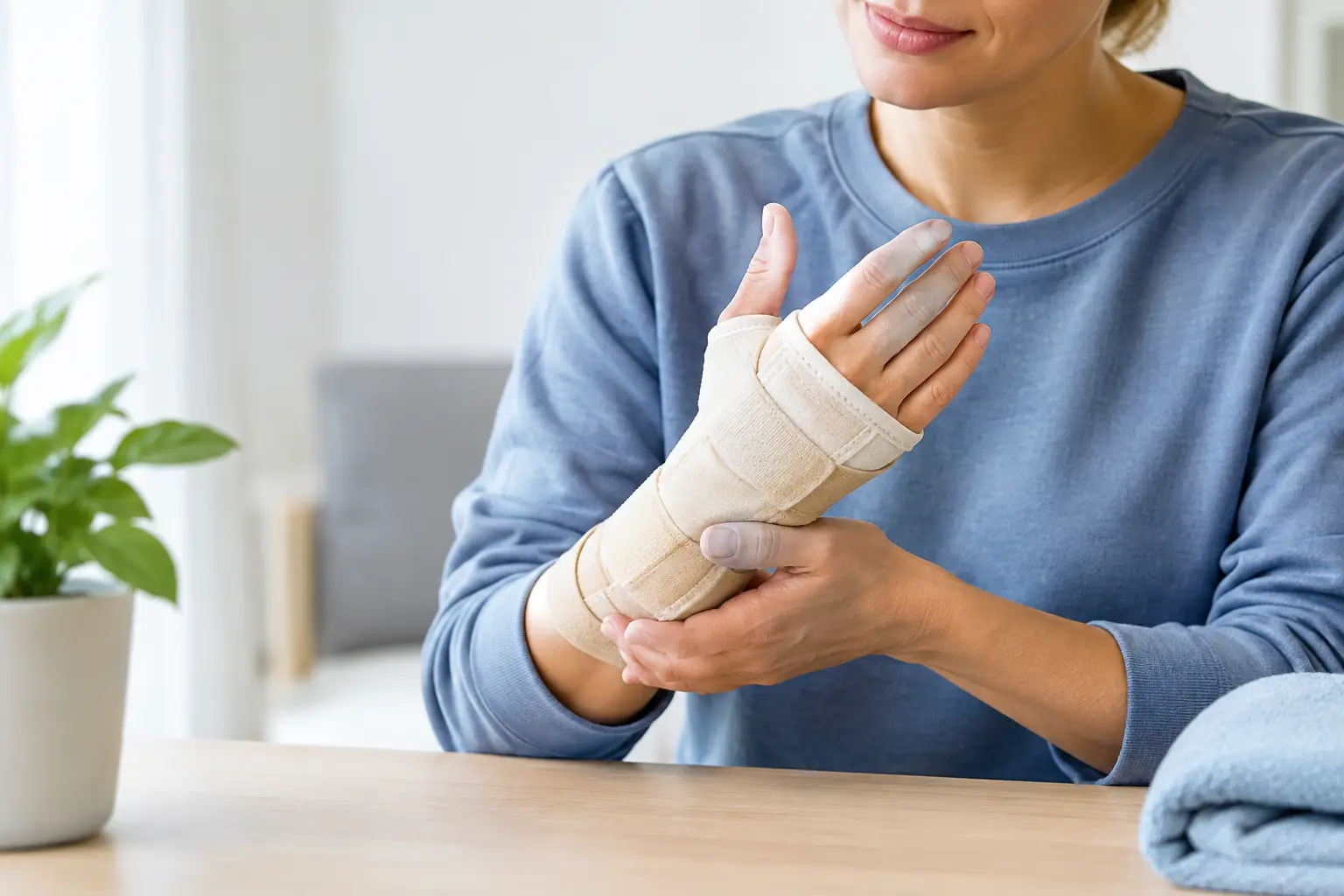
Most people go home on the day of surgery with a dressing, sometimes a splint, and clear instructions about pain relief and follow-up. Arrange for a responsible adult to take you home and remain available initially if you have had a general anaesthetic or sedation. You should not drive, make important decisions or use machinery until you are fully recovered from the anaesthetic and are able to control the vehicle safely.
Swelling and discomfort are expected during the early phase. Keeping the hand elevated above heart level, particularly for the first 48 to 72 hours, can reduce swelling and throbbing. When resting, support the hand on pillows rather than allowing it to hang by your side. Gentle movement of any fingers that have not been restricted is often encouraged, as this helps circulation and limits stiffness. However, do not force movement through pain or remove a splint unless you have been specifically advised to do so.
Take prescribed or recommended pain relief as directed. It is generally easier to stay ahead of discomfort than to wait until pain is severe. Some people need very little medication after a minor release procedure, while others need a more structured plan after tendon, fracture or reconstructive surgery. Avoid alcohol while taking sedating pain medicines, and check before adding any over-the-counter medication.
It is common to see mild bruising, swelling or a small amount of staining on the outer dressing. Increasing pain, a dressing that feels uncomfortably tight, fingers becoming pale, blue, cold or persistently numb, or swelling that is not relieved by elevation should be assessed promptly.
Looking after your dressing and wound
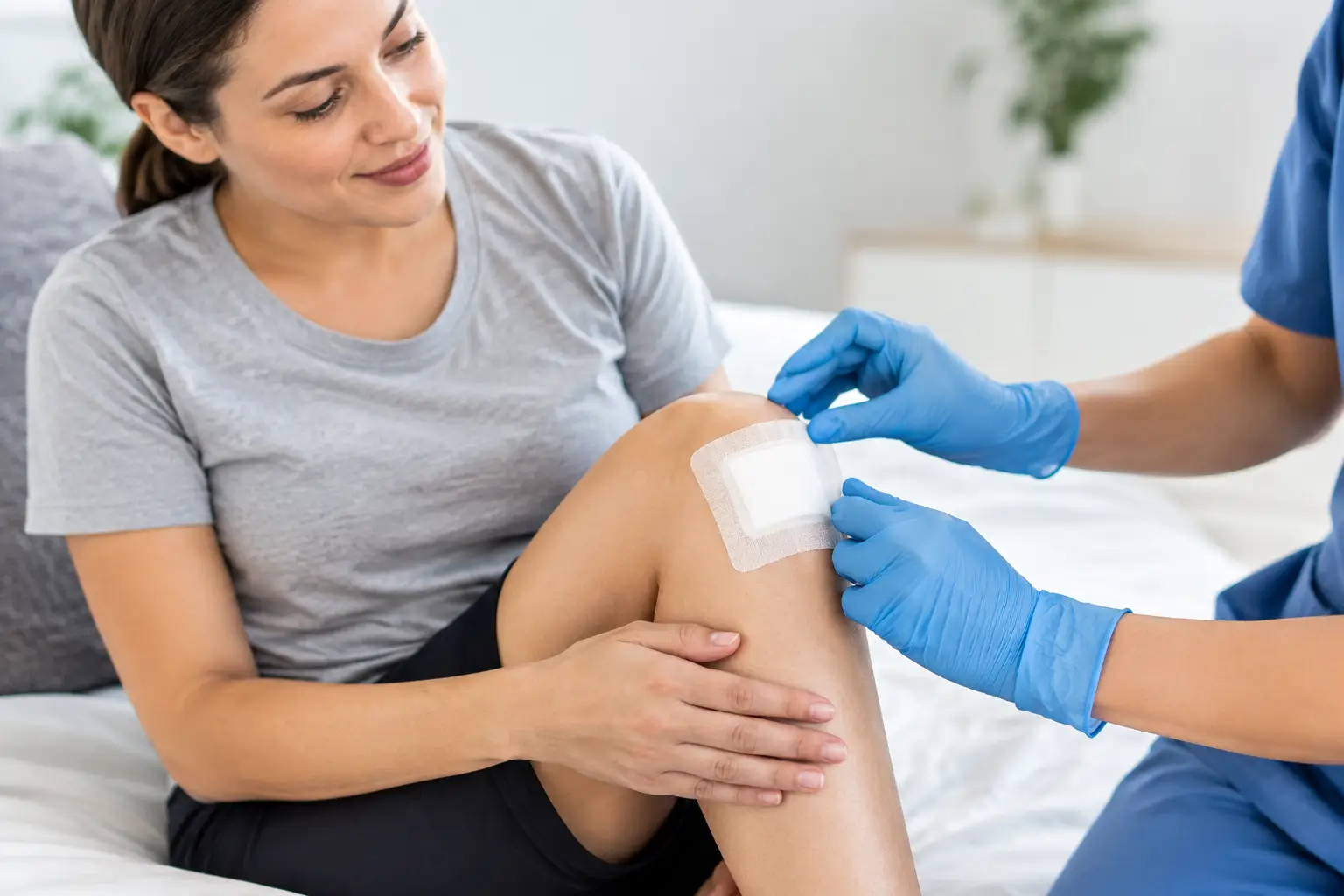
A clean, dry dressing protects the wound while the early healing process takes place. Unless your team has given different instructions, avoid getting the dressing wet. A waterproof cover can be useful for showering, but do not soak the hand in a bath, swimming pool or spa until the wound is fully healed and you have been advised it is safe to do so.
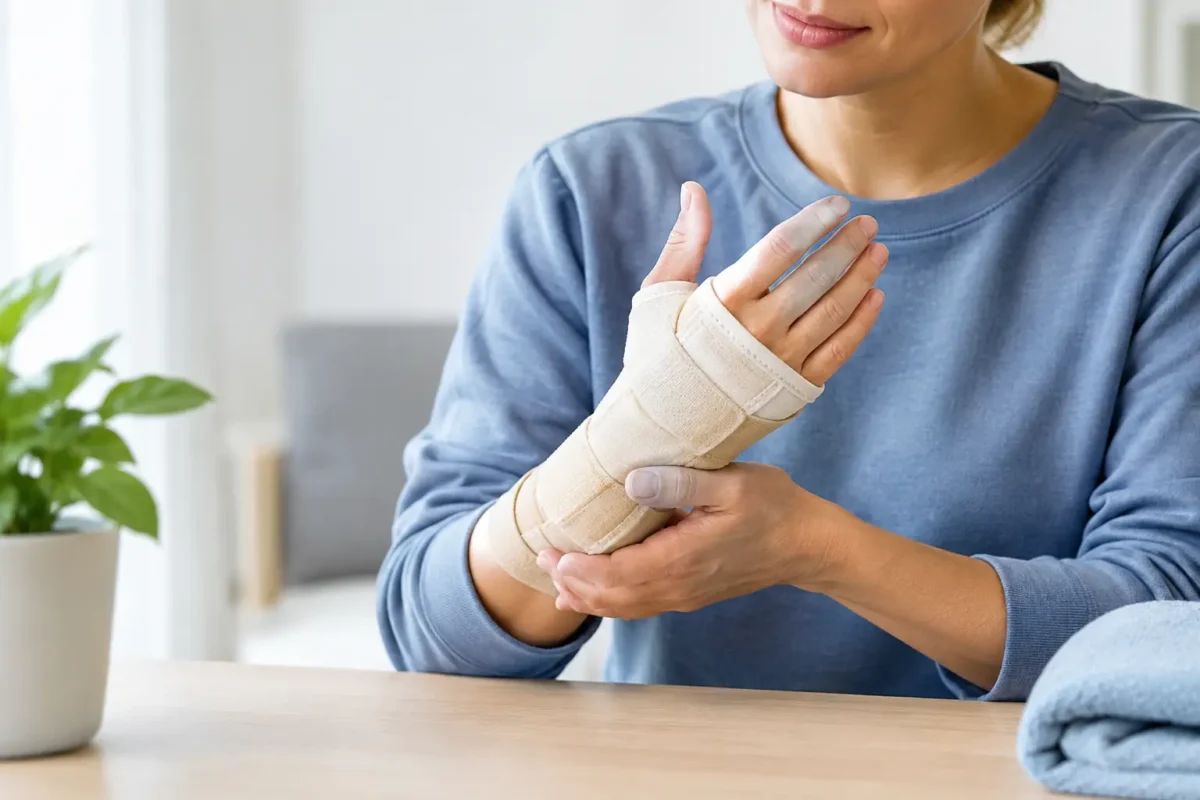
It can be tempting to inspect the incision repeatedly or change a dressing at home. This may disturb the wound and increase infection risk. Leave the dressing in place until the planned review, unless it becomes wet, loose, heavily soiled or you have been asked to change it. If there is a splint, it has been applied for a reason – often to protect a repair or maintain the hand in a specific position. Treat it as part of the surgery rather than an optional support.
Once sutures are removed or dissolvable stitches have settled, the scar may look pink, firm or slightly raised for a time. This is usually part of normal scar maturation. Your surgeon may recommend scar massage, moisturising or silicone therapy once the skin has fully closed. These measures are not appropriate for every wound, so start them only when advised.
Movement, exercises and hand therapy
The balance between protecting a healing structure and preventing stiffness is one of the most important parts of hand recovery. That balance varies considerably. After a simple carpal tunnel or trigger finger release, early finger movement is commonly helpful and many people regain useful function relatively quickly. After tendon repair, nerve surgery, fracture fixation or more complex reconstruction, following a precise splinting and therapy programme is essential.
Hand therapy is not merely an optional extra where it has been recommended. A specialist hand therapist can help you regain movement, reduce swelling, improve scar mobility and rebuild strength without placing a repair under excessive strain. Progress is often gradual. A hand may feel better before it is ready for gripping, lifting or repetitive work, and pushing too hard too soon can set recovery back.
A useful rule is to perform only the exercises you have been shown, at the frequency advised. Mild stretching discomfort can be expected in some programmes; sharp pain, catching, a sudden loss of movement or a new sensation of tearing is not something to work through. Stop the activity and seek advice.
Returning to everyday activities
Recovery is best measured by function, not just by the appearance of the incision. You may be able to use a keyboard, hold cutlery or dress independently before you are ready to lift shopping bags, open stubborn jars or perform manual work. Plan for practical limitations in advance, particularly if your dominant hand is being operated on.
For the first week or two, it may help to prepare meals ahead of time, choose clothing that is easy to fasten and arrange assistance with childcare, pets or household tasks. Keep frequently used items within easy reach so you do not need to grip, pull or carry unnecessarily.
Returning to work depends on your procedure and role. Desk-based work may be possible within days for some patients, provided the hand can be kept comfortable and protected. Work involving tools, repetitive gripping, heavy lifting, vibration, food preparation or exposure to dirt and water may require a longer absence or a phased return. Discuss the actual tasks involved in your job at your consultation or follow-up appointment rather than relying on a standard timeframe.
Driving should wait until you are no longer affected by anaesthetic or sedating medication, can grip and steer confidently, and can perform an emergency manoeuvre without hesitation or pain. A bulky dressing or splint may make driving unsafe. You should also check any requirements of your insurer.
What recovery can feel like
Healing rarely follows a perfectly straight line. Swelling may be worse at the end of the day, and the hand can feel stiff after rest. Tingling can take time to settle after nerve compression has been relieved, particularly if symptoms were longstanding before surgery. Some patients notice sensitivity around the scar or temporary weakness with grip.
These experiences do not automatically mean that something is wrong. Nerves, skin, tendons and soft tissues heal at different rates, and the expected timeline depends on the operation. Your surgeon can explain what is realistic for your particular condition. The aim is not to compare your recovery with someone else’s, but to make steady, safe progress towards the activities that matter to you.
When to contact your surgical team
Prompt advice can prevent a minor concern becoming a larger problem. Contact your surgical team if you develop worsening redness, heat, swelling or discharge from the wound; a fever or feeling generally unwell; pain that is increasing rather than settling; persistent bleeding through the dressing; or a new rash or reaction to medication.
You should also seek urgent advice if fingers become blue, pale or cold, if numbness is worsening, if a dressing or splint feels excessively tight, or if you experience a sudden change in your ability to move the fingers. If you cannot reach your surgical team and symptoms are severe or rapidly progressing, seek urgent medical assessment.
Preparing for a stronger recovery
Good recovery starts before surgery and continues after the wound has healed. If you smoke or use nicotine products, stopping is one of the most worthwhile steps you can take, as nicotine can impair blood flow and wound healing. A balanced diet, adequate fluids, regular sleep and careful management of conditions such as diabetes can also support healing.
At Stanley Loo’s practice, post-operative care is designed to give patients a clear plan and an appropriate point of contact throughout recovery. Bring questions to your review appointments, including questions about work, exercise, scar care and the return to specific hobbies. A considered recovery period is an investment in the result of your surgery – protect the repair, follow the guidance you have been given and allow your hand the time it needs to become useful and comfortable again.