
Breast reduction is often considered after years of physical discomfort, difficulty exercising, skin irritation or feeling that clothing never fits as it should. Knowing how to prepare for breast reduction surgery can make the process feel more manageable and helps create the safest possible conditions for your operation and recovery.
Preparation is not about achieving perfection before surgery. It is about having an honest assessment, understanding what the procedure can realistically achieve, and arranging the practical support that will allow you to rest properly afterwards.
Start with a thorough specialist consultation
A breast reduction consultation is the foundation of good surgical planning. Your surgeon will ask what brings you to consider surgery, including symptoms such as neck, shoulder or back pain, breast crease rashes, bra strap grooving, difficulty with activity, and the emotional impact of very large breasts.
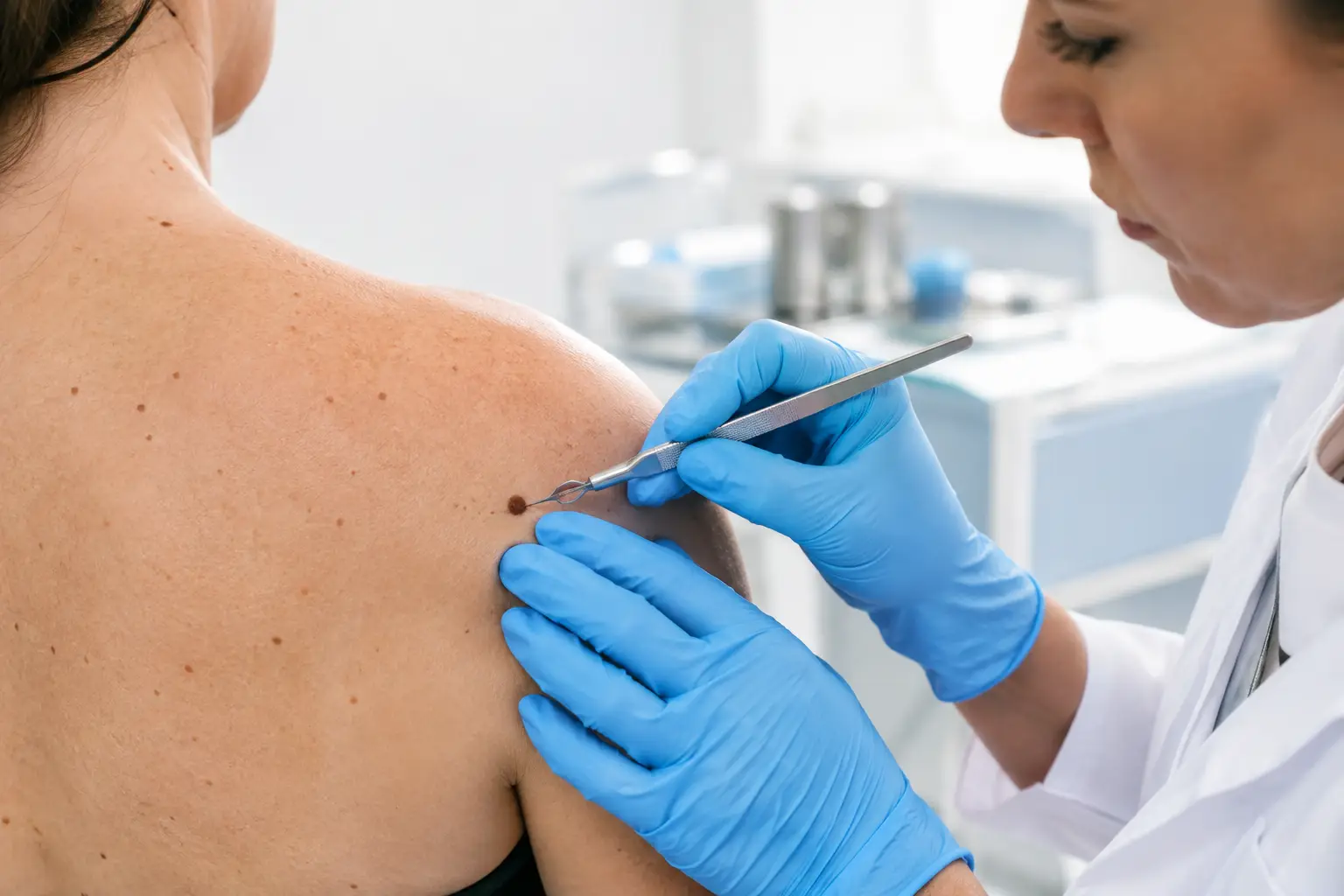
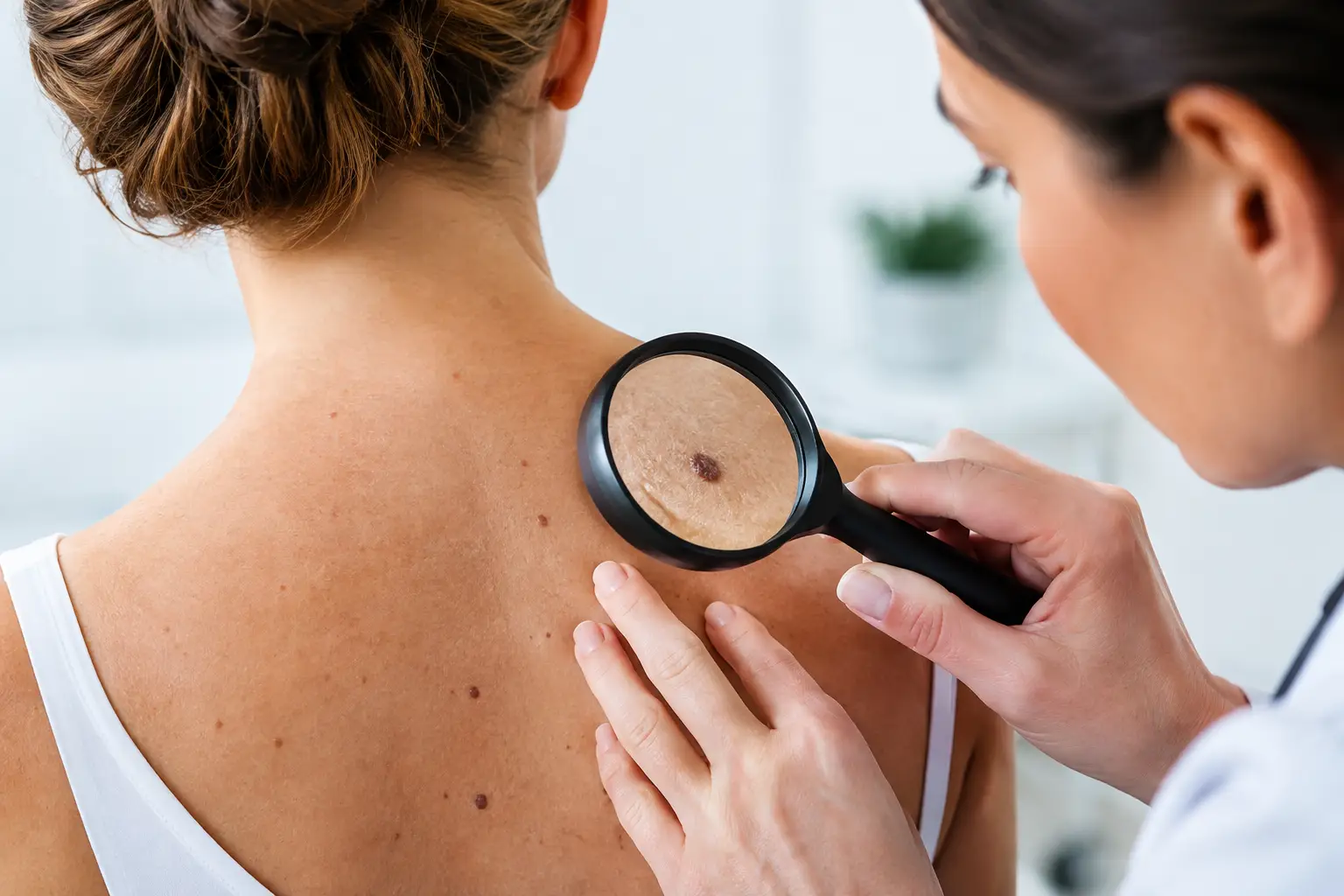
They will examine your breast shape, skin quality, breast volume, nipple position and degree of asymmetry. Measurements and clinical photographs may be taken as part of the planning process. These details help determine which surgical technique is appropriate and whether a breast lift will form part of the reduction, as it commonly does.
Be open about your medical history, including previous breast surgery, pregnancies, breastfeeding, smoking or vaping, medications, supplements, allergies and any family history of breast cancer. Your surgeon may recommend breast imaging before surgery, depending on your age, symptoms and screening history.
This is also the time to discuss your priorities. Some patients want the greatest possible reduction in size; others are most concerned with lifted shape, comfort in clothing, or maintaining as much nipple sensation as possible. These aims can sometimes involve trade-offs. A more substantial reduction may offer greater relief from symptoms, for example, but can carry a higher likelihood of changes in sensation or breastfeeding ability.
How to prepare for breast reduction surgery medically
Your surgeon and anaesthetist need a clear picture of your general health before an operation under general anaesthetic. You may need blood tests or other investigations, particularly if you have underlying health conditions or take regular medicines.
Aim to be at a stable, sustainable weight before surgery where possible. Weight changes after breast reduction can alter breast volume and shape. This does not mean a patient must meet a particular number on the scales, but it is sensible to discuss weight stability, nutrition and any planned weight loss with your surgeon.
If you smoke, vape or use nicotine products, you will be asked to stop well in advance of surgery and remain nicotine-free during healing. Nicotine reduces blood flow to the skin and can significantly increase the risk of wound healing problems, infection and tissue loss. Your surgical team will advise the appropriate timeframe for your circumstances.
Do not stop prescribed medication without medical advice. Some medicines and supplements can increase bleeding risk or interact with anaesthesia, including certain anti-inflammatory medicines, blood-thinning treatments and herbal products. Provide a complete list at your pre-operative appointment, including anything bought without a prescription. Your team will tell you precisely what to continue, pause or avoid.
Good nutrition, hydration and regular gentle activity can support recovery, but there is no need for extreme diets, supplements or punishing exercise routines. The goal is to arrive for surgery as well as you can, rather than depleted or exhausted.
Plan realistically for the first weeks at home
Breast reduction is major surgery, and practical preparation matters as much as the clinical checklist. Most patients are more comfortable having someone stay with them for at least the first night after discharge. You will also need a responsible adult to take you home, as you cannot drive after a general anaesthetic.
Arrange time away from work, caring responsibilities and strenuous household tasks. The exact length of leave depends on your role and recovery, but many people need around two weeks away from desk-based work and longer for physically demanding jobs. Jobs involving lifting, repetitive arm movements or manual work may require a more gradual return.
Before surgery, prepare a comfortable recovery area with pillows, water, chargers, medications supplied or approved by your team, easy meals and items you use regularly. Keeping essentials at waist height is helpful, as reaching high shelves may be uncomfortable in the early days.
You should also plan for help with shopping, meals, laundry, pets and young children. Lifting is usually restricted initially, and even everyday movements such as pulling open a heavy door or carrying a full kettle can be more difficult than expected. Accepting help for a short period is part of giving your wounds the best opportunity to heal.
Choose comfortable clothing and follow fasting instructions
Pack or set aside loose, front-opening clothes for the day of surgery. A button-up shirt, zip-front hoodie or soft pyjamas are easier to put on than garments that need to be pulled over your head. Your team will advise whether a post-operative support bra is provided or whether you should bring a particular style.
Follow fasting instructions exactly. You will receive clear guidance about when to stop eating and drinking before your anaesthetic. These instructions are a safety requirement, not simply an administrative detail. If you accidentally eat or drink outside the permitted timeframe, contact the hospital or surgical team for advice rather than assuming it will be fine.
Shower as directed before surgery and avoid applying moisturiser, perfume, deodorant or make-up unless your team says otherwise. Remove nail polish if requested, and leave jewellery and valuables at home.
Understand the recovery, scars and warning signs
A breast reduction usually involves scars around the areola and vertically down the lower breast. For larger reductions, there is commonly an additional scar in the breast crease. Scars are permanent, but they generally mature gradually over many months. Their final appearance depends on surgical technique, wound healing, skin type, genetics and post-operative care.
Swelling, bruising, tiredness and temporary changes in breast or nipple sensation are common during the early recovery period. Your breasts may initially sit higher and feel firmer than their longer-term position. Shape settles progressively as swelling reduces and the tissues relax.
You will be given individual guidance on showering, dressings, bra use, sleeping position, driving, exercise and returning to sexual activity. Avoid strenuous exercise and upper-body training until your surgeon confirms it is safe. Trying to do too much too quickly can increase swelling and place unnecessary tension on healing incisions.
Your care team should also explain when to seek urgent advice. Increasing pain that is not controlled by prescribed medication, rapidly expanding swelling, significant bleeding, shortness of breath, fever, wound separation or unusual discharge should be reported promptly. It is always better to ask if you are uncertain.
Prepare questions, not just practical arrangements
It is normal to feel excited and anxious at the same time. Writing down questions before your consultation or pre-operative appointment can be useful, especially if you tend to forget details when feeling nervous. You may wish to ask about the planned scar pattern, likely cup-size change, risks to nipple sensation, future breastfeeding, recovery milestones and who to contact outside usual hours.
Breast reduction can be life-changing for the right patient, but it is not a promise of complete symmetry or a particular bra size. A careful conversation about expectations protects against disappointment and allows the surgical plan to reflect your body, health and priorities.
Give yourself permission to prepare thoughtfully and to take recovery at your own pace. With clear advice, reliable support at home and responsive follow-up from your surgical team, you can approach breast reduction feeling informed, cared for and ready for the next step.