
A consent form should never be the first time you hear about a significant surgical risk, a likely scar, or the practical limits of an operation. A thoughtful private surgery informed consent process begins much earlier, through a consultation in which you can ask questions, consider alternatives and decide whether treatment is right for you.
For cosmetic, reconstructive, skin lesion and hand surgery, consent is not simply an administrative requirement. It is a conversation that protects your right to make a voluntary, informed choice about your own care. The purpose is not to persuade you to proceed. It is to ensure that, if you do proceed, you do so with realistic expectations and a clear understanding of the journey ahead.
What informed consent means in private surgery
Informed consent means agreeing to a proposed procedure after receiving information that is relevant to your circumstances. This includes the reason for surgery, what the operation involves, its expected benefits, meaningful risks and complications, recovery requirements, alternatives, and what may happen if you choose not to have treatment.
The information should be explained in language you understand, with enough time to reflect on it. You should feel able to ask for clarification without embarrassment. A surgeon may recommend a procedure, but the decision remains yours.
Consent is also specific. Agreeing to an eyelid procedure does not mean agreeing to every possible additional treatment. Where a change to the plan may be needed during surgery, your surgeon should explain this possibility in advance and discuss how it would be handled.
The private surgery informed consent process step by step
Assessment comes before a recommendation
The process begins with understanding why you are considering surgery and whether it is likely to help. This may involve discussing symptoms, previous treatments, medical history, medications, allergies, smoking or vaping, and any previous operations. For reconstructive or functional procedures, examination and relevant investigations help establish the diagnosis and the potential benefit of treatment.
For aesthetic surgery, an equally important part of assessment is discussing your goals. A breast reduction may be intended to relieve discomfort and improve clothing fit. Rhinoplasty may aim to address breathing, appearance, or both. The best plan depends on your anatomy, skin quality, health, lifestyle and desired outcome, not on a standardised image or a procedure trend.
A responsible consultation may conclude that surgery should be delayed, modified or avoided. For example, active smoking can materially increase wound-healing risks, while an unstable weight may affect the result of body-contouring surgery. Sometimes a non-surgical option, observation or referral to another specialist is more appropriate.
Your surgeon explains the proposed operation
Once a treatment plan is considered suitable, you should receive a clear explanation of what it entails. This commonly includes the type of anaesthetic, where incisions are likely to be placed, whether tissue is removed, repositioned or added, and whether implants, drains, dressings or compression garments may be used.
The discussion should also cover the expected recovery. Patients often focus naturally on the day of surgery, but the weeks afterwards are a significant part of the decision. You may need time away from work, help at home, restrictions on driving, lifting or exercise, and follow-up appointments. Swelling, bruising, altered sensation and scars can be normal parts of healing, but their duration and degree vary between individuals.
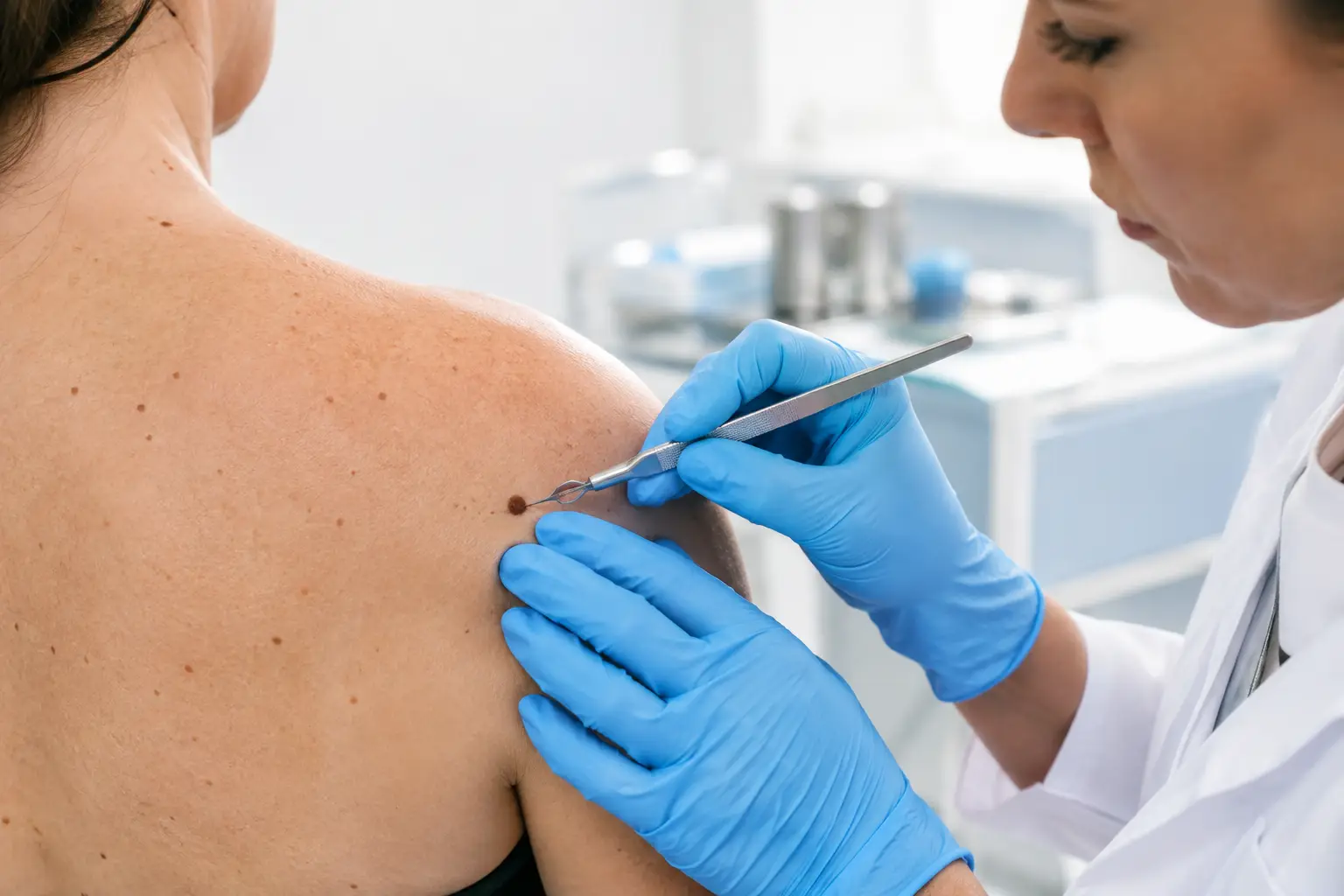
For procedures such as skin cancer excision, the final treatment may depend on pathology results. In hand surgery, improvement can be gradual rather than immediate, particularly where a nerve has been compressed for some time. Understanding these details beforehand helps prevent avoidable disappointment later.
Benefits, limits and risks are discussed honestly
Every operation has potential benefits, but no surgical outcome can be guaranteed. Consent should distinguish between what is reasonably expected and what is merely possible. It should also address the limitations of surgery. A scar revision can often improve a scar, for example, but it cannot erase it completely.
Risks should be relevant to the planned operation and to you personally. General surgical risks may include bleeding, infection, delayed wound healing, fluid collection, scarring, pain, blood clots and anaesthetic complications. Procedure-specific risks may include asymmetry after breast surgery, contour irregularity after liposuction, changes in nipple or skin sensation, implant-related concerns, breathing changes after rhinoplasty, or persistent symptoms after carpal tunnel release.
Some complications are uncommon but serious. Others are more likely but less severe. Both matter. A useful conversation explains how likely a risk is where this can be estimated, how it might be managed, and whether it could require further treatment or surgery. It should also cover factors that may increase your individual risk.
Alternatives and the option of no treatment are considered
A genuine choice requires alternatives. Depending on the concern, these may include monitoring a lesion, medication, therapy, dressings, weight stabilisation, non-surgical aesthetic treatments, or a different operation. In some situations, there is no equivalent non-surgical option, but choosing not to proceed remains an option that deserves discussion.
There are trade-offs in every pathway. Surgery may offer a more durable or meaningful result, yet involve scars, recovery and the possibility of revision. A non-surgical treatment may involve less downtime but offer a subtler or temporary change. The right balance depends on your priorities and clinical needs.
You are given time to decide
A consent form documents your decision, but signing it is not the decision-making process itself. You should have time between receiving information and undergoing elective surgery to think it through, review written material and discuss it with those close to you if you wish.
Do not feel pressured by a limited-time offer, a social media deadline or the expectation that you must decide during one appointment. For elective cosmetic surgery in particular, taking time is sensible. If you feel uncertain, request another consultation. A careful surgeon would rather answer a question twice than have a patient proceed with unresolved doubt.
Questions worth asking at your consultation
You do not need medical knowledge to ask good questions. Start with the issues most relevant to your life: what result is realistic for me, what are the main risks in my case, how visible will the scars be, and what will recovery mean for work and family responsibilities?
It is also reasonable to ask who will perform the operation, what anaesthetic is planned, where surgery will take place, what follow-up is included, and who to contact if you are concerned after hours. If revision surgery could be needed, ask why this might happen and how it would be approached. For cosmetic procedures, photographs can help communicate likely outcomes, but they should be understood as examples rather than promises.
If an explanation feels rushed or unclear, say so. Clear communication is part of safe care, not an optional extra.
Consent continues after the form is signed
Your circumstances can change between consultation and surgery. You may develop an illness, start a new medicine, discover you are pregnant, or simply reconsider your decision. Tell your surgical team about any change, even if it seems minor. It may affect timing, anaesthetic planning or the procedure itself.
You can withdraw consent before surgery. This is true even after signing paperwork or paying a deposit, although financial terms may apply and should be explained separately. Withdrawing consent is not a failure or an inconvenience. It is an exercise of your right to choose.
After surgery, the same open communication continues. Written post-operative instructions, planned reviews and access to advice when concerns arise are part of good perioperative care. At Stanley Loo’s practice, this emphasis on clear information and attentive follow-up is intended to help patients feel supported from their first consultation through recovery.
When to pause and seek more information
Consider taking more time if you do not understand the proposed procedure, feel unable to explain the key risks in your own words, or believe the result is being presented as guaranteed. A further opinion can be helpful where surgery is extensive, the proposed plan feels uncertain, or you are weighing more than one reasonable option.
It is also wise to pause if the recovery period does not fit your current responsibilities, finances or support network. The safest plan is not always the quickest one. Elective treatment can usually wait until you are ready to make the decision calmly and prepare properly for healing.
The best consent conversation leaves you neither frightened nor pressured. It leaves you informed, heard and able to decide with confidence whether surgery is the right next step for you.