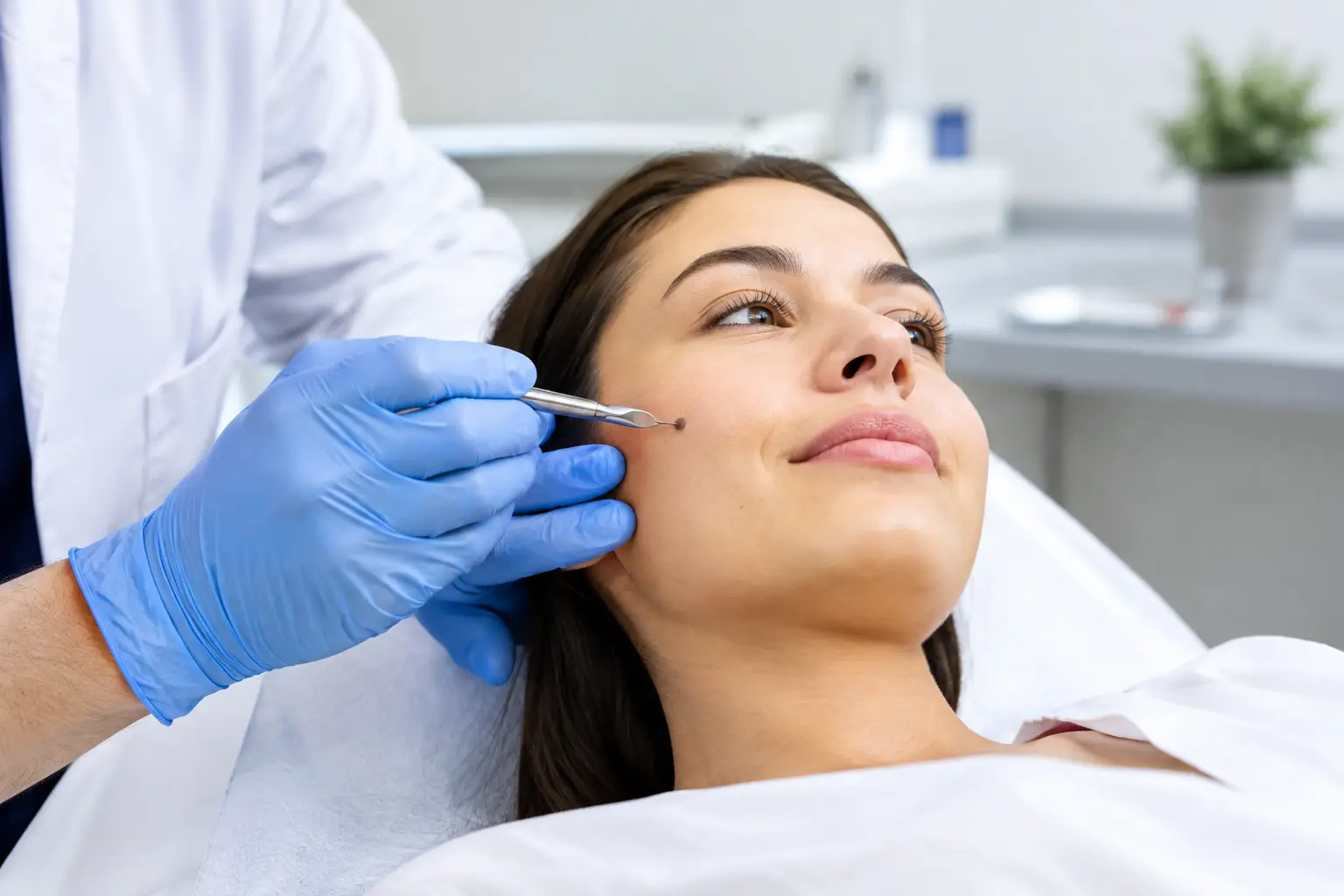
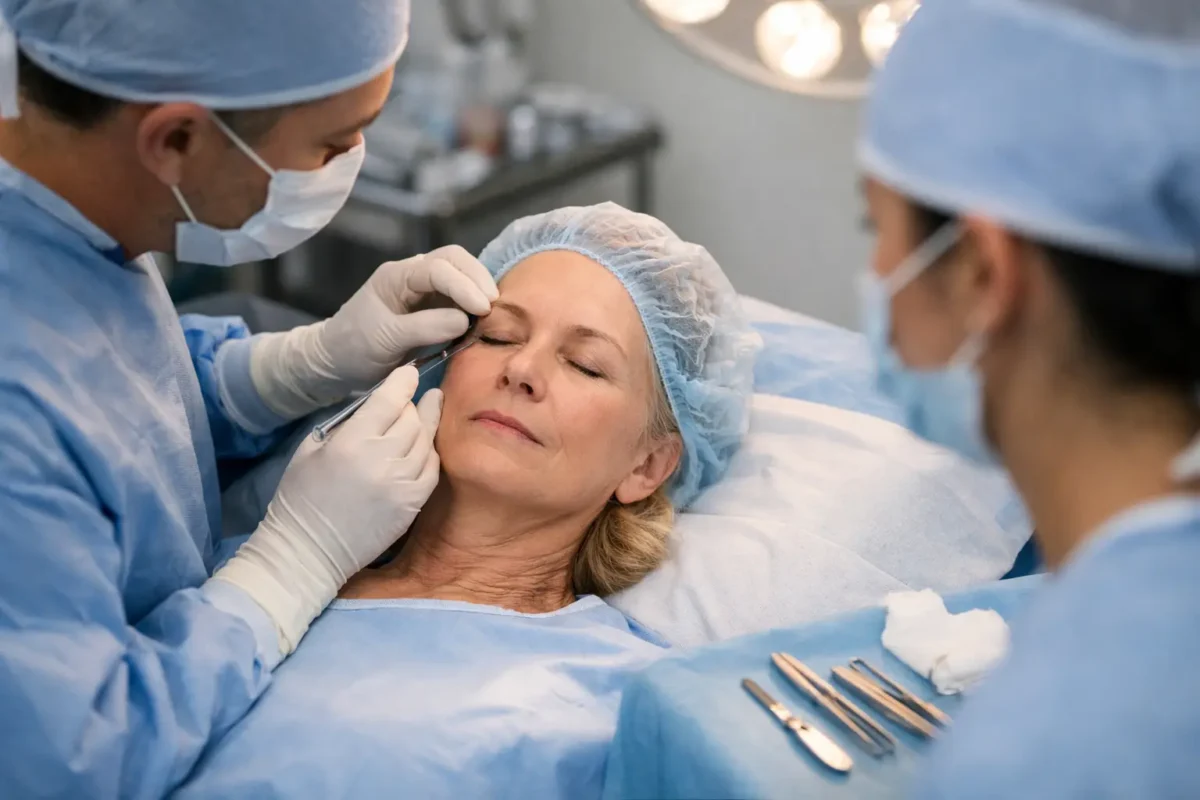
A diagnosis of skin cancer can make even a straightforward treatment plan feel overwhelming. For many patients, skin cancer surgery is the most effective way to remove the cancer, confirm clear margins, and protect both health and appearance as much as possible.
Surgery is not one single procedure. The right approach depends on the type of skin cancer, where it sits, how large or deep it is, and whether preserving nearby structures matters for function as well as appearance. A small lesion on the trunk is managed differently from a skin cancer on the nose, eyelid, lip or ear, where every millimetre counts.
When skin cancer surgery is recommended
Skin cancer surgery is commonly used for basal cell carcinoma, squamous cell carcinoma, and some early melanomas. In many cases, surgery offers the best chance of complete removal because the tissue can be sent to the laboratory and examined under the microscope. That pathology result helps confirm the diagnosis and shows whether the cancer has been fully excised.
For some lesions, surgery is clearly the first choice. This is often the case when the cancer has defined borders, is growing, has returned after previous treatment, or sits in an area where incomplete treatment could cause ongoing problems. Surgery may also be advised when a biopsy has already shown cancer and the next step is to remove the remaining abnormal tissue with an appropriate margin.
There are situations where alternatives may be discussed. Certain superficial lesions can sometimes be treated with topical therapy, cryotherapy, curettage, or radiotherapy. However, these options are not interchangeable in every case. They can be useful, but they may not provide the same certainty about complete removal, and some are less suitable for high-risk or recurrent skin cancers.
What happens before surgery
A careful assessment comes first. This includes examining the lesion, reviewing any biopsy result, discussing your medical history, and considering medications that may affect bleeding or healing. If the lesion is in a visible area, planning also includes how best to reconstruct the wound once the cancer has been removed.
This stage matters. Good skin cancer care is not simply about cutting out a lesion. It is about balancing oncological safety with wound healing, scarring, function, and long-term follow-up. On the face in particular, the reconstruction plan should be considered before surgery begins, not afterwards.
During consultation, patients often want to know how much skin will need to be removed. The honest answer is that it depends. Surgeons aim to remove enough tissue to treat the cancer properly while preserving as much normal tissue as possible. The recommended margin varies according to the diagnosis and the behaviour of the tumour.
Types of skin cancer surgery
The most common procedure is surgical excision. This involves removing the visible lesion together with a border of normal-looking skin. The wound may then be closed directly with stitches, or repaired using a skin flap or skin graft if the defect is larger or in a more complex area.
Direct closure is often possible for small lesions where the skin has enough laxity. This tends to be the simplest option and may produce a very acceptable scar, particularly when the incision can be placed in a natural skin line.
A local flap uses nearby skin and soft tissue to repair the area. This can be especially helpful on the face, where matching colour, texture and contour is important. A flap is often more technically involved than a straightforward closure, but it can give a better functional and cosmetic result in the right setting.
A skin graft uses skin taken from another site on the body to cover the wound. This may be recommended when there is not enough adjacent tissue to move safely into place. Grafts can be very effective, though they may differ slightly in colour or texture from the surrounding skin.
For some higher-risk or anatomically sensitive lesions, staged excision or margin-controlled surgery may be considered. The main goal is to ensure the cancer is fully removed while sparing as much healthy tissue as possible. This is particularly relevant around the eyelids, nose, ears and lips.
Anaesthetic and the day of the procedure
Many skin cancer procedures are performed under local anaesthetic. This means the area is numbed while you remain awake. Patients are often relieved to find that treatment is quicker and more manageable than they expected.
Larger lesions, more complex reconstructions, or patient-specific factors may make sedation or general anaesthetic more appropriate. That decision is based on the size and site of the surgery, your health, and what is likely to provide the safest and most comfortable experience.
On the day, the lesion is marked, the skin is prepared, and the planned procedure is carried out. The removed tissue is sent for pathological examination. You will also receive instructions about wound care, dressings, activity, and when to return for review.
Recovery after skin cancer surgery
Most patients recover well, but recovery is not identical for everyone. A small excision on the shoulder may settle quickly. A reconstruction on the nose or lower eyelid can involve more swelling, bruising and temporary tightness.
Mild discomfort is common and is usually manageable with simple pain relief. Swelling and bruising are often more noticeable in facial surgery and can take a couple of weeks to settle. If a skin graft or flap has been used, follow-up is particularly important so that healing can be monitored closely.
Stitches may be dissolvable or may need removal, depending on the site and technique used. Scar maturation takes time. Even when a wound looks neat early on, it can continue to soften and settle over several months.
Patients often ask when they can get back to normal activities. Again, it depends. Gentle day-to-day movement is usually fine, but strenuous exercise, swimming, and anything that places tension on the wound may need to wait until the area is stable. Clear post-operative advice helps reduce the risk of bleeding, wound separation and delayed healing.
Possible risks and trade-offs
All surgery involves some degree of risk, even when the procedure is minor. These risks include bleeding, infection, delayed wound healing, scarring, numbness, recurrence, and the possibility that further treatment may be needed if margins are not clear.
In skin cancer surgery, there is also a practical trade-off that patients deserve to understand. A surgeon may be able to make the scar smaller by taking a narrower margin, but that is not always the safest cancer treatment. Equally, a wider excision may improve oncological clearance while creating a larger defect that needs a more involved reconstruction. Good surgical planning means discussing these realities openly rather than oversimplifying them.
For cancers in visible areas, preserving appearance matters, but it should never replace proper cancer control. The best outcome is one that treats the lesion thoroughly and respects the surrounding anatomy.
Follow-up after skin cancer surgery
Follow-up is an important part of treatment, not an optional extra. Once the pathology result is back, it confirms what was removed, whether the margins are clear, and whether any further treatment is required. In many cases, no further surgery is needed. In others, additional excision may be recommended.
Patients who have had one skin cancer are also at increased risk of developing another. That does not mean something has gone wrong. It means ongoing skin surveillance is sensible. Depending on the diagnosis, this may involve regular self-checks, review of changing lesions, and periodic specialist assessment.
Sun protection remains essential after treatment. Surgery removes a diagnosed lesion, but it does not remove the skin’s cumulative sun damage or future risk.
Choosing a specialist for skin cancer surgery
Not every skin cancer is complex, but many benefit from specialist assessment, especially when the lesion is on the face or when reconstruction may be needed. A surgeon with experience in both skin cancer excision and reconstructive techniques can plan treatment with the full picture in mind.
Patients should feel comfortable asking practical questions. What type of closure is likely? Will the specimen be sent for pathology? What scar should be expected? What happens if the margins are involved? How will follow-up work? These are sensible questions, and clear answers are part of safe, informed care.
In a specialist practice such as Stanley Loo’s, the aim is not simply to remove a lesion and send you on your way. It is to provide careful assessment, thoughtful surgery, and proper support through healing and review.
If you are facing treatment, the most helpful next step is often a calm, well-informed consultation. Skin cancer surgery can sound daunting at first, but with the right plan and the right team, it is usually a very manageable path forward.