
Categories
Cosmetic Surgery Plastic Surgery

Facelift Scar Placement: Where Incisions Sit

https://plasticsurgerynz.org/facelift-scar-placement/
October 21, 2026 - Stanley Loo -A facelift is designed to refresh the face, not to

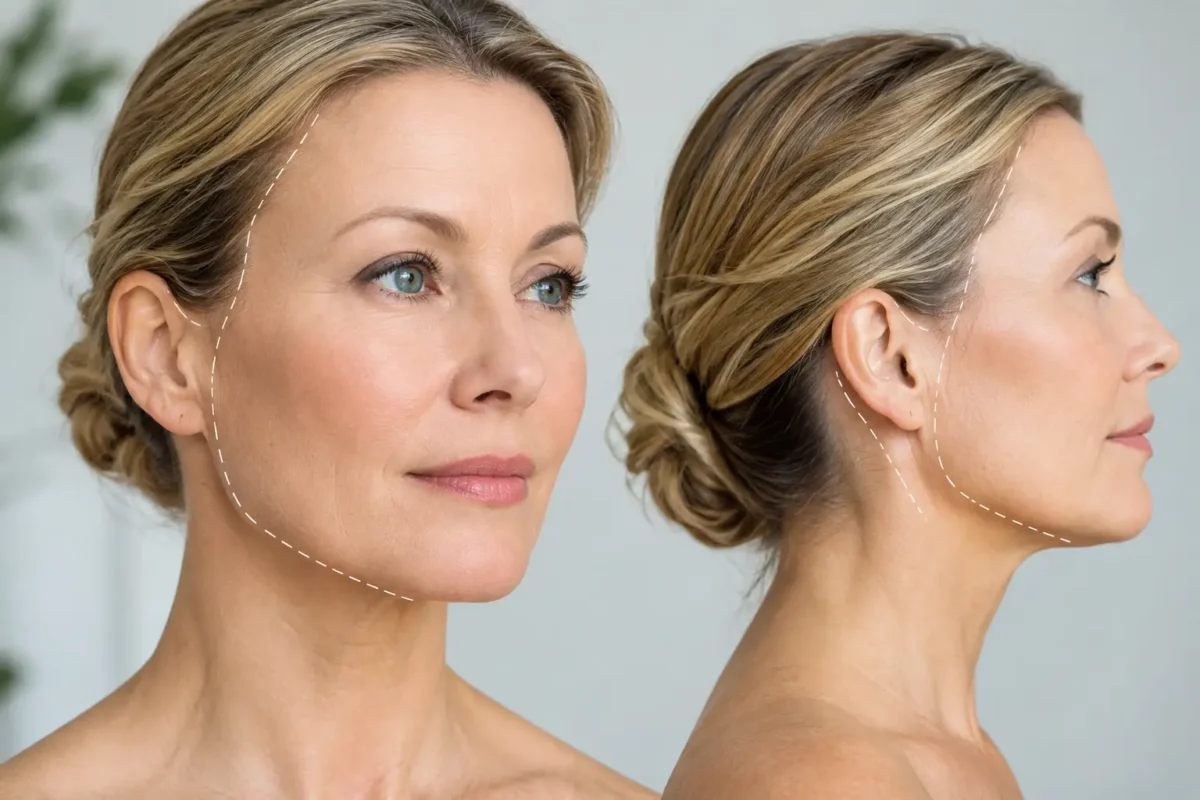
A facelift is designed to refresh the face, not to advertise that surgery has taken place. That is why facelift scar placement is discussed carefully before an operation: the position of each incision influences both surgical access and how discreetly the scar may settle over time. A well-planned scar is usually concealed within natural facial contours, hair-bearing skin and the folds around the ear, but no incision can be made completely scar-free.

The right approach is individual. Facial anatomy, hairline height, skin quality, degree of laxity, previous surgery and the type of lift required all affect where incisions are placed. A consultation is the time to understand these choices, including the benefits, limits and recovery involved.

Why facelift scar placement matters

A facelift, also called a rhytidectomy, addresses laxity in the lower face and neck by lifting and repositioning deeper tissues, removing or redistributing excess skin where appropriate, and refining the jawline and neck contour. The surgeon needs incisions that provide safe, precise access to these structures.

Placing an incision only where it is easiest to hide is not always the best surgical decision. If access is too limited for the amount of correction needed, tension may be placed on the skin closure or the result may be less durable. Conversely, a longer incision may be appropriate when there is significant neck skin excess or a need to improve the contour beneath the chin. The aim is to balance effective lifting with the least conspicuous scar pattern that safely suits the procedure.

Scars are most noticeable early in recovery. They are often pink, firm or mildly raised while the body remodels collagen, then usually soften and fade gradually. This maturation process commonly continues for 12 months or longer.

Common facelift incision locations

In front of the ear

For many facelifts, the incision begins within the natural crease where the ear meets the face, known as the preauricular crease. It may follow the contour in front of the ear and around the small cartilage prominence at the front of the ear canal. Using this natural junction helps break up the line of the scar rather than placing it across a broad, flat area of cheek skin.

Careful closure matters as much as incision design. The skin should be redraped without undue tension, as tension can widen a scar or subtly distort the earlobe and hairline.

Around and behind the ear

The incision often continues around the lower ear and into the crease behind it. This allows the surgeon to address skin laxity through the jawline and upper neck. When necessary, it may extend into the hair-bearing scalp behind the ear, where it can be concealed by the hair once healing has progressed.

An incision behind the ear is particularly common when a neck lift is performed alongside the facelift. The amount of extension depends on the degree of loose neck skin, tissue quality and the planned surgical technique. Patients with short hair or who regularly wear their hair up should mention this during consultation, as it can be considered when discussing scar visibility and placement.

Along the hairline or within the scalp

Some procedures require an incision that extends into the temple or scalp. The precise position is planned with particular attention to the hairline. For patients with a high hairline, thinning hair or a history of hair loss, this conversation is especially important.

A surgeon may choose a hairline-based incision, an incision set slightly within the hair-bearing scalp, or another variation based on the anatomy and goals of the operation. Each option involves a trade-off. An incision within the scalp can be well hidden, but skin movement must not create an unnatural shift in the sideburn or temporal hairline. A hairline incision may preserve hair-bearing skin positioning but can be more visible during the earlier stages of healing.

Beneath the chin

A small incision in the natural crease beneath the chin may be used when the neck needs additional contouring. It can provide access for treating the platysma muscle, removing localised fat where appropriate, or improving the angle between the chin and neck.

Not every facelift requires this incision. In a patient with good neck definition and limited laxity, it may add little benefit. In others, particularly where there is muscle banding or fullness below the chin, it can be an important part of achieving a balanced result.

What changes the scar plan?

There is no single facelift pattern that is right for every face. A limited or short-scar facelift may be suitable for someone with early jowl formation and modest skin laxity. It may involve shorter incisions around the ear, but it cannot reliably correct substantial neck looseness or extensive excess skin.

A more comprehensive facelift and neck lift may require incisions that extend further behind the ear or into the scalp. This can provide better access and reduce closure tension, which may support a more natural contour. The trade-off is a larger scar footprint, although much of it is placed in less visible areas.

Previous facelift surgery, facial scars, radiation treatment, smoking history, tendency to form thick scars and certain medical conditions also require careful consideration. Previous scars may sometimes be incorporated or revised, but scar behaviour cannot be predicted with certainty. A specialist assessment helps identify factors that could affect healing and whether surgery should be adapted, delayed or avoided.

How facelift scars heal

Immediately after surgery, incisions are covered with dressings and the face may feel tight or swollen. Bruising and swelling can temporarily make the scar area appear more obvious than it will later. The early healing period requires patience and close adherence to post-operative instructions.

Once the incisions have sealed, scars may become redder or firmer before they improve. This is a normal part of healing for many patients, rather than a sign that the final result will be poor. However, increasing pain, spreading redness, discharge, fever, wound separation or a sudden change in swelling should be reported promptly to the surgical team.

Skin type and individual biology play a role. Some people naturally develop darker pigmentation after inflammation, while others are prone to raised or widened scars. These risks should be discussed openly before surgery, particularly if you have had problematic scars in the past.

Supporting the best possible scar outcome

Your surgeon and nursing team will provide individual aftercare instructions, including when to wash the area, how to manage dressings and when to return for review. Following these instructions is one of the most practical ways to support healing.

Avoid nicotine in all forms before and after surgery, as it reduces blood flow and can significantly increase the risk of wound-healing problems. Protecting healing scars from sunlight is also important. UV exposure can make scars darker and more persistent, so use the recommended sun protection once the wound has healed sufficiently and keep the area covered where practical.

Do not start silicone products, massage or topical treatments until your surgeon confirms they are appropriate. These measures can be useful for some scars, but timing matters. Similarly, avoid vigorous exercise, heavy lifting and activities that raise blood pressure until you have been cleared to resume them. Early strain can increase swelling and place stress on healing incisions.

Questions worth asking at consultation

A meaningful consultation should include more than a discussion of before-and-after photographs. Ask where your incisions are likely to sit, whether they may extend into the hairline or beneath the chin, and why that approach is recommended for you. It is also reasonable to ask how your hairstyle, hairline, skin quality and previous scars influence the plan.

Your surgeon should explain what improvement is realistic, what scars can and cannot be hidden, and how follow-up care will be organised. A reassuring answer is not one that promises invisible scars. It is one that explains the surgical reasoning clearly and makes space for informed decisions.

The best time to raise concerns about facelift scars is before surgery, when the plan can be tailored to your anatomy and priorities. With thoughtful placement, meticulous technique and attentive aftercare, scars typically become a quieter part of the result rather than the feature you notice first.


Categories
Cosmetic Surgery

Who Are the Best Candidates for Facelift Surgery?

https://plasticsurgerynz.org/best-candidates-for-facelift-surgery/
September 3, 2026 - Stanley Loo -A facelift is not simply a treatment for looking older It

A facelift is not simply a treatment for looking older. It is a surgical option for people whose facial changes no longer reflect how rested, well or confident they feel. The best candidates for facelift surgery are usually seeking a natural restoration of facial definition, rather than a dramatic change to who they are.

A well-planned facelift, also known as rhytidectomy, can improve loose skin and deeper tissue descent through the cheeks, jawline and neck. However, suitability is individual. Skin quality, general health, smoking status, goals and willingness to recover properly all matter as much as age.

What a Facelift Can Realistically Improve

Facial ageing is not caused by one factor alone. Over time, the skin loses elasticity, facial fat changes position, and the supporting tissues of the face descend. This can lead to jowls, a less defined jawline, deeper folds around the mouth and looseness in the neck.

A facelift is designed to reposition and support the deeper facial layers, with careful removal or redraping of excess skin where appropriate. This is why a surgical facelift can achieve a more lasting improvement than non-surgical treatments for significant laxity. The aim should be to look refreshed and recognisably yourself, not pulled or overcorrected.

It does not usually address every concern in the upper face. Fine lines, sun damage, uneven skin texture, volume loss and brow position may need different treatments or a separate procedure. Some patients considering a facelift may also benefit from eyelid surgery, neck contouring or fat transfer, but combining procedures should always be considered carefully in light of safety and recovery.

Best Candidates for Facelift Surgery: The Main Considerations

There is no single ideal age for a facelift. Many suitable patients are in their forties, fifties or sixties, while some younger or older people may be appropriate candidates depending on their anatomy and health. The more useful question is whether the changes bothering you can be improved predictably with surgery.

You have noticeable laxity in the lower face or neck

A facelift is often most effective when there is visible descent of the cheeks, jowling, loss of jawline definition or loose neck skin. People with mild early changes may prefer to wait, particularly if their concerns can be managed with less invasive treatment. Conversely, when laxity is more established, a facelift may offer a more meaningful improvement than repeated temporary procedures.

The amount of skin laxity is only part of the assessment. Your surgeon will also consider the position of deeper tissues, neck anatomy, bone structure and the quality of your skin. These features influence the type of facelift recommended and the result that can reasonably be expected.

You are in good general health

Facelift surgery is elective surgery and should be approached with appropriate care. Suitable candidates are generally medically well enough to undergo an anaesthetic and recover safely. Conditions such as poorly controlled diabetes, significant heart or lung disease, bleeding disorders or immune problems do not always rule out surgery, but they require thorough assessment and, in some cases, advice from other treating clinicians.

A consultation should include a detailed medical history, current medications, allergies, previous operations and any tendency towards poor wound healing or excessive scarring. Blood-thinning medicines, certain supplements and anti-inflammatory medication may need to be adjusted before surgery under medical guidance. Never stop prescribed medication without speaking to the doctor who manages it.

You do not smoke or can stop well before surgery

Nicotine is one of the most significant risk factors in facelift surgery. Smoking, vaping and nicotine replacement products can reduce blood flow to the skin, increasing the risk of delayed healing, infection, wound problems and skin loss.

Candidates should be prepared to stop all nicotine products for the period advised by their surgeon before and after the operation. This is not a minor precaution. In some circumstances, continuing nicotine use may mean that surgery should be postponed because the risk is unacceptably high.

Your weight and lifestyle are reasonably stable

A facelift is not a weight-loss procedure. Significant weight gain or loss after surgery can alter facial fullness and affect the longevity of the result. Patients do not need to meet an arbitrary number on the scales, but a stable weight and sustainable lifestyle provide a better foundation for surgical planning and recovery.

Good nutrition, regular movement within your ability, adequate sleep and sensible alcohol intake can all support healing. They are not guarantees of a particular result, but they help your body prepare for surgery and recuperation.

You have realistic, personal reasons for surgery

The strongest motivation for a facelift is usually personal: you feel your appearance no longer matches your energy or self-image, and you would like to address specific changes. It is sensible to bring photographs, identify the areas that concern you and explain what you hope will be different.

A facelift cannot solve relationship difficulties, workplace pressures or a broader sense of dissatisfaction. It also cannot reproduce a photograph from decades earlier. Patients who understand these limits are often better placed to feel satisfied with a natural improvement.

Skin Quality Matters, but It Is Not Everything

People sometimes assume that thin or sun-damaged skin automatically makes them unsuitable for facelift surgery. This is not necessarily the case. Skin quality influences incision planning, the degree of improvement possible and the need for ongoing skincare, but a facelift works primarily by repositioning deeper tissues rather than relying only on skin tightening.

Previous cosmetic treatments, scars, skin cancer surgery and facial procedures should be discussed openly. They may affect blood supply, scar placement and the operation itself. A specialist assessment can determine whether they alter suitability or simply require a modified approach.

Scarring is an unavoidable part of surgical treatment, although facelift incisions are planned carefully around the ear and hairline so they become progressively less noticeable. Healing varies from person to person. Patients need to accept that scars take time to mature and will require protection from sun exposure while they settle.

Who May Need a Different Approach First?

Not everyone concerned about facial ageing needs a facelift immediately. If the primary issue is volume loss rather than loose skin, fat transfer or other non-surgical options may be more relevant. If heavy upper eyelids or brow descent are the main concern, eyelid or brow surgery may be considered instead. A neck procedure alone can occasionally suit someone with good mid-face support but localised neck laxity.

Equally, a facelift may not be advisable until a medical issue is better controlled, nicotine use has stopped, or expectations are clearer. Being advised to wait does not mean your concerns are unimportant. It reflects a safety-first approach and the recognition that good surgical outcomes begin with appropriate timing.

The Importance of Recovery Readiness

A person can be medically suitable for a facelift yet poorly prepared for the practical demands of recovery. Swelling and bruising are expected, particularly in the first two weeks, and it can take several months for the tissues to settle fully. Most people need time away from work and social commitments, although the exact timeframe depends on the procedure and the nature of their work.

You will need to follow instructions on wound care, activity restrictions, sleeping position and follow-up appointments. Arranging help at home for the first few days can be reassuring. It is also wise to avoid scheduling surgery immediately before an important event, as recovery does not follow an exact calendar.

A consultation should include an honest discussion of risks, such as bleeding, infection, nerve injury, asymmetry, altered sensation, scarring and the possibility of revision surgery. These complications are uncommon in appropriately selected patients, but informed consent means understanding them before deciding whether surgery is right for you.

A Specialist Consultation Brings the Decision Into Focus

The value of a facelift consultation is not simply being told yes or no. It is an opportunity to discuss your concerns, examine the facial structures contributing to them, and understand the benefits and limitations of available options. At Stanley Loo Plastic Surgery, this conversation is centred on an individual treatment plan, careful preparation and clear post-operative guidance.

Bring your medical information, a list of medications and questions about downtime, scars, anaesthetic and aftercare. A good decision should feel considered rather than rushed. The right time for facelift surgery is when the procedure addresses a genuine concern, your health and circumstances support safe recovery, and you feel fully informed about the journey ahead.

Categories
Cosmetic Surgery

Facelift Recovery Week by Week Explained

https://plasticsurgerynz.org/facelift-recovery-week-by-week/
August 25, 2026 - Stanley Loo -A facelift is not judged by how you look when the dressings

A facelift is not judged by how you look when the dressings first come off. It is judged by how naturally the tissues settle over time. Understanding facelift recovery week by week can make the early swelling and bruising feel less alarming, while helping you plan work, social commitments and support at home realistically.

Recovery after a rhytidectomy varies with the extent of surgery, whether a neck lift, eyelid surgery or fat transfer is performed at the same time, and your individual healing response. The following timeline is a general guide, not a substitute for the personalised instructions given by your surgeon and clinical team.

The first 48 hours: rest, elevation and observation

Most patients go home on the day of surgery or after an overnight stay, depending on the procedure and their circumstances. You will need a responsible adult with you initially. Your face and neck may feel tight, numb or unusually firm, and bulky dressings may be in place to protect the incisions and reduce early swelling.

Swelling and bruising commonly increase over the first two to three days. This is expected, even when the operation itself has been uncomplicated. Keep your head elevated, including when sleeping, take prescribed pain relief as directed, and avoid bending, straining or lifting. Short, gentle walks around the home are useful for circulation, but this is not the time to test your energy levels.

A small amount of blood-stained drainage can occur around the incision sites. Your team will explain how to care for dressings and when they should be reviewed. Do not apply creams, make-up or hair products near the wounds unless specifically advised.

Facelift recovery week by week

Week 1: the most visible part of recovery

The first week is usually the period when you feel least like yourself. Bruising may travel down towards the jawline, neck and upper chest due to gravity. Swelling can make the face appear uneven, particularly from one side to the other. This does not mean the result will be uneven.

A follow-up appointment is often arranged during this period so dressings can be changed or removed and the incisions checked. Depending on the technique used, some sutures or clips may also be removed during the first week or shortly afterwards. Your surgeon will assess wound healing, answer questions and confirm the next stage of care.

Many patients can manage light activities at home, but should continue to avoid housework, exercise, alcohol and anything that raises blood pressure. Smoking and nicotine products are especially harmful to healing, as they reduce blood supply to the skin and significantly increase surgical risks. Avoid them for the period advised before and after surgery.

You may wash your hair only when your team confirms it is safe. This can feel awkward at first, so help at home is welcome. It is also sensible to prepare simple meals, comfortable button-front clothing and extra pillows before your operation.

Week 2: bruising begins to fade

By the second week, most people notice a meaningful improvement. Bruising often changes from deep purple or blue to green, yellow and then gradually clears. Swelling is still present, especially around the cheeks, jawline and neck, but it is generally easier to disguise.

Some patients feel ready for computer-based work or quiet duties at this point. Others need longer, particularly if their role is public-facing, physically demanding or involves long commutes. A realistic expectation is to allow two weeks away from work where possible, then decide with your surgeon whether a return is appropriate.

Numbness around the ears, cheeks and neck is common. It can take weeks or months to improve as small sensory nerves recover. Tightness and occasional tingling can also occur. These sensations should gradually ease rather than become more intense.

If your surgeon agrees, you may be able to use gentle make-up away from healing incision lines to camouflage residual bruising. Hair colouring, facials and salon treatments should wait until the wounds have healed and you have been given clearance.

Weeks 3 and 4: returning to routine carefully

At three to four weeks, you will usually look much more presentable in everyday settings. Friends or colleagues may simply think you look well-rested, although close-up swelling and changes in skin sensation may still be noticeable to you.

Light cardiovascular activity can often resume gradually, subject to your surgeon’s advice. Start well below your usual intensity. Heavy weights, vigorous running, contact sports, yoga positions that place the head below the heart, and strenuous domestic tasks can all increase swelling or place unnecessary strain on healing tissues.

This is also when patience becomes particularly valuable. You may feel well enough to do more than your body is ready for. Overactivity does not usually improve recovery and can prolong swelling. Protecting your sleep, maintaining a nutritious diet and attending planned reviews will do more for your result than rushing back to normal.

Incisions around the ears and within the hairline may remain pink, raised or slightly firm. This is part of normal scar maturation. Once the skin is fully healed, your surgeon may recommend scar care. Sun protection is essential, as fresh scars can darken with ultraviolet exposure. A broad-brimmed hat and careful use of appropriate sun protection are sensible whenever you are outdoors.

Weeks 5 and 6: seeing the emerging result

By six weeks, much of the obvious swelling has settled and many patients have returned to most usual social and professional activities. The jawline and neck contours are clearer, and the face begins to look less like it has been operated on and more like a refreshed version of you.

However, healing is not complete. Subtle swelling, firmness beneath the skin and numb patches can remain. These are often more apparent in the morning, after exercise, or following salty foods and alcohol. A gradual improvement is reassuring; day-to-day fluctuations are common.

Your surgeon may permit a fuller return to exercise during this phase, but this depends on the operation performed and your progress at review. A combined facelift and neck lift, for example, may require different precautions from a more limited facial procedure.

Months 2 to 6: refinement rather than recovery

The later phase of facelift recovery is quieter but still important. Scars soften and fade, sensation continues to return, and the deeper tissues settle into their longer-term position. It is normal for the final result to develop over several months rather than appearing all at once.

Photographs taken too early can be misleading. The aim is not a pulled or dramatically altered appearance, but natural facial balance that fits your features. This is one reason a careful pre-operative consultation matters: the best plan accounts for your skin quality, facial anatomy, degree of laxity, medical history and expectations, rather than following a standardised procedure.

When to contact your surgical team

Most swelling, bruising and discomfort are expected. A rapid change is different. Contact your surgeon promptly if you develop sudden one-sided swelling, increasing pain that is not controlled by medication, significant fresh bleeding, fever, spreading redness, wound separation, foul-smelling discharge or a new change in facial movement.

Do not wait for a routine appointment if something worries you. Early assessment is the safest approach, and a specialist practice should provide clear guidance on how to seek help outside normal clinic hours.

Planning for a calmer recovery

A successful recovery is easier when arrangements are made before surgery. Allow enough time away from demanding commitments, organise transport and early support, fill prescriptions in advance, and avoid scheduling important photographs, weddings or travel too soon afterwards. For many patients, allowing three to four weeks before a major social event provides a more comfortable margin, though some swelling may still be present.

It is equally helpful to talk openly about your goals and concerns before surgery. At Stanley Loo’s practice, post-operative advice is tailored to the procedure and patient, with follow-up designed to support safe healing rather than a rushed return to normality.

The visible changes after a facelift occur gradually, and that is often a sign of thoughtful healing. Give yourself permission to rest, follow the guidance provided, and let each week bring its own improvement.