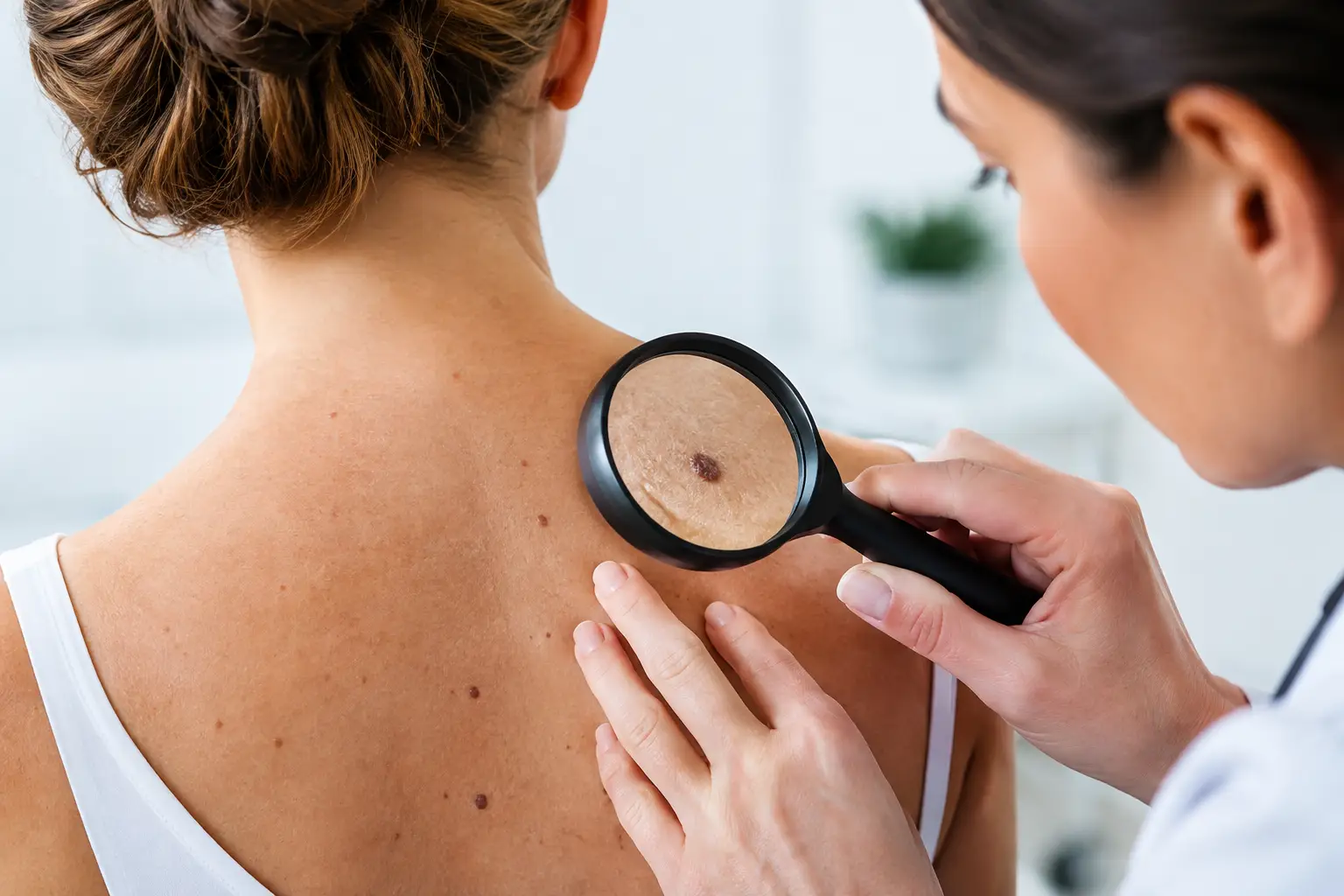

A lesion excision is often a relatively small procedure, but good preparation can make the day calmer, safer and easier to recover from. If you are wondering how to prepare for lesion excision, the most useful starting point is to understand exactly what is being removed, why it is being removed and what your individual surgical plan involves.
Skin lesions include moles, cysts, changing pigmented marks, skin tags, lumps and areas of suspected skin cancer. Some can be removed under local anaesthetic in a treatment room; others require a more involved excision, reconstruction or sedation. The preparation is therefore not identical for every patient. Your surgeon’s instructions should always take priority over general advice.
Start with a thorough consultation
The consultation is where safe lesion excision begins. Your surgeon will examine the lesion, ask how long it has been present and whether it has changed, bled, become painful, itchy or crusted. They may also ask about previous skin cancers, sun exposure, family history and medicines.
Be ready to explain any change you have noticed. A clear timeline can be more helpful than patients realise. If the lesion has altered in size, shape, colour or sensation, say when this began and whether the change was gradual or sudden. Photographs taken over time can occasionally be useful, although they do not replace a clinical assessment.
Your surgeon will discuss whether excision is appropriate, the likely scar, the type of anaesthetic and whether the specimen will be sent for laboratory examination. Sending tissue for histology is common when a diagnosis needs confirmation or a suspicious lesion is being removed. Results may affect whether any further treatment or follow-up is recommended.
This is also the right time to be open about your priorities. For a lesion on the face, scalp, chest or another visible area, scar placement and wound healing matter. However, the safest removal of a concerning lesion may sometimes require a longer scar than patients expect. A specialist will explain the balance between complete excision, accurate diagnosis and the best achievable cosmetic outcome.
Share your health information before the procedure
A full medical history helps your surgical team plan appropriately. Mention allergies, past reactions to local anaesthetic, bleeding problems, heart or lung conditions, diabetes, immune suppression, pregnancy, and any history of difficult scarring or keloid scars.
Medication review is particularly important. Blood-thinning medicines, including prescribed anticoagulants and antiplatelet medication, can increase bruising or bleeding. Some supplements may also have an effect. Do not stop aspirin, warfarin, clopidogrel, apixaban or any other prescribed medicine without clear advice from the clinician who manages it and your surgeon. Stopping certain medicines suddenly can be more dangerous than proceeding with a little extra bleeding risk.
Bring an up-to-date list of all medicines, inhalers, creams, vitamins and herbal products. If you use a topical treatment near the lesion, ask whether you should continue it before surgery. It is also helpful to tell the team about previous surgery in the same area, radiotherapy or recurrent infections, as these can influence wound healing.
Follow instructions on food, drink and anaesthetic
Many simple lesion excisions are performed under local anaesthetic. For these procedures, patients can usually eat and drink normally beforehand unless they have been given different instructions. Having a light meal and staying well hydrated can help you feel more comfortable.
If sedation or a general anaesthetic is planned, fasting rules apply. You will receive specific guidance about when to stop eating and drinking. Follow this carefully, including rules about chewing gum, sweets and milk in tea or coffee. Fasting instructions exist to reduce the risk of complications during anaesthesia, so they should not be treated as optional.
Ask in advance which anaesthetic is planned if you are unsure. Local anaesthetic numbs the treatment area while you remain awake. You may feel pressure or movement, but you should not feel sharp pain. Let the team know immediately if you are uncomfortable during the procedure. Sedation can make you drowsy and relaxed, while general anaesthetic means you will be asleep. Both involve additional preparation and recovery arrangements.
Prepare your skin and clothing
Unless advised otherwise, have a shower or wash on the morning of your procedure and arrive with clean skin. Avoid applying make-up, fake tan, moisturiser, perfume or heavy creams close to the treatment area. These can interfere with skin preparation and surgical markings.
Wear loose, comfortable clothing that does not rub against the expected dressing or pull over the treated area. A button-front or zip-front top can be particularly practical after excision on the chest, shoulder, upper arm or back. For a facial lesion, choose something easy to change out of without catching the dressing.
Do not shave the area unless your surgeon specifically asks you to. Shaving can cause tiny cuts and irritation, which may increase infection risk. The clinical team can trim hair safely if needed.
Arrange the practical details before the day
A small amount of planning prevents unnecessary stress after surgery. If your excision is under local anaesthetic and you feel well, you may be able to travel home independently. Nevertheless, it can be reassuring to have someone available, particularly if the lesion is on an area that may feel sore or restrict movement afterwards.
If you are having sedation or a general anaesthetic, arrange a responsible adult to take you home and stay with you for the period advised by your surgical team. You should not drive, operate machinery, drink alcohol, make important decisions or sign legal documents until the effects of anaesthetic medication have worn off.
Consider your work and home commitments too. An office-based role may be manageable soon after a straightforward excision, but physically demanding work, gym sessions, swimming and contact sport may need to wait. Tension across a fresh wound can cause bleeding, wound separation or a wider scar. The amount of restriction depends on the lesion’s location, the size of the excision and whether reconstruction was required.
Before attending, make sure you have:
- your medication list and relevant medical information;
- comfortable clothing and any advised support garments;
- transport arrangements if sedation or general anaesthetic is planned;
- a clear plan for avoiding strenuous activity afterwards; and
- a way to contact the practice if you have a concern once home.
Know what to expect immediately afterwards
Your surgeon or nurse will explain how to care for the wound, when the dressing can be removed or changed, and whether your stitches will dissolve or need removal. Written instructions are valuable, especially if you are anxious or have received sedation, as it is easy to forget details after a procedure.
Keep the dressing clean and dry for the timeframe you have been given. Do not assume that advice from a previous procedure applies to this one. Some wounds can be gently washed relatively early, while others need longer protection because of their location or closure method.
Mild discomfort, bruising, swelling and a small amount of spotting on the dressing can be expected. Simple pain relief may be recommended, but use only the medicines your team has advised. If you take blood-thinning medication, avoid adding over-the-counter products without checking first.
Contact your surgical team promptly if bleeding does not settle with firm pressure, pain becomes severe or increasingly uncomfortable, redness spreads, swelling rapidly worsens, the wound opens, or you develop a fever or feel unwell. These symptoms do not always mean there is a serious problem, but they should be assessed rather than ignored.
Allow the scar time to mature
A scar is an expected part of lesion excision. Early scars are often pink, firm or slightly raised before they gradually settle. This process can take many months. Protecting the healing area from sun exposure is particularly important, as ultraviolet light can darken a new scar and make it more noticeable.
Once the wound is fully healed, your surgeon may recommend moisturising, silicone-based scar care, massage or other measures depending on the site and your skin type. Do not start these treatments over an open wound unless advised to do so.
Thoughtful preparation gives you more than a smoother procedure day. It allows your surgeon to make decisions with the fullest possible picture of your health, supports careful healing and gives you confidence about when to seek help. If anything about your planned lesion excision is unclear, asking before the day of surgery is always the sensible next step.